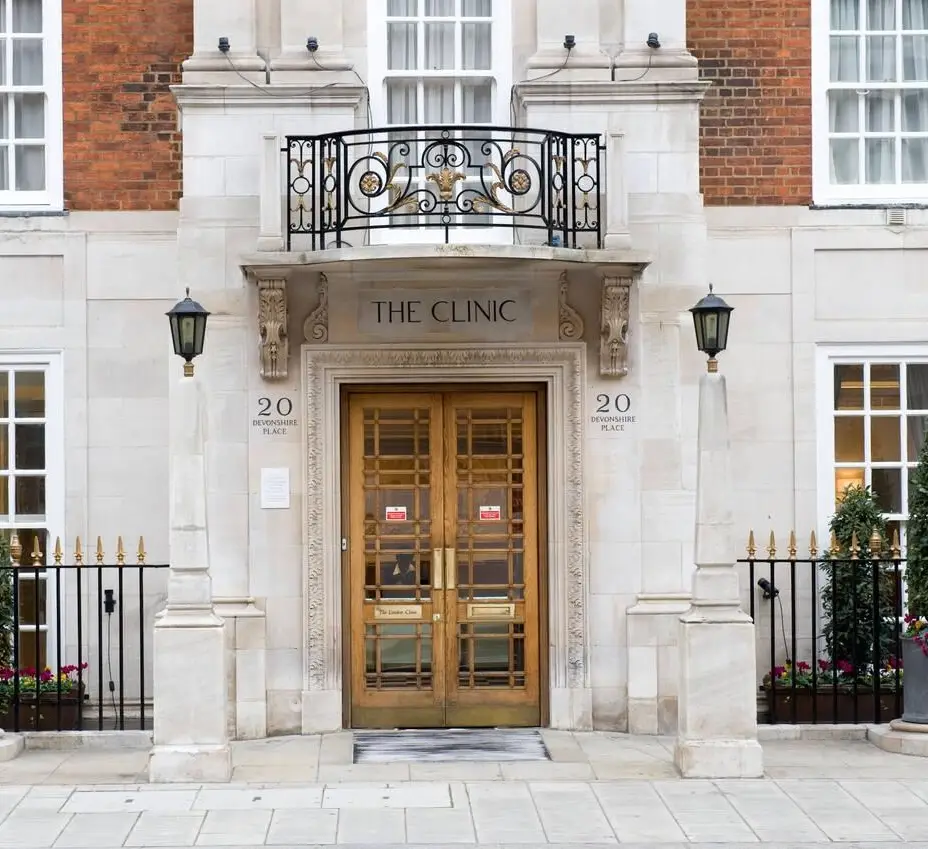


Private general practice is one of the fastest growing parts of UK healthcare. Long NHS waiting times, the convenience of same day appointments and a growing willingness to pay for faster access have created real demand for private GP services. Yet demand on its own does not fill a clinic diary. Patients can only choose a practice they can find, understand and trust, which is why marketing has become a core part of running a successful private GP practice rather than an optional extra.
This guide explains how to market a private GP practice in the UK in a way that is ethical, compliant and genuinely effective. It covers the foundations of a converting website, local and organic search, paid media, reputation, retention and the newer question of how your practice appears inside AI powered search tools. The aim is a predictable flow of suitable patients rather than a short lived spike in enquiries.
Understand your patients before you spend a penny
The most common mistake private GP practices make is to start with tactics, such as a new logo or a paid advertising campaign, before they understand who they are trying to reach. Private GP patients are not one single group. A busy professional who wants a same day appointment near the office has very different priorities from a family booking childhood vaccinations, or an older patient seeking an unhurried health assessment. Each group searches differently, values different things and responds to different messages.
Before committing budget, map your two or three most valuable patient types. For each one, note the problem that prompts them to look for private care, the questions they ask, the alternatives they consider and the practical concerns that might stop them booking, such as price, location or parking. This simple exercise makes every later decision easier, from the words on your homepage to the keywords you target and the channels you choose.
- The trigger: what prompts the search, for example a long NHS wait or a need for a quick medical certificate.
- The journey: whether they want a one off appointment or an ongoing relationship with a named doctor.
- The deciding factors: speed, location, continuity of care, reputation and clarity on price.
- The barriers: uncertainty about cost, doubts about quality and a lack of trust in unfamiliar providers.
Build a website that turns visitors into booked appointments
Your website is the hub of all your marketing. Every other channel, whether search, social or referral, ultimately sends people there to make a decision. A private GP website should load quickly, work flawlessly on a phone and make the next step obvious. Most patients now research healthcare on mobile, so a site that is slow or awkward on a small screen quietly loses enquiries every day.
Clarity matters more than cleverness. Within a few seconds, a visitor should understand what you offer, where you are, roughly what it costs and how to book. Hiding prices tends to increase anxiety rather than enquiries, so publishing clear fees, or at least a transparent range, builds trust and filters out people who were never going to proceed. Strong, visible calls to action, online booking and a phone number that is easy to find all reduce the friction between interest and a confirmed appointment.
The trust signals private patients look for
Because private healthcare is a considered, sometimes anxious purchase, trust signals do a great deal of the persuasion. Named doctors with photographs, GMC numbers and genuine biographies reassure patients that real, qualified clinicians stand behind the service. Recognisable logos, such as the Care Quality Commission registration and any insurer recognition, add credibility. Honest patient reviews, clear contact details and a professional, calm design all signal that the practice is established and safe to choose.
- Named, GMC registered doctors with photos and concise, human biographies.
- Care Quality Commission registration and any relevant professional memberships displayed clearly.
- Transparent pricing or honest price ranges for common appointments and services.
- Authentic patient reviews and easy to find contact and location details.
- Fast, mobile friendly pages with simple online booking.
Win local and organic search
When someone searches for a private GP near me, or a private doctor in their town, you want your practice to appear at the top of both the map results and the ordinary listings. Local search visibility is one of the highest value investments a private GP practice can make, because the people searching are usually ready to book rather than simply browsing.
A fully completed and regularly updated Google Business Profile is the foundation. Accurate opening hours, the correct address, your services, photographs and a steady stream of genuine reviews all strengthen your position in local results. Beyond the profile, consistent business information across reputable directories, a page for each main service and content that answers real patient questions help you rank for the organic listings that sit beneath the map.
Practical local SEO steps
- Claim, verify and fully complete your Google Business Profile with services, hours and photographs.
- Encourage satisfied patients to leave honest reviews, then reply to every one professionally.
- Create a dedicated, well written page for each core service such as same day GP appointments or health screening.
- Keep your name, address and phone number identical across your website and every directory.
- Publish helpful articles that answer the questions your patients actually ask before booking.
For more on this discipline, see our local SEO support.
Use paid media to fill gaps, not to paper over a weak website
Paid search and paid social can deliver enquiries quickly, which is useful when a practice is new or wants to grow a particular service. In private healthcare, costs per click can be high, with private GP related terms often commanding several pounds per click and competitive treatments far more. That makes precision essential. Tightly themed campaigns, sensible geographic targeting and landing pages that match the advert will always outperform broad, untargeted spending.
It is important to be realistic about what advertising can and cannot do. Paid media sends traffic, but your website, pricing and reputation decide whether that traffic converts. Spending heavily to drive visitors to a confusing or slow site simply wastes money. Fix the foundations first, then use paid media to accelerate growth where the underlying experience is already strong.
Earn and manage your reputation
For private GP practices, reputation is often the single biggest factor in a patient’s decision. Prospective patients read reviews carefully and weigh both the overall rating and how the practice responds to feedback. A strong, recent and steady stream of positive reviews improves both your search ranking and the patient’s confidence to call. Reputation management is therefore an ongoing discipline rather than a one off task.
Make it easy and routine to ask happy patients for a review, ideally soon after a good experience. Respond to every review, positive or negative, in a calm, professional and confidential manner that never discloses any patient information. Handled well, even a critical review can demonstrate that the practice listens and cares, which often reassures future patients more than a flawless record would.
Keep the patients you already have
Acquiring a new private patient is far more expensive than retaining an existing one, so retention deserves as much attention as acquisition. Patients who return for repeat appointments, health reviews and ongoing care are more profitable and more likely to recommend you to friends and family. Thoughtful follow up, sensible appointment reminders and a genuinely caring experience turn a single visit into a lasting relationship.
- Send helpful, consent based reminders for follow ups, screening and seasonal services such as flu vaccination.
- Make rebooking effortless, both online and by phone.
- Offer a consistently warm, unhurried experience that patients want to return to and recommend.
- Stay in touch with useful health information rather than constant selling.
Be visible inside AI search, not just Google
A growing number of patients now ask AI assistants and chat based search tools for recommendations, such as where to find a good private GP in a particular city. These tools summarise and cite sources rather than simply listing links, which means practices that publish clear, factual, well structured content are far more likely to be mentioned. This is an emerging point of difference that most clinics have not yet addressed.
To improve your visibility in AI driven search, write content that answers patient questions directly and unambiguously, keep your practice details consistent everywhere online and make sure your services, locations and credentials are stated in plain language. Practices that get this right early are building an advantage that will compound as AI search continues to grow.
How Pulse Digital Health can help
Pulse Digital Health is a UK healthcare marketing agency that works exclusively with private clinics, consultants and medical practices. We help private GP practices attract more of the right patients through compliant, conversion focused websites, local and organic search, carefully managed paid media, reputation management and AI search visibility. Every recommendation is grounded in the realities of UK private healthcare and the standards your practice must uphold.
If you want a clear, measurable plan to grow your private GP practice, we would be glad to help you build it.
Measure what matters and improve over time
Marketing a private GP practice well depends on measuring the right things rather than vanity metrics such as raw website visits. The figures that genuinely matter are the number of qualified enquiries, the proportion of enquiries that become booked appointments, the cost of acquiring each new patient and the lifetime value of those patients once they return for further care. When you track these numbers consistently, marketing stops being a guessing game and becomes a controllable engine for growth.
Set up reliable tracking from the start, so you can see which channels deliver patients rather than just clicks. Phone calls, online bookings and contact form submissions should all be recorded and attributed to a source where possible. Over time, this data tells you exactly where to invest more and where to cut back, and it gives you an honest basis for deciding whether to increase or reduce spending on any single channel.
- Cost per enquiry and cost per booked patient, broken down by channel.
- Conversion rate from enquiry to appointment, which reveals how persuasive your practice is.
- Patient lifetime value, which justifies sensible spending to acquire the right patients.
- Review volume and average rating, tracked month by month as a reputation health check.
Stay compliant and protect your professional standing
Healthcare marketing carries responsibilities that ordinary advertising does not. As a private GP practice, your marketing must be truthful, must not exploit patients’ fears and must respect the standards expected of registered doctors as well as the rules that govern advertising. Claims about outcomes should be accurate and supportable, testimonials must be genuine and any content touching on health must be responsible and balanced.
Treating compliance as a feature rather than a constraint actually strengthens your marketing. Patients are reassured by a practice that is careful, transparent and clearly professional. By keeping your messaging honest, your pricing clear and your claims defensible, you build a reputation that supports growth for years rather than risking the trust that private healthcare depends upon.
Frequently asked questions
1. How much should a private GP practice spend on marketing?
There is no single figure, because it depends on your location, your goals and how competitive your area is. A more useful approach is to start with a clear strategy, measure the cost of acquiring each new patient and invest more in the channels that bring suitable patients at a sustainable cost.
2. How long does it take to see results?
Paid media can generate enquiries within days, while search and reputation building typically take a few months to gain momentum. The strongest results come from combining quick wins with steady, long term improvements to your website, content and reviews.
3. Is it appropriate for doctors to advertise?
Yes, provided the marketing is honest, accurate and respects professional standards and advertising rules. Ethical marketing simply helps patients who need care to find a qualified, trustworthy practice, which is firmly in the public interest.
Strengthening your search visibility
To make sure this page is found by the right audience, it is worth weaving in the terms people actually search for. Strong private gp marketing depends on clear, relevant content that answers real questions. Investing in medical practice marketing helps the right patients discover the practice at the moment they are looking. A considered approach to clinic marketing ties everything together and supports steady, compliant growth.
What the search data tells us
Live search data shows real UK demand worth targeting on this page. Many people search for medical practice marketing agency, and ranking well for that intent depends on content that matches what they are looking for. Related demand around clinic marketing company reinforces the same opportunity, so the page is written to answer those queries clearly.