Orthopaedic Marketing Agency for Joint, Spine and Sports Injury Clinics
Pulse Digital Health is an orthopaedic marketing agency for private clinics and consultant practices. A patient with a painful hip or knee searches for answers first: what is wrong, what surgery involves, what it costs and how long the wait will be. We build the pages, search presence and enquiry handling that answer those questions plainly and within UK advertising rules.
Trusted by
About Us
A Specialist Orthopaedic Marketing Agency Built Around the Consultant
Most private orthopaedic patients arrive by one of three routes: a GP or physiotherapist referral, an insurer authorisation, or a self-pay enquiry after a long NHS wait. Each route needs its own message. Insured patients check that the consultant is recognised by their insurer. Self-pay patients want fees explained clearly. Referrers want to know how quickly their patient will be seen. The referrer side overlaps with physiotherapy and rehabilitation clinics, so we plan both together.
Your competition is the NHS waiting list, large hospital groups and other independent consultants. Smaller clinics rarely win on scale. They win on specifics: a named surgeon, a described first appointment, honest recovery timelines and fees set out before anyone has to ask. Outcome figures, before and after material and patient stories fall under the ASA and CAP Code and GMC advertising guidance, so check specifics with your regulator or legal adviser.
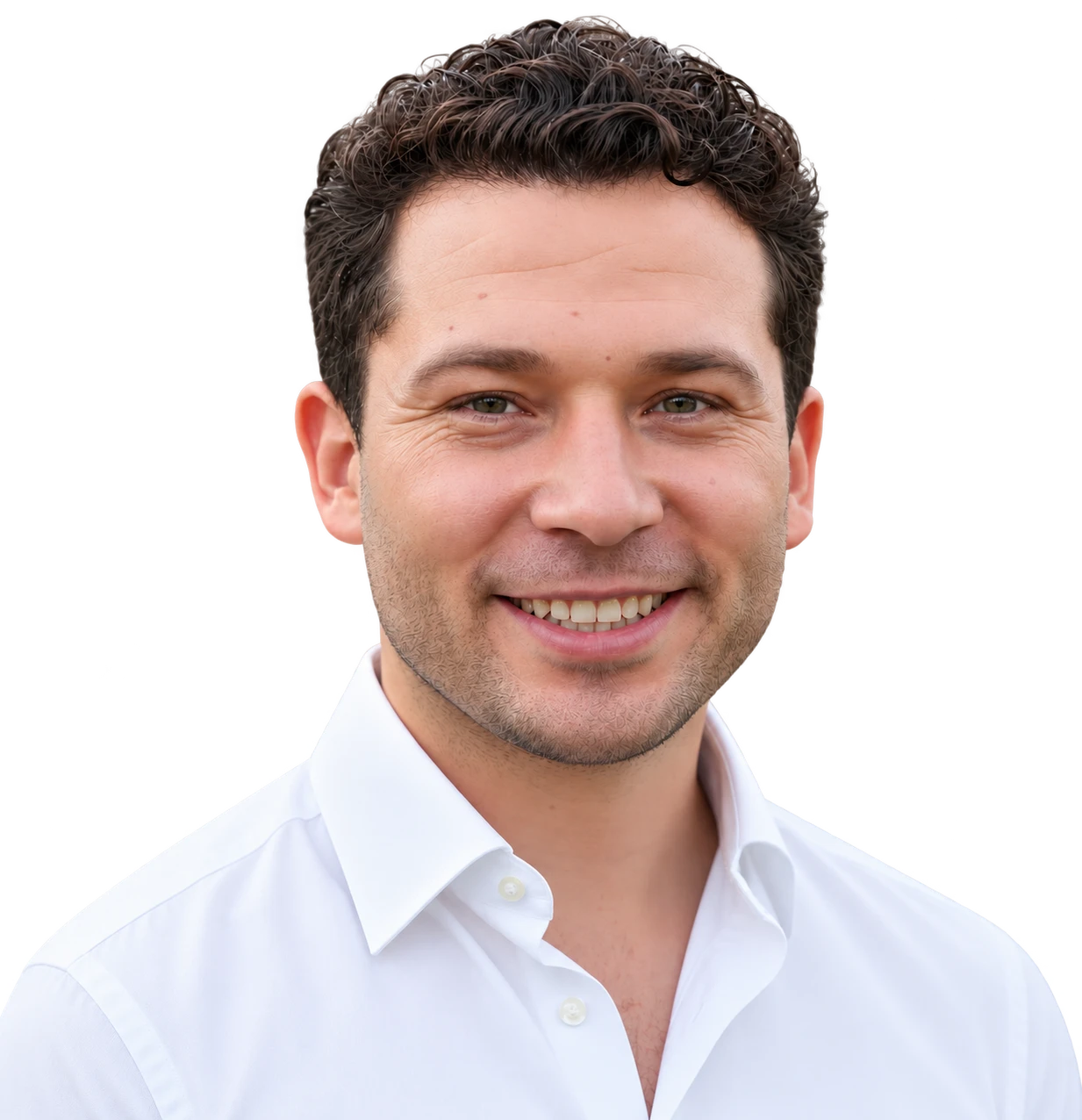
Marin BarganFounder
Case Study
Our closest published work in this specialty.
We only show work we have done. This study is the nearest match to this page from our published case studies, with the data source and date range for every figure.
Harley Street · Diagnostics centre
UME Health
Client
Private outpatient and diagnostics centre with dozens of visiting consultants
Specialty
Diagnostic imaging, cardiology, ENT, orthopaedics, gastroenterology and health assessments
Result
Harley Street diagnostics centre SEO: 119 pages in Google's top 10 and average position from 20.0 to 9.9 (Google Search Console, March 2025 to July 2026).
These are search visibility figures, not patient numbers.
Orthopaedic Marketing Rules: Fees, PHIN and Outcome Claims
Last updated 1 November 2026
Orthopaedic patients compare surgeons more than clinics, and they increasingly compare published data. That makes accuracy and consistency the core of orthopaedic marketing.
Outcomes. Statements such as "99% success" or "back to sport in six weeks" need evidence under CAP Code section 12. If you publish outcomes, explain the measure, the time period and the number of patients.
Registration. Surgical procedures and diagnostic imaging are CQC regulated activities in England; say which hospital you operate in and link to its registration.
Professional standards. Surgeons follow GMC guidance on honesty in information about services.
Confirm the specifics with your adviser or the relevant regulator.
How Patients Find a Private Orthopaedic Surgeon
Orthopaedic search starts with pain or a diagnosis ("knee pain when climbing stairs", "torn meniscus surgery", "hip replacement private cost") and ends with a name. Insured patients often receive a short list from their insurer and then search each surgeon. Self-pay patients, many waiting for NHS surgery, search for cost and speed. Sport-related searches ("ACL reconstruction surgeon", "shoulder dislocation specialist") come from younger, active patients who also look at rehab plans.
Funding: insurer recognition or self-pay package with inclusions.
Consultation: imaging needs, what to bring, consultation fee.
Surgery and rehab: hospital stay, physiotherapy plan, follow-up.
Common problems we fix on orthopaedic websites
Recovery timelines stated as facts, such as walking unaided in two weeks, without saying they vary with age, fitness and procedure.
Self-pay package pages that omit implants, physiotherapy or follow-up imaging, which then surface as extra costs.
Consultant biographies that list every procedure equally, so patients cannot see the surgeon's real subspecialty interest.
No information for GPs and physiotherapists on how to refer or what imaging to send.
MRI and X-ray requirements left unexplained, so patients arrive at a first consultation without the imaging the surgeon needs to give an opinion.
Sports injury pages that talk only about surgery, when many patients first want to know whether rehabilitation alone could work for them.
Worked example: a knee surgeon growing self-pay referrals
An illustration of approach, not a client result.
A consultant knee surgeon wants more self-pay patients for arthroscopy and replacement. We would align fee pages with PHIN, publish a self-pay package page listing what is included, and write condition pages on meniscal tears, arthritis and ligament injury with the surgeon. A page for physiotherapists and GPs explains referral and imaging. Local search targets the hospital's town plus "knee surgeon". Reporting tracks consultations by route. Our SEO packages start at £1,000 per month for solo and individual doctors; see healthcare marketing pricing.
What Patients and Regulators Expect From Orthopaedic Marketing
Orthopaedic patients usually want to know when surgery is, and is not, the next step. The NHS page on osteoarthritis treatment, last reviewed on 20 March 2023, says exercise is one of the most important treatments, that surgery is only needed in a small number of cases where other treatments have not been effective, and that if you need surgery your GP will refer you to an orthopaedic surgeon. It adds that surgery cannot be guaranteed to get rid of symptoms altogether. Procedure pages should be written to the same standard of balance.
Back and spine pages should start with reassurance and red flags. The NHS page on back pain, last reviewed on 5 March 2026, says back pain, particularly lower back pain, is very common and usually improves within a few weeks but can sometimes last longer or keep coming back. Spine clinic pages can acknowledge this before describing assessment options.
Surgeon and implant information is also public. The National Joint Registry states that a total of 278,457 joint procedures were submitted onto the registry during the calendar year 2025 for its 2026 annual report, and it publishes a Surgeon and Hospital Profile website. Consultant profile pages should be accurate enough to stand beside that public record.
On advertising, rule 12.12 of CAP Code section 12 states that prescription-only medicines or prescription-only medical treatments may not be advertised to the public, so injection and medicine references on joint pages need compliance review.
For your website, this means balanced treatment pathways, accurate consultant profiles and no outcome promises, which supports patient trust but does not guarantee search visibility.
How We Help
How We Market Orthopaedic Surgeons and Clinics
Discover
We find where patients lose the thread
We start with how people actually search: symptom terms, procedure terms and cost terms. We map which consultants and procedures appear for each, then check insurer recognition, referrer links and enquiry handling. The output is a short list of gaps, ranked by how close they sit to a booked consultation.
Build
We build consultant and procedure pages that answer in full
Each consultant gets a profile with qualifications, specialist interests and GMC registration details. Each procedure gets a page covering who it may suit, what the first appointment involves, recovery in general terms and how fees are explained.
Forms, call tracking and your practice system are joined up so we can see which source led to a consultation.
Grow
We keep the pipeline moving after launch
Paid search covers high-intent procedure and consultant terms while organic content builds. We review enquiry quality with your team each month, move spend towards the pathways that convert, and update pages when consultants, fees or insurer arrangements change.
Services That
Orthopaedic Marketing Services for Private Practice
Pulse Digital Health offers a full set of digital marketing services for healthcare clinics. They work together to guide patients from online search to appointment.
Real clinics, consultants and healthcare groups trust us with their growth. Here is what they say about working with the Pulse Digital Health team.
Marin and the team at Pulse Digital Health have been instrumental in supporting Gentle Procedures UK as we establish and grow the brand in the UK market. From the outset, Marin has demonstrated a clear understanding of our vision and has worked collaboratively with us to bring this to life. His approach is proactive, structured, and highly knowledgeable, particularly in areas such as SEO, digital strategy, and brand positioning within healthcare. He communicates clearly, keeps projects moving forward, and consistently provides practical guidance that adds real value. What stands out most is his ability to translate complex digital concepts into clear, actionable steps, making the process straightforward and efficient. The quality of work delivered has been excellent, and we feel confident in the direction and growth of our brand as a result. We would highly recommend Marin and Pulse Digital Health to any healthcare organisation looking to build or scale their digital presence.
I just want to say a massive thank you to Marin and his team at Pulse Digital Health. I've worked with multiple marketing agencies in the past, and I can confidently say that Marin is the most responsive, expert and generally fun person to work with that I have experienced. In particular, he is a complete expert at developing websites that actually work rather than just look pretty. He is also extremely organised in his approach to SEO and it is already getting results. I never have to chase him as he delivers on time, which in itself is a godsend. I look forward to our meetings each time, always interesting, always moving forward, always positive. I have no hesitation in recommending his services. An expert, always on time, fun to work with.
Working with Marin and his team has been a pleasure. Marin took the time to understand our brand, goals, and audience, to help deliver content to bring awareness to our clinic and strengthen trust in our services. Since working with them, we've seen a noticeable increase in overall online visibility. The team's professionalism, creativity, and responsiveness set them apart.
Marin and his team have been fantastic from the start. They completely understand my vision for my professional website and proactively anticipate the next steps to ensure its success. Their professionalism and accuracy are exceptional, and I highly recommend their services.
Don't hesitate to reach out if you have any questions. Contact us today.
01How do patients choose a private orthopaedic surgeon?
Most start with a symptom search, then look for a named consultant. They check qualifications, GMC registration, hospital affiliations and insurer recognition, then read how the first appointment works. Fee clarity matters for self-pay patients.
Your site should carry each of these on the consultant page rather than expecting patients to phone for them.
02Should the website promote the clinic or each consultant?
Both. Patients often search for a consultant by name once referred, while symptom and procedure searches land on the clinic. We build individual consultant pages inside a clinic structure so each surgeon can be found and the clinic still ranks for the procedures it offers.
Consultants should approve their own profile content before it goes live.
03Can we publish our knee or hip replacement outcomes?
Only with care. Outcome statistics, success rates and comparisons are health claims under the ASA and CAP Code, and you need evidence you can produce on request. GMC guidance also expects advertising to be accurate and not to exploit patients' lack of knowledge.
Check specifics with your regulator or legal adviser before publishing figures or before and after material.
04How should we talk about NHS waiting lists?
Describe what you can offer without disparaging the NHS: appointment availability, how soon assessment happens and what the fee covers. Avoid promising specific dates unless you can honour them.
Patients tend to respond better to a calm, factual comparison of pathways than a sales push, and it keeps your claims easier to substantiate.
05How do insured and self-pay patients differ online?
Insured patients search for their insurer's name alongside a procedure or consultant, and need to understand authorisation steps. Self-pay patients search for cost and finance. We create separate landing routes so each group sees the right information, and track enquiries by route so you can see which brings consultations.
06Do you cover GP and physiotherapist referrer marketing?
Yes. Referrers need to know which conditions you treat, how to refer and how quickly patients are seen. We build a referral page and a simple pack, and log referral enquiries separately from patient ones. Outreach to GPs and physiotherapists should follow data protection and marketing consent rules.
If orthopaedic marketing is not the right fit for your clinic, we will say so.
08Which regulators apply to orthopaedic marketing?
The ASA applies the CAP Code to claims about outcomes and recovery, the CQC registers the hospitals and clinics where surgery and imaging take place, and surgeons follow GMC guidance. Under the CMA order consultants must give fee information to PHIN. Confirm specifics with your adviser.
09What are the most valuable keywords for an orthopaedic practice?
Procedure and condition terms with private intent, such as knee replacement, ACL reconstruction, meniscus surgery or shoulder surgeon, usually with a town or the words private and cost. Surgeon-name searches matter because insured patients research each name on their list.
10Do all patients with osteoarthritis need surgery?
No. The NHS says exercise is one of the most important treatments for osteoarthritis and that surgery is only needed in a small number of cases where other treatments have not been effective.
Clinic pages should present surgery as one option decided after assessment, and should not promise that it will remove symptoms altogether.