
Consent first
Advertising tags should only fire after a visitor agrees in your cookie banner. We check the banner, tag manager and consent mode before any audience is created.
Healthcare Retargeting Ads, United Kingdom
Reignite patient interest, within the rules
Trusted by


Healthcare retargeting shows ads to people who have already visited a clinic website or engaged with its content. In healthcare it is tightly limited: Google does not allow health advertisers to use their own remarketing lists, cookie consent is required under PECR, and an ad that reveals someone's condition can do real harm. Done carefully, it reminds interested people of the next step.
Key facts
Paid media services
Retargeting Ads bring back the ones who almost chose you, reminding potential patients of your services and turning missed clicks into meaningful conversions.
 Paid Media (PPC) Maximise patient reach with expert healthcare paid media services and PPC campaigns. Pulse Digital Health delivers highly targeted campaigns on search channels.
 Google Ads Looking to grow your healthcare practice? Pulse Digital Health delivers expert Google Ads services that brings leads, and maximises ad spend efficiency. Book a consult today.
 ChatGPT Ads Pulse Digital Health builds compliant ChatGPT advertising campaigns that put your clinic in front of patients already asking AI for care. Book a consult today.
 Facebook Advertising Strategic Facebook advertising for healthcare providers. Engage patients, stay compliant, drive real results and growth with Pulse Digital Health. Book a consult today.
 Instagram Advertising Promote your clinic on Instagram with Pulse Digital Health. We create targeted, compliant ad campaigns that convert. Get started with a free consultation.
 LinkedIn Advertising Reach healthcare professionals and decision-makers with precision LinkedIn ads. Pulse Digital Health drives qualified leads and brand growth.
 Display Advertising Build a stronger online presence through healthcare display advertising. Pulse Digital Health designs and manages ads that convert. Start your campaign today.
 YouTube Advertising Bring your healthcare brand to life on YouTube. Pulse Digital Health delivers video ad strategies for patient engagement - book a session today.
Where clinic retargeting goes wrong
Following someone with an ad for vasectomy or STI testing can reveal private health information to anyone looking at their screen.
Advertising cookies set before a visitor agrees break PECR, and the clinic, not the platform, is responsible.
Health remarketing lists are not supported for sensitive categories, so campaigns get disapproved or quietly limited.
Without a frequency cap, retargeting turns a warm visitor into an annoyed one.
We only work in private healthcare: 40+ UK private clinics, consultants and medical groups, and nothing else. No e-commerce, no restaurants, no property. Every page we publish is written against the CAP code, the GMC and GDC advertising guidance and your CQC registration requirements, because the alternative is a website that costs you a complaint rather than a patient.
Our Way of Working
We start by asking whether retargeting is allowed and appropriate for each treatment. Where it is, we build consented audiences, neutral creative and strict frequency caps. Where it is not, we use contextual or email follow-up instead. Fees are quoted after a call; see healthcare marketing pricing.
We list each treatment against Google, Meta and LinkedIn rules and your consent setup before any audience is built.
Retargeting ads name the clinic and the next step, not the condition, so nothing private shows on a shared screen.
Targeting, creative and compliance
Retargeting rules differ by platform and change often. This is the starting position we check for each clinic.
| Platform | What the policy says | What we do instead or as well |
|---|---|---|
| Google Ads (search, display, YouTube) | Ads in sensitive interest categories such as health cannot use advertiser-curated audiences, and your data segments are not supported (Google's personalised advertising policy). | Contextual and location targeting, predefined Google segments and brand search. |
| Meta (Facebook and Instagram) | Meta removed detailed targeting options relating to health topics from January 2022 (Meta's announcement on removing sensitive targeting options). | Broad or location targeting with neutral creative, and only consented website audiences. |
| Ads must not target based on sensitive data, including health data (LinkedIn advertising policies). | Professional audiences only, for referrer or corporate campaigns. | |
| Email and SMS | Marketing messages need valid consent or a soft opt-in under PECR (ICO guidance on PECR). | Consent-based follow-up for enquiries that did not book. |
Advertising tags should only fire after a visitor agrees in your cookie banner. We check the banner, tag manager and consent mode before any audience is created.
We write retargeting ads around the clinic, the clinician and booking, never the condition. Frequency caps keep exposure low, and audiences expire after a short window.
Retargeting often takes credit for bookings that would have happened anyway. We compare against bookings and, where volume allows, hold-out tests.
This is general information, not legal advice. Platform policies change, so confirm specifics with your regulator or adviser and check the current policy before a campaign goes live.
Process
Retargeting ads show a message to people who have already visited the website, so the rules on what an ad may say matter as much as the bidding. This section sets out a typical campaign timeline, the audience decisions we make and the faults we check for. No outcome is promised.
We build audiences from pages a visitor has seen, such as a treatment page or a booking page. We do not build audiences around health conditions or sensitive pages that would imply something about a visitor's health.
Each retargeting ad is labelled as an advert, following the ASA's guidance that labels should explicitly call out the content as advertising (ASA, recognising ads on social media, dated 6 August 2026). Messages describe the service, not outcomes. Where a claim concerns sensations or treatment effects, the ASA says a testimonial is likely to be acceptable evidence, so the clinic keeps its records (ASA, health therapies and references to medical conditions, dated 1 September 2022).
We launch with a small set of ads, check that the enquiry and booking events fire on the right page, and compare cost per enquiry with the clinic's other channels before the budget rises.
We report by audience, creative and landing page, with the share of enquiries that became consultations.
Common faults are an ad that repeats a condition back to the visitor, a frequency cap set too high, and a booking page that breaks on mobile. Prescription-only medicines cannot be advertised to the public (rule 12.12), so an ad for a medicine-based treatment is checked before it runs (ASA, prescription-only medicine advice). Landing page fixes come first; see healthcare website maintenance.
For the same audience idea on other platforms, see healthcare Instagram advertising and healthcare paid media.
Case Studies
At Pulse Digital Health, we're proud to partner with clinics and healthcare brands that trust us with their digital journey. Every project shows how patient-focused strategy is applied to a real clinic.

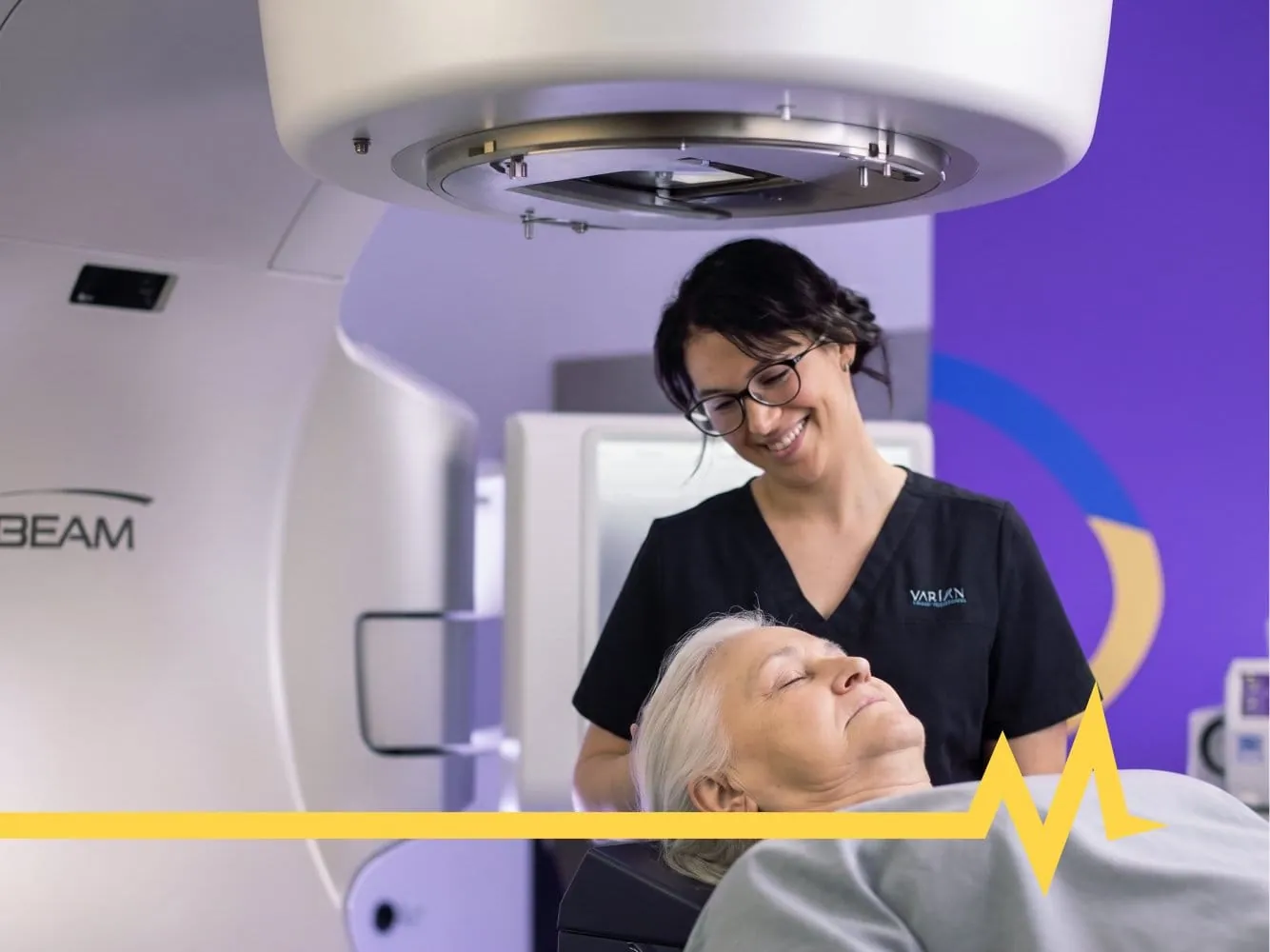


Website rebuild and healthcare SEO.
View All Our Case StudiesCompliance
Answers About Our Retargeting Ads Services
The things clinics ask us most about retargeting ads. Anything we haven't covered? Send us a note.
Retargeting ads reconnect your healthcare practice with people who previously visited your website but didn't enquire. We use behaviour signals to display relevant reminders across different platforms. Beyond this, our specialists tailor messaging to reinforce trust and encourage action. This approach guides warm audiences back to your services, improving conversions and supporting stronger patient acquisition across multiple clinical categories.
Retargeting campaigns can be used when someone visits your website, views specific pages, or engages with your content. Our experts deploy them after key patient interactions to maintain visibility. Plus, the team at our agency has adapted timing based on intent signals and service type. This strategy keeps your healthcare practice present during decision-making, helping potential patients return and complete necessary enquiries confidently.
Effective healthcare retargeting commonly takes place on Google, Facebook, Instagram, and selected display networks. Our professionals choose platforms based on patient behaviour and each service's needs. As the next step, we review audience patterns to refine placement. These channels allow targeted reminders that feel natural and timely. Using multiple platforms helps strengthen recall and encourages hesitant patients to re-engage with your practice.
Retargeting campaigns are updated regularly because audience behaviour shifts over time. We review performance weekly and refine creatives, frequency, and targeting settings. On top of that, our experts replace underperforming ads with fresh variations to prevent fatigue. This ongoing optimisation keeps messaging relevant and effective. Regular adjustments ensure patients continue receiving meaningful reminders that support enquiries across different stages of their healthcare journey.
Retargeting ads help healthcare organisations re-engage warm audiences who have already shown interest. We use tailored messaging to reinforce trust and encourage action without overwhelming patients. Alongside this, our agency monitors behaviour to identify effective touchpoints. This approach improves conversion rates, strengthens recall, and reduces wasted spend. Retargeting ensures your services remain visible when potential patients reconsider their healthcare decisions online.
Explore more
Whether you want more enquiries, a fuller diary or more self-pay patients, tell us where you are now. We'll reply with honest next steps on patient acquisition for your specialty.
Thank you
We'll be in touch within 48 hours to talk through how to grow your practice.
Cookies
We use Google Analytics to see which pages help visitors. With your permission we also use Microsoft Clarity and advertising tags from Microsoft and OpenAI to measure our ads. Cookie policy
Thanks for booking your free discovery call. A calendar invite and confirmation email are on their way. If you need a different time, use the link in that email.
Before we speak, you might like to look at the results we've published for other private clinics.
