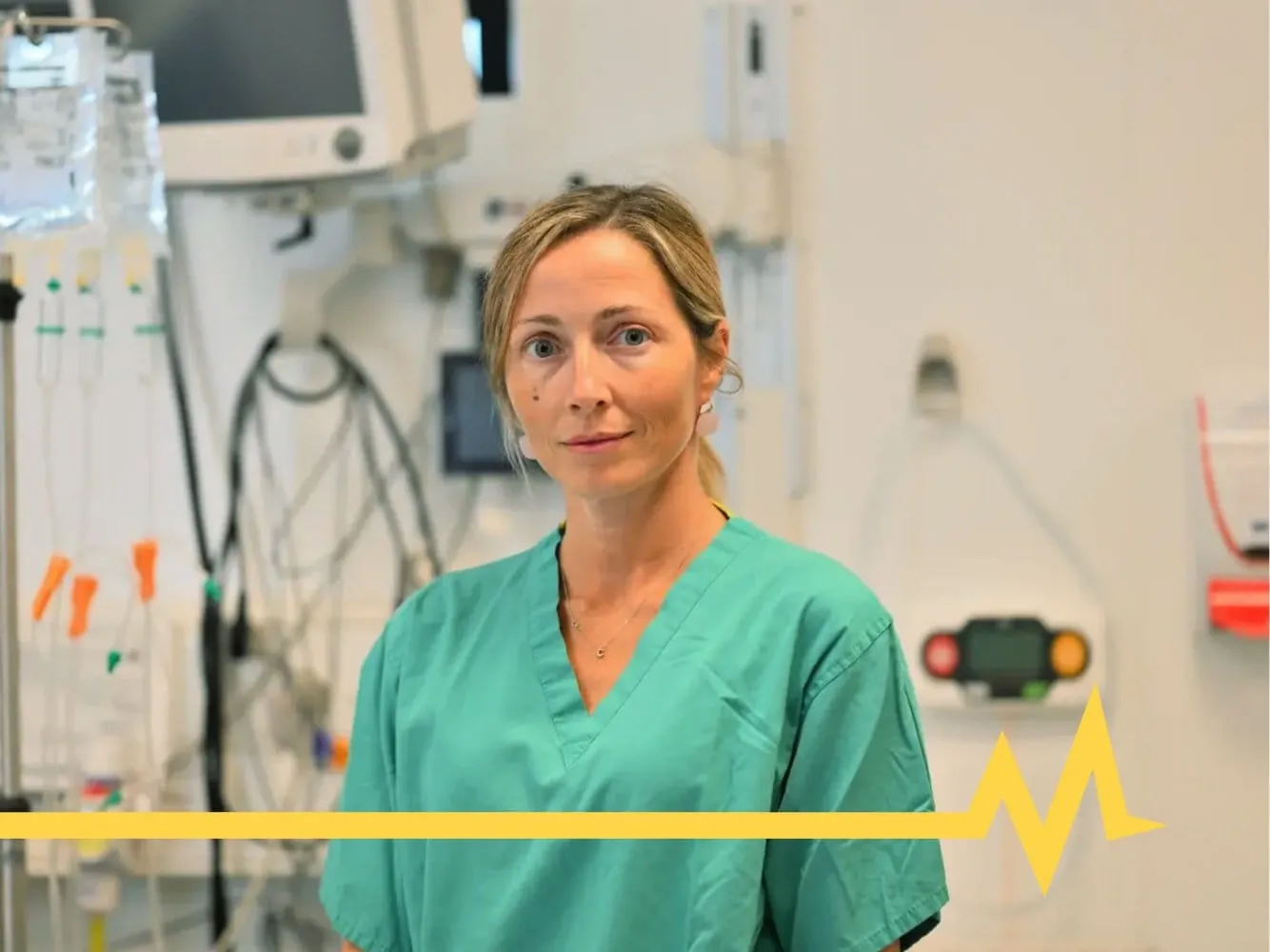
Private cancer centre marketing speaks to people at the hardest moment of their lives, and to the referrers and insurers who guide them. We help UK centres present their teams, services and pathways clearly and gently, with no outcome claims.
Some centres are newly established and building their first private patient pipeline. Others are established and manage complex multidisciplinary caseloads. For both, we build marketing that meets these patients with clinical precision, reassurance and a clear path to booking.
Trusted by
About Us
Specialist Marketing Partners for Cancer Centres
A person with a new diagnosis is rarely choosing alone. A consultant, GP or insurer often shapes the route, while family members research in parallel and ask for second opinions. They want to know who will lead the care, which specialists form the multidisciplinary team, what treatments are available on site and how quickly an appointment can happen. We build pages that answer these questions without drama and let the clinicians speak.
This is among the most regulated areas of health communication. The CAP Code restricts claims to treat or cure serious conditions such as cancer, and the ASA acts on misleading claims about outcomes. Centres need CQC registration, and clinicians should be visible on the relevant professional registers. Advertising experimental or unproven treatments needs particular caution. We build healthcare SEO, local profiles and website design and development within those limits. Check specifics with your regulator or legal adviser.
Patients reach private cancer centres through insurers, GP or consultant referral, second-opinion requests and self-funding. Insurers commonly need pre-authorisation, and families often do not know this. Pulse Digital Health helps you explain the funding conversation, who the patient coordinator is and what happens at the first visit, so a frightened person finds a human route quickly. We also help referrers see what your centre offers.
Marin BarganFounder
Case Study
Our closest published work in this specialty.
We only show work we have done. This study is the nearest match to this page from our published case studies, with the data source and date range for every figure.
Surrey and London · Clinical oncology
Dr Carla Perna
Client
Independent consultant-led private practice
Specialty
Clinical oncology: prostate, testicular and renal cancer
Result
Consultant oncologist SEO: from no search footprint to 889,720 impressions and 162 AI citations in 9 months (Google Search Console and Semrush, 2025 to 2026).
These are search visibility figures, not patient numbers.
How We Help Cancer Centres Support Patients Within the Cancer Act
Discover
We map referrers, insurers and patient questions
We list the cancers and treatments you provide, the specialists who lead them, the facilities on site and how appointments are made. We then map who refers: GPs, consultants, insurers and families seeking second opinions. We review current wording against CAP rules on serious conditions and note where outcome language needs removing.
Calls, forms and patient coordinators are part of the audit, since the first contact shapes trust.
Build
We build pages around people and pathways
Service pages describe what each treatment involves in general terms, who the team is, how decisions are made together and what support is available during care. Specialist profiles show registration and interests. A first-visit page explains the steps, insurer pre-authorisation and fees.
A referrer page offers clear contact details, turnaround times and how results are shared.
Grow
We make the centre visible to those who need it
We improve local and service search, ensure accurate listings and build relationships with referrers through content and outreach. Paid media, where used, avoids claims and targets carefully. We measure enquiries, appointments and referral source quality. Reports are gentle in tone and clear in numbers, and we stop any activity your clinical team feels is inappropriate.
Cancer centre marketing guide
Last updated 1 November 2026
Cancer Centre Advertising Rules: The Cancer Act 1939 and Health Claims
Section 4 of the Cancer Act 1939 makes it an offence to publish an advertisement offering to treat cancer, prescribe a remedy for it or give advice about its treatment, with defences for material aimed at doctors, nurses, pharmacists and similar professionals. The ASA notes that it refers Cancer Act concerns elsewhere because the law goes beyond its remit. Cancer centres should take legal advice on how service information is framed.
CAP Code rules on health claims still apply. Testimonials cannot make claims you could not make directly. CQC registration and GMC registration of consultants are essential trust signals.
How Patients Research Cancer Centres
Most patients arrive after diagnosis:
"private cancer treatment" and "cancer second opinion"
"oncologist near me"
"what to expect from chemotherapy"
"does my insurance cover cancer"
"cancer support services"
Informational content for people already diagnosed is the most valuable.
What a Cancer Centre Website Should Include
Patients and families need detail:
Consultant profiles and multidisciplinary teams.
Facilities and services.
Insurer recognition and self-pay information.
Support services, including psychological support.
How the centre works with NHS teams.
Accessibility matters for people who are tired, unwell or reading on behalf of someone else. Large text options, short paragraphs, downloadable summaries and a single phone number staffed by a nurse make the site easier to use at a hard time.
What Cancer Centre Content Can Usefully Cover
Within legal advice on the Cancer Act, there is still a great deal a cancer centre can publish for people who already have a diagnosis or are being investigated. Information on what happens at a first oncology appointment, how a multidisciplinary team meeting works, what to expect from chemotherapy or immunotherapy day units, practical support such as wigs, fertility preservation referrals and psychological care, and how to ask for a second opinion all answer real questions without promoting a cure.
NICE guideline NG12 sets out when GPs should refer people with suspected cancer. A centre can explain its rapid diagnostic services in that context, making clear that anyone with worrying symptoms should see their GP or use urgent NHS services. Charities such as Macmillan Cancer Support offer extensive patient information, and linking to it shows the centre sees itself as part of the wider system.
Name consultants and specialist nurses, with GMC and NMC registration.
Explain which insurers recognise the centre and what pre-authorisation involves.
Describe the support available to families and carers.
Avoid survival statistics unless they are independently published and fully referenced.
Referral and Insurer Routes Into Cancer Care
Most patients come through insurers or consultant referral. GPs may refer for suspected cancer.
Self-funding patients often have questions about treatments not available on the NHS. Explain how the centre discusses options and costs in consultation, rather than listing treatments and prices on the site.
Insurer relationships matter. A page explaining recognition, pre-authorisation and what happens if cover runs out reduces anxiety at a hard time.
Worked Example: Building Referrer Relationships for a Cancer Centre
Illustration only, not a client result. Imagine a cancer centre seeking more consultant referrals.
In this scenario the centre's main audience is professional, so updates focus on new services, consultant appointments and how quickly patients can be seen, written in a tone suitable for clinicians.
Cancer Centre Marketing Services: Content, SEO and Referrer Relationships
Support for independent cancer centres, oncology day units, radiotherapy and chemotherapy providers and multidisciplinary teams working with insurers, GPs and hospital consultants.
Real clinics, consultants and healthcare groups trust us with their growth. Here is what they say about working with the Pulse Digital Health team.
Marin and the team at Pulse Digital Health have been instrumental in supporting Gentle Procedures UK as we establish and grow the brand in the UK market. From the outset, Marin has demonstrated a clear understanding of our vision and has worked collaboratively with us to bring this to life. His approach is proactive, structured, and highly knowledgeable, particularly in areas such as SEO, digital strategy, and brand positioning within healthcare. He communicates clearly, keeps projects moving forward, and consistently provides practical guidance that adds real value. What stands out most is his ability to translate complex digital concepts into clear, actionable steps, making the process straightforward and efficient. The quality of work delivered has been excellent, and we feel confident in the direction and growth of our brand as a result. We would highly recommend Marin and Pulse Digital Health to any healthcare organisation looking to build or scale their digital presence.
I just want to say a massive thank you to Marin and his team at Pulse Digital Health. I've worked with multiple marketing agencies in the past, and I can confidently say that Marin is the most responsive, expert and generally fun person to work with that I have experienced. In particular, he is a complete expert at developing websites that actually work rather than just look pretty. He is also extremely organised in his approach to SEO and it is already getting results. I never have to chase him as he delivers on time, which in itself is a godsend. I look forward to our meetings each time, always interesting, always moving forward, always positive. I have no hesitation in recommending his services. An expert, always on time, fun to work with.
Working with Marin and his team has been a pleasure. Marin took the time to understand our brand, goals, and audience, to help deliver content to bring awareness to our clinic and strengthen trust in our services. Since working with them, we've seen a noticeable increase in overall online visibility. The team's professionalism, creativity, and responsiveness set them apart.
Marin and his team have been fantastic from the start. They completely understand my vision for my professional website and proactively anticipate the next steps to ensure its success. Their professionalism and accuracy are exceptional, and I highly recommend their services.
Frequently Asked Questions About Healthcare Marketing for Cancer Centres
Don't hesitate to reach out if you have any questions. Contact us today.
01What can a cancer centre say about its results?
Very little in marketing terms. The CAP Code restricts claims to treat or cure serious conditions, and survival or success figures can mislead unless they are accurate, current and fully explained. Most centres focus on their team, facilities, patient support and how decisions are made.
We write around these strengths and send any data use through clinical and legal review.
02How do we explain insurer involvement to patients?
Say that many patients use private medical insurance, that insurers often require pre-authorisation and that your team can help with the process. Add a short checklist of what to ask the insurer. Avoid guarantees about cover. A clear page reduces stressful calls and helps patients arrive prepared.
03Should the website list every treatment available?
List what you provide, clearly, and say what you refer on. A long list can overstate services, which causes disappointment. Group treatments by type, explain how they are decided by the multidisciplinary team and avoid promotional language. Specialists should approve each description.
Keep the language factual and free of comparative claims.
04How do we market to GPs and consultants who refer?
Give referrers a dedicated page with named contacts, referral forms, expected response times and examples of how information returns to the referring doctor. A short email or webinar series can introduce new services. Professional relationships take time, so we measure referrals gently and focus on being dependable.
05Is it appropriate to run paid ads for cancer services?
It can be, with great care. Ad platforms and the CAP Code limit claims, and sensitive health topics restrict targeting. We use plain, factual copy that leads people to information and a coordinator, never to fear. Some centres choose to rely on search and referrals instead.
We advise based on your appetite and capacity.
06How should second opinions be presented?
Explain what a second opinion involves, what records are needed, who reviews them and how quickly you can respond. Be honest that a second opinion may confirm the original plan. Patients value that honesty, and it builds trust that lasts beyond a single appointment.
We also include a clear route for urgent questions.
07What do you report on for a cancer centre?
Enquiries, appointments booked, referral sources and call handling times. We avoid vanity metrics and report with sensitivity. We also share which questions patients ask most, so your coordinators and clinicians can improve the information they provide. Patient information is always anonymised, and we never use stories in reports without consent.
We use strictly necessary cookies to make the site work. With your permission we also use analytics cookies to improve it and marketing cookies to measure our own advertising. Read our Cookie Policy.