From a standing start to 890K impressions: putting a consultant oncologist into the answers patients read.
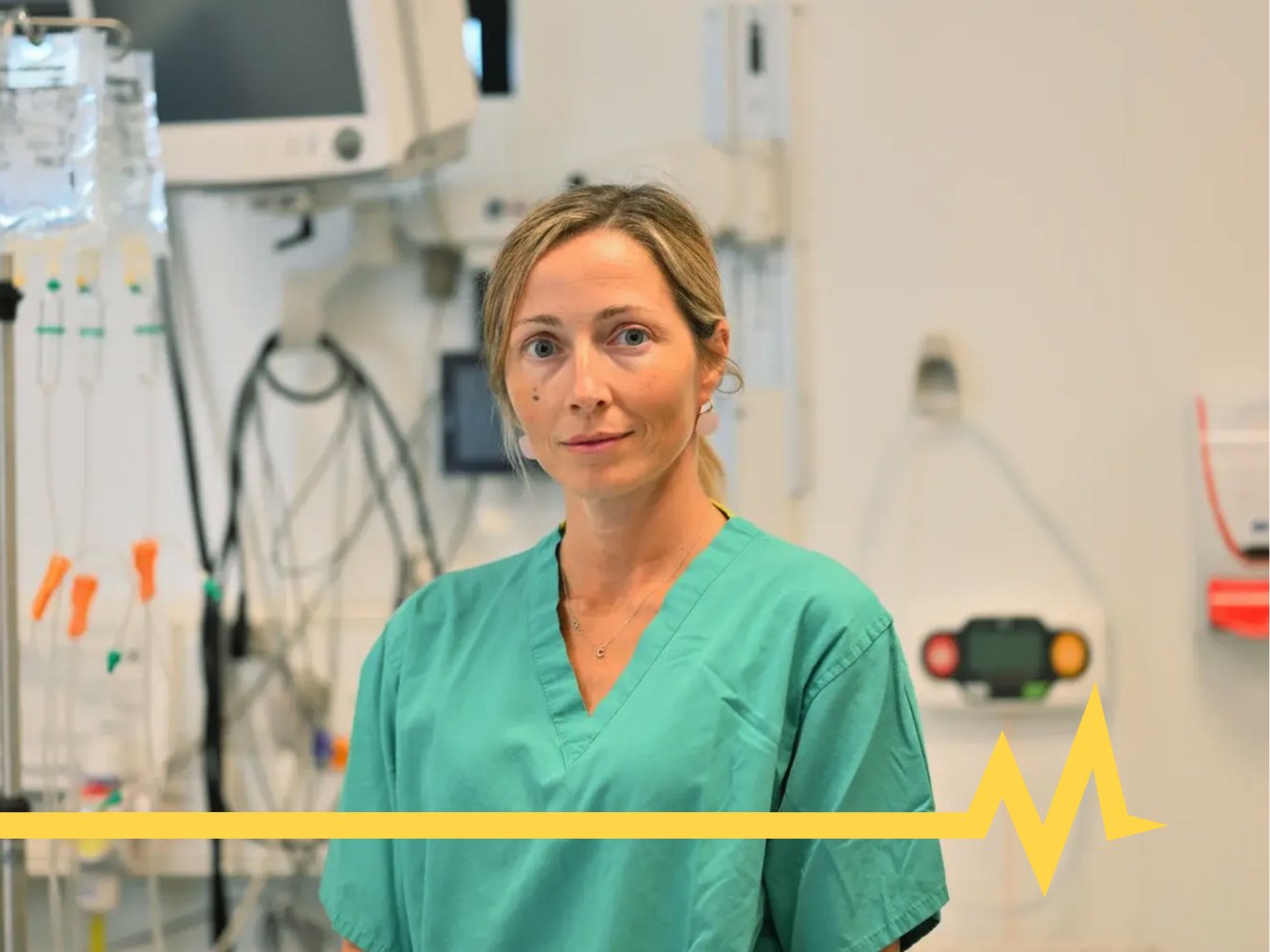
Dr Carla Perna is a consultant clinical oncologist treating prostate, testicular and renal cancers across five hospital sites in Surrey and London. Pulse Digital Health built her independent digital presence from nothing and has run search, content and social for her since. In 9 months the site went from no recorded search footprint to 889,720 impressions, 9,061 clicks from organic search and 162 citations across AI platforms.
01 . Client overview
The client
Dr Carla Perna is a GMC-registered consultant clinical oncologist working in urological cancer. Her practice covers prostate, testicular and renal cancer alongside oligometastatic disease, using stereotactic radiotherapy, MRI-guided radiotherapy, brachytherapy, Lutetium PSMA therapy and hormone therapy. She consults across five sites in Surrey and London, including Nuffield Health Guildford, GenesisCare Guildford, GenesisCare London Cromwell Hospital and London Bridge Hospital, and is a principal investigator on urological cancer trials.
Pulse Digital Health was brought in to give her a presence of her own, separate from the hospital groups she works within. The remit ran from the website itself through to search, structured data, AI visibility, reviews and a video-first social presence.
The starting point was nothing. No independent website, no ranking pages, no reviews attached to her own name and no search history to build on. Search Console records no impressions at all for the domain until the new pages began to index.
Sector
Private oncology in the UK. A consultant-led practice rather than a clinic brand, operating across five hospital sites under two different provider groups.
Starting position
No site, no rankings, no search demand for her name. Search Console records no impressions at all until the new pages began to index.
Remit
Website build, technical SEO, a clinician-reviewed content programme, medical schema, AI search visibility, Google Business Profile and monthly video and social.
02 . The challenge
The challenge
Cancer search is the hardest ground in UK healthcare marketing. The people searching are frightened, the misinformation is everywhere, and Google applies its strictest quality standards to anything that could affect health or money. None of the usual shortcuts were available.
The highest bar Google sets
Cancer content sits squarely in the your money or your life category. Pages have to demonstrate real clinical expertise before they earn a ranking, so volume alone does nothing. Every page had to be worth publishing on its own merits.
Her name is on every word
This is a personal brand, not a clinic brand. Everything published carries her GMC registration and her standing with referring colleagues, so nothing ships without her reading it first. That gate sets the pace of the entire programme.
The treatments nobody explains
Lutetium PSMA, re-radiation, five-fraction radiotherapy and MR-guided radiotherapy are barely explained in plain English anywhere in UK search. They also have very little search volume, so they could never carry traffic and had to be treated as authority rather than acquisition.
Patients arrive by referral
Private oncology patients come through GPs, consultant networks and insurers rather than web forms. The site is used to check someone out, not to find them, so success could not be defined by form fills alone.
Charities hold the general terms
We assumed from the outset that the NHS and the national cancer charities would keep the broad terms, and planned around that. The opportunity sat in the specific questions those organisations answer only briefly, if at all.
Five sites, one clinician
She consults in Guildford, Wimbledon and central London under two provider brands. Local signals are split across five addresses and none of them belongs to her, which makes conventional local SEO awkward.
03 . Our strategy
Our strategy
The plan was to build an education resource that happened to belong to a consultant, rather than a brochure that happened to mention cancer. Everything followed from deciding to answer the questions patients type when they are frightened, then structuring the site so both Google and the language models could quote it.
Built the digital home before building the audience
A patient-first website covering her conditions, treatments and five consulting locations, plus e-consultations. Google reviews were embedded, mobile issues fixed, the enquiry pop-up redesigned and conversion tracking added as the estate matured. 70 URLs now earn impressions in Google Search Console and 42 of them hold an average position inside the top 10.
Wrote for the question, not the treatment
Keyword and content-gap research pointed the programme at what patients type at two in the morning rather than what a private practice wants to sell. The pages carrying the site are about sex after prostate surgery, back pain, what to eat during radiotherapy and hormone therapy side effects. Those five pages account for 7,017 clicks, 77% of every click the site has recorded.
Published the specialist treatments anyway
Lutetium PSMA, oligometastatic disease, brachytherapy, stereotactic radiotherapy and TNM staging have almost no UK search volume, so they were never going to bring traffic. They went live as authority pages, and they hold ground: the Lutetium PSMA page has recorded 16,012 impressions, oligometastatic cancer 5,487, brachytherapy 5,007 and stereotactic radiotherapy 3,439, all from zero.
Structured the site so machines could quote it
Medical schema deployed across the priority pages, internal link builds tying the blog programme to the treatment pages, site-wide image data, broken link and 404 clean-up, and active indexing management in Search Console. Semrush now records 46 of her pages cited across AI platforms and 162 citations in total, with the back pain page cited across 19 tracked prompts in the UK set.
Kept the clinician in the loop on every word
Dr Perna reviews every clinical page before it publishes. No outcome claims, no prescription brand names in social copy, and where a filmed line would read as a promise once written down, the copy is reframed and the change flagged to her. It is slower than the alternative, and it is the reason the content survives the scrutiny that cancer search attracts.
Gave her a presence outside search
A 20-topic video plan, monthly filming days, caption and QA discipline, and scheduling across Instagram, Facebook and TikTok, which very few UK consultant oncologists use at all. Alongside it, monthly Google Business Profile review responses written in her voice and synced back to the site.
04 . The results
The results
The site started with no rankings, no brand demand and no history to build on. Patients increasingly ask a model before they ask a search engine, so the work had to show up in both. Everything below was built from there.
Monthly impressions and clicks
Google Search Console, web search, all countries. The chart runs to the latest complete month and the first month of the period is partial. Monthly figures are built from Google weekly buckets, apportioned by day where a week crosses a month boundary.
Search visibility
| Measure | Result |
|---|---|
| Pages earning impressions | 70 |
| Pages ranking in the top 10 | 42 |
| Queries ranking in the top 10 | 591 |
| Queries ranking in the top 3 | 109 |
| Countries returning impressions | 235 |
AI visibility
| Measure | Result |
|---|---|
| Citations across AI platforms | 162 |
| Change in citations | +11% |
| Pages cited by AI platforms | 46 |
| Change in cited pages | +27.8% |
| Topics tracked with recorded visibility | 60 |
| Prompts tracked | 162 |