
Buttons need room
WCAG 2.2 Success Criterion 2.5.8 sets a minimum pointer target of 24 by 24 CSS pixels at level AA, unless a spacing exception applies (WCAG 2.2 Understanding Target Size (Minimum)).
Healthcare CRO Consultancy, United Kingdom
Conversion rate optimisation built for clinic websites
Trusted by


Design & development services
Healthcare conversion rate optimisation is improving the pages and forms of a clinic website so that more visitors enquire or book, based on how patients actually use the site. Strong CRO builds confident patient journeys and removes friction. Every improvement pushes more visitors toward booking with certainty.
 Website Design Transform your healthcare practice with custom website design focused on usability, and patient trust - crafted by the experts of Pulse Digital Health.
 Brochure Design Create impactful healthcare brochures that build trust and drive action. Pulse Digital Health designs patient-focused materials that strengthen your brand.
 Logo Design Build a memorable healthcare brand identity with strategic logo design. Pulse Digital Health creates trusted, patient-centric visuals - let’s design your brand today.
 UX Web Design Deliver seamless patient experiences with conversion-focused healthcare web design. Pulse Digital Health builds fast, accessible, and engaging websites.
 Website Maintenance Keep your healthcare website secure, updated, and high-performing. Pulse Digital Health provides ongoing maintenance and technical support. Website Security Keep your healthcare website secure, updated, and high-performing. Pulse Digital Health provides ongoing maintenance and technical support. Photography & Video Capture patient attention with professional healthcare video and photo content. Pulse Digital Health produces high-quality visuals for your brand. Book now!
Where clinic sites lose enquiries
Many visitors arrive on a phone. If the call or book button is below the fold or behind a menu, they leave.
Long enquiry forms with mandatory fields put off patients who only want to ask a question.
Patients cannot tell what a consultation costs or what happens next, so they ring a competitor that tells them.
Redesigns follow taste rather than recordings, analytics and tests, and conversion can fall after launch.
We only work in private healthcare: 40+ UK private clinics, consultants and medical groups, and nothing else. No e-commerce, no restaurants, no property. Every page we publish is written against the CAP code, the GMC and GDC advertising guidance and your CQC registration requirements, because the alternative is a website that costs you a complaint rather than a patient.

Our Way of Working
We look at analytics, heatmaps and session recordings, map where patients drop off, then test changes one at a time and report on enquiries and bookings. CRO projects are quoted after a call; see healthcare marketing pricing.
We study how visitors move through your site and where they drop out. Analytics and session data show the pain points. We then rank the fixes by likely impact.
We change one thing at a time and measure the result. What works stays and what does not is dropped. Your enquiry rate improves step by step.
Sources
Conversion changes on a clinic site touch accessibility, speed, advertising claims and consent. These are the points we check first, read from the primary pages in November 2026.
Conversion work on a healthcare site has more constraints than on a retail one. A change that lifts clicks but breaks keyboard access, makes an unevidenced claim or collects consent badly is not an improvement. We therefore screen each test idea against these documents first, run only those that pass, and record the evidence for any testimonial or claim used in a variation so it can be produced if challenged.
WCAG 2.2 Success Criterion 2.5.8 sets a minimum pointer target of 24 by 24 CSS pixels at level AA, unless a spacing exception applies (WCAG 2.2 Understanding Target Size (Minimum)).
web.dev says pages should have an INP of 200 milliseconds or less, so a booking form that lags is a measurable fault (web.dev Core Web Vitals).
CAP Code rule 3.47 says marketers must hold documentary evidence that a testimonial is genuine, and CAP advice dated 21 September 2026 says claims within a testimonial must not mislead (CAP Code section 3; CAP advice on testimonials and endorsements).
The ICO says pre-ticked boxes do not constitute consent, so a form test cannot default a marketing tick-box to on (ICO guidance on valid consent).
For your clinic, this means test ideas are screened for accessibility, claims and consent before launch. See UX design. Results are never guaranteed.
Case Studies
At Pulse Digital Health, we're proud to partner with clinics and healthcare brands that trust us with their digital journey. Every project shows how patient-focused strategy is applied to a real clinic.
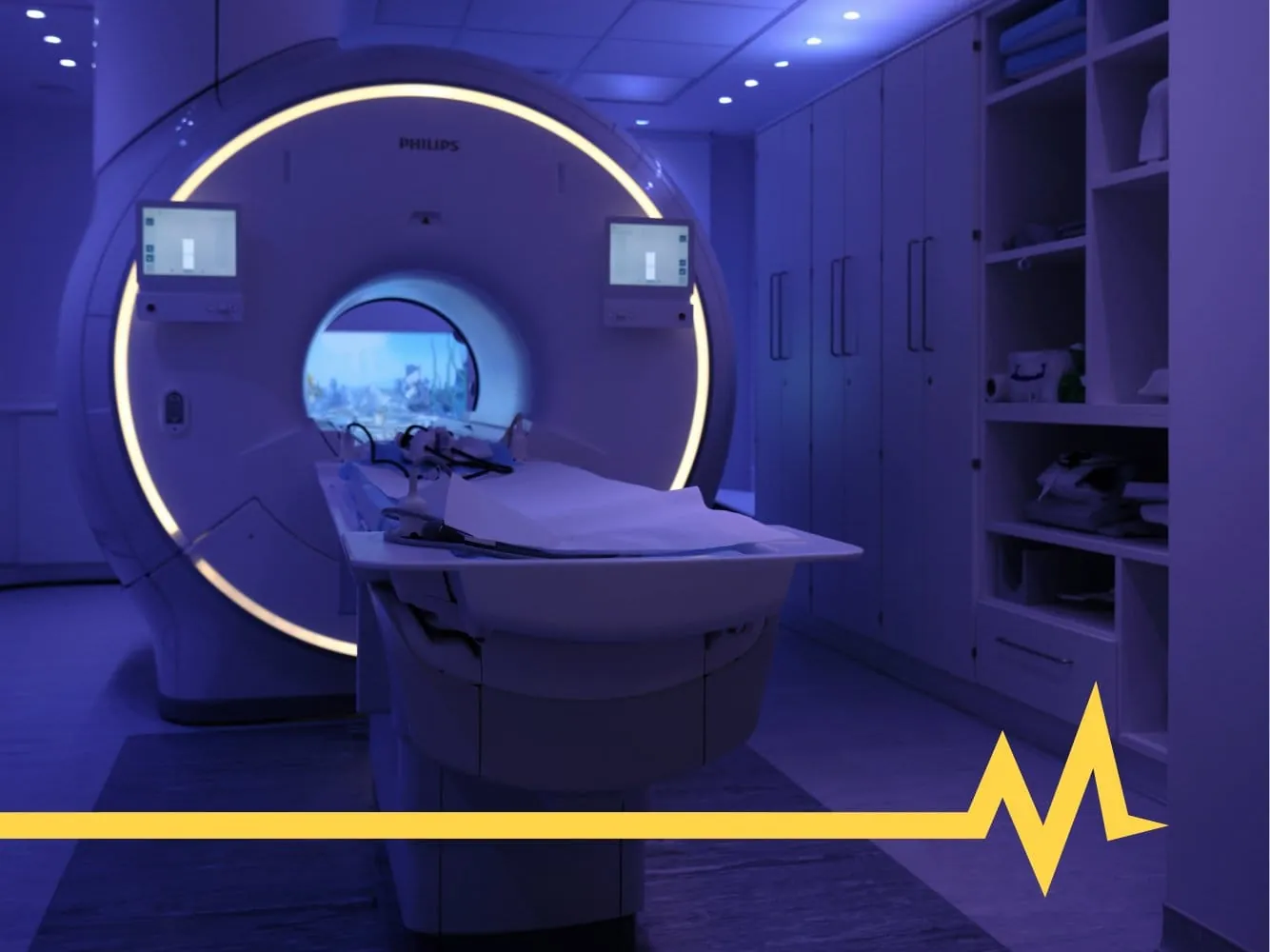
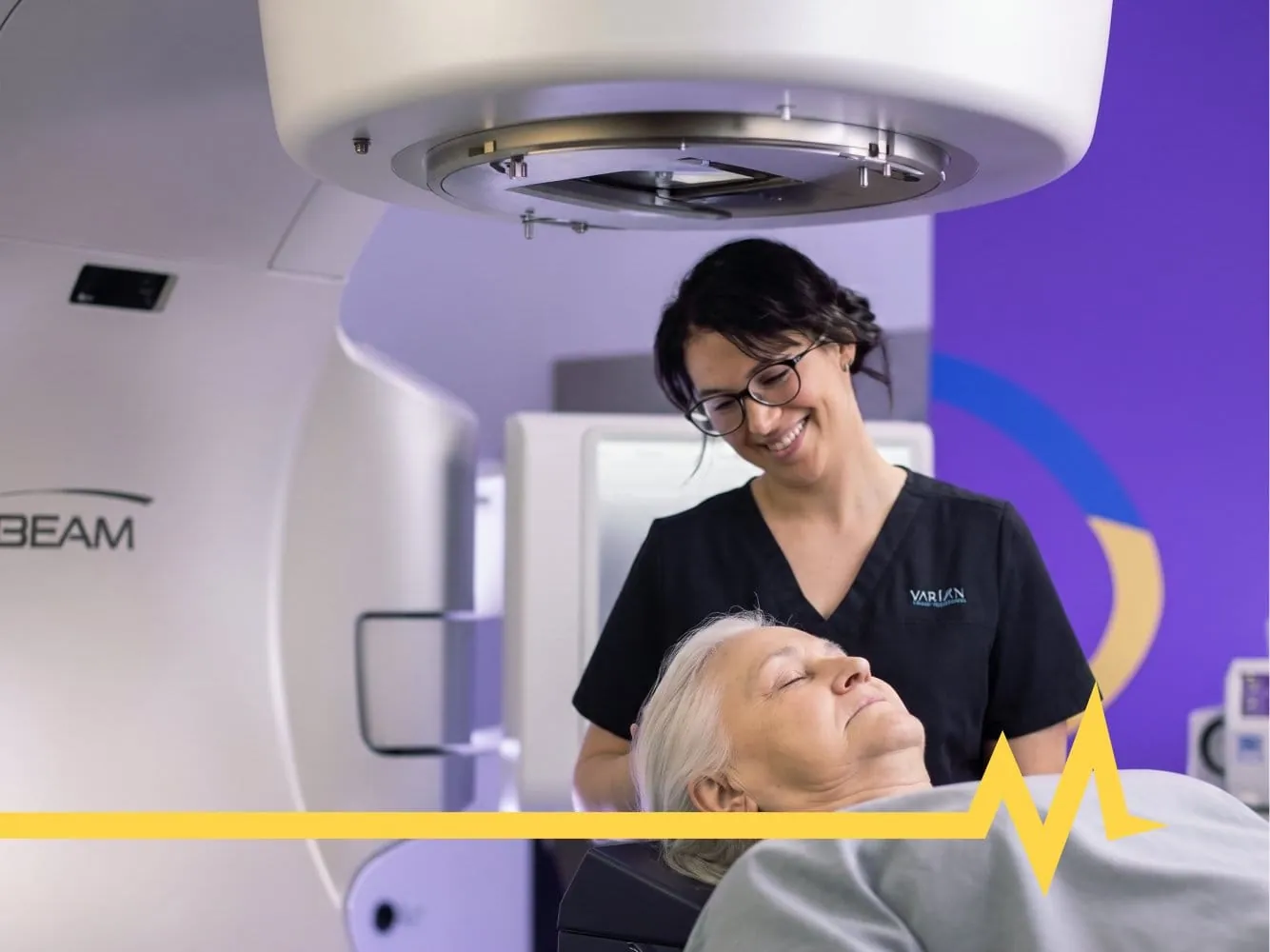
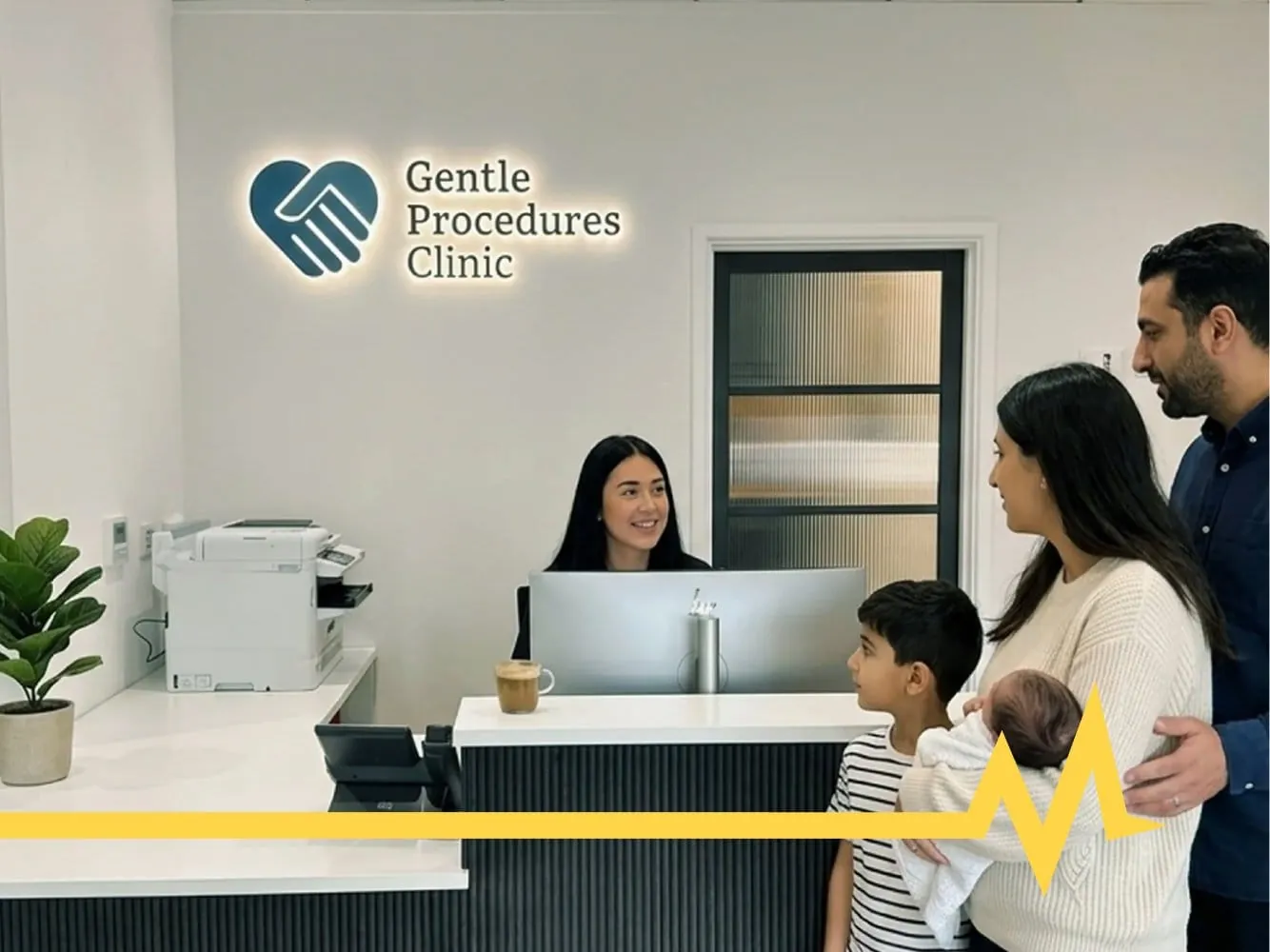
Website rebuild and healthcare SEO.
View All Our Case StudiesCompliance
Answers About Our CRO Consultancy Services
The things clinics ask us most about cro consultancy. Anything we haven't covered? Send us a note.
CRO in healthcare focuses on improving how effectively your website converts visitors into real patient enquiries. It uses data, user behaviour insights, and structured testing to refine digital journeys. CRO ensures patients find information quickly, trust your services, and take the right action. It ultimately strengthens your online performance with measurable, long-term results for your practice. Our approach ensures every improvement aligns with patient expectations and supports stronger engagement across all key pages.
CRO helps healthcare organisations attract more qualified patient enquiries through clearer information and improved user experience. It removes friction on key pages that influence patient decisions and booking behaviour. Optimised layouts and messaging improve trust, clarity, and engagement. Analytics guide every change, ensuring measurable improvements that directly support business growth and patient communication goals.
Common CRO strategies include simplifying service pages, improving calls-to-action, and reducing unnecessary steps in patient journeys. Heatmaps and analytics help identify where visitors hesitate or leave. We test different layouts, messages, and forms to create higher conversions. More precise navigation, stronger trust elements, and mobile-friendly design play essential roles in improving patient engagement and enquiries.
Yes, we tailor CRO strategies to individual services and clinical specialities based on patient behaviour and search intent. Each speciality requires different information depth, trust signals, and navigation patterns. We optimise landing pages, patient pathways, and calls-to-action for those needs. Our approach ensures every service page supports relevant patient goals and encourages confident, timely enquiries.
CRO positively supports SEO because improved engagement signals help strengthen search performance. Clearer content and better structure make pages easier for both patients and search engines. CRO never harms your branding, as every update respects your visual identity and tone. All changes improve clarity, trust, and usability, reinforcing your reputation as a credible clinical provider.
Yes, but each must be genuine. CAP Code rule 3.47 says marketers must hold documentary evidence that a testimonial is genuine, and claims within it must not mislead. We keep the permission and evidence on file for any testimonial placed in a test, and remove quotes that cannot be substantiated.
No. The ICO says silence, pre-ticked boxes or inactivity do not constitute consent, and consent should be unbundled from other terms. In a conversion test, any marketing opt-in must start unticked, and we check this before a variation goes live.
Explore more