


1. Home
  2. Disease Specific Cancer Clinics

Marketing for Disease-Specific Cancer Clinics, UK

Marketing for Tumour-Specific Cancer Clinics That Patients Can Trust

Someone searching for a prostate or breast cancer specialist is rarely browsing. They hold a diagnosis, a referral letter or a worry, and they want a named consultant, a clear first appointment and honest information about fees. As a cancer clinic you need search, advertising and web pages that answer those points plainly, without fear-based copy or promises about outcomes.

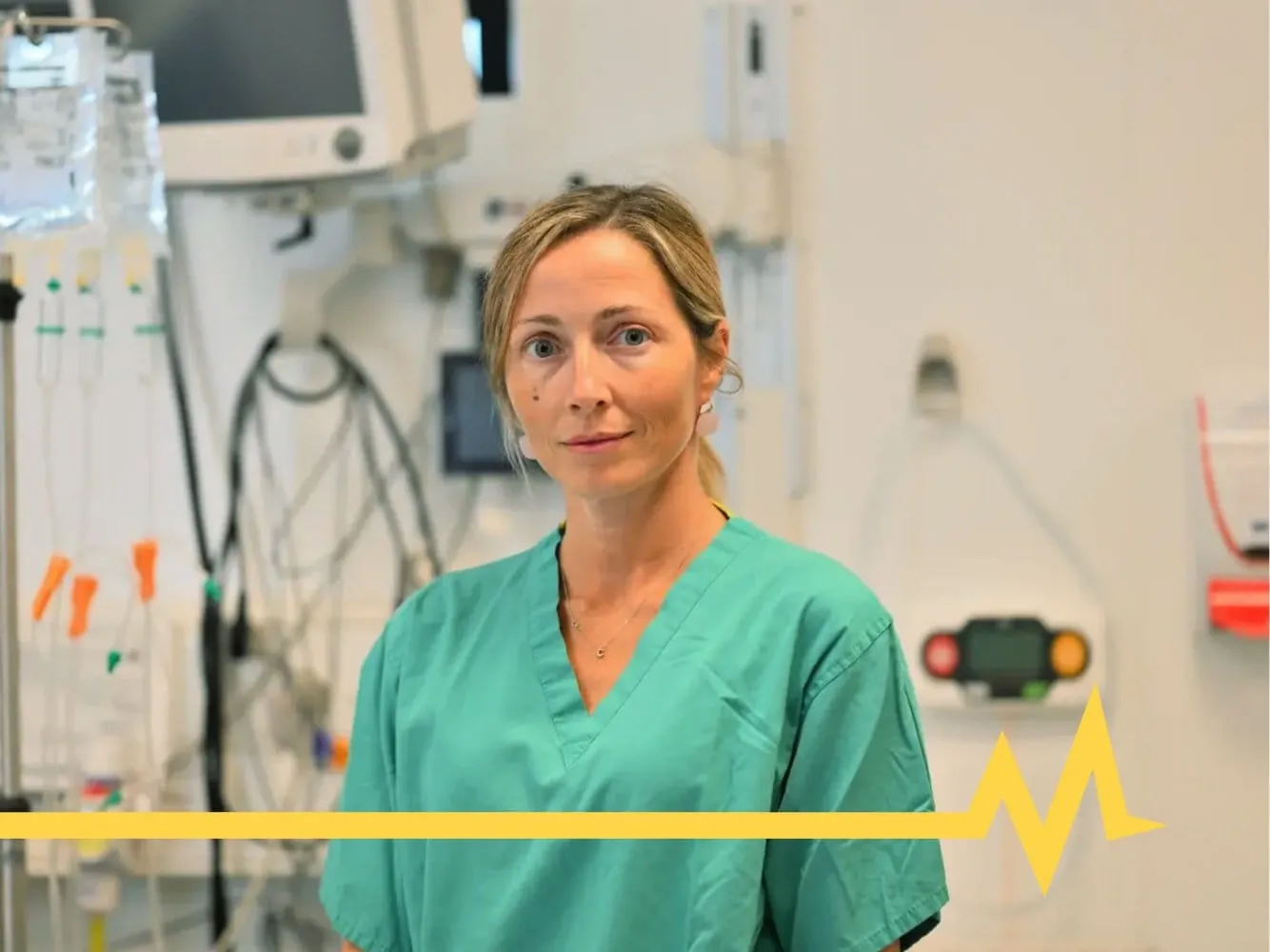
Oncology clinic team and Pulse Digital Health reviewing tumour-site landing pages

Trusted by

  • Dr Carla Perna
  • CheckPoint
  • Dupuytren's UK
  • Gentle Procedures UK
  • Harley Street Audiovestibular Clinic
  • Theralife Clinics
  • UME Health

About Us

Digital Marketing Built Around One Cancer Type at a Time

A clinic focused on a single disease competes differently from a large cancer centre. Patients compare you with NHS cancer pathways, hospital groups and other independent specialists. What sets you apart is depth: a consultant who treats this tumour site every week and can say so, with GMC registration and sub-specialty shown on the page.

Referrals arrive by several routes. Some come from GPs, some from insurers that authorise a named consultant, and some from patients who self-fund a second opinion. Each route needs its own page, with its own wording about how to book, what to bring and how fees are explained.

Advertising here needs particular care. ASA and CAP Code rules on health claims apply, and survival or cure claims are not something we would write. Check specifics with your regulator or legal adviser before publishing anything new.

Marin Bargan, founder of Pulse Digital Health
Marin BarganFounder

Case Study

Our closest published work in this specialty.

We only show work we have done. This study is the nearest match to this page from our published case studies, with the data source and date range for every figure.

Dr Carla Perna consultant oncologist website

Surrey and London · Clinical oncology

Dr Carla Perna

Client
Independent consultant-led private practice
Specialty
Clinical oncology: prostate, testicular and renal cancer
Result
Consultant oncologist SEO: from no search footprint to 889,720 impressions and 162 AI citations in 9 months (Google Search Console and Semrush, 2025 to 2026).

These are search visibility figures, not patient numbers.

How We Help

How We Help Disease-Specific Cancer Clinics Reach Patients Within the Cancer Act

We list the tumour sites you treat and how patients reach you

Discover

We list the tumour sites you treat and how patients reach you

We start with the cancers you actually see, not the whole oncology menu. For each one we study how people search, from symptom wording to second opinion queries, and which routes bring patients: GP letter, insurer authorisation or self-pay.

We also note where NHS pathways, hospital groups and general oncology practices appear in results, so we know the gap your clinic fills.


We build one page per pathway, led by the consultant

Build

We build one page per pathway, led by the consultant

Each tumour site gets a page that names the consultant, lists qualifications and registration, explains what the first appointment involves and sets out how fees and insurer cover are discussed. The tone stays factual and calm. We avoid fear language and outcome claims.

Information is written so a family member reading on a phone late at night finds it clear.

We measure bookings by pathway, not by clicks

Grow

We measure bookings by pathway, not by clicks

Search campaigns target specific tumour and second opinion terms, with ad copy checked against platform health policies and the CAP Code. We log enquiries separately for GP-referred, insured and self-pay patients, and review call handling with your team. Reporting shows which pathways fill clinic slots, so budget follows capacity rather than traffic.

Cancer clinic marketing guide

Last updated 1 November 2026

Cancer Advertising Law: the Cancer Act 1939, CAP Code and NICE Guidance

Cancer marketing has a specific legal limit. Section 4 of the Cancer Act 1939 restricts advertisements that offer to treat cancer or give advice on its treatment, with exemptions that include material directed at doctors and certain other professionals. CAP Code rule 12.2 adds that marketers must not discourage essential treatment for serious conditions. Disease-specific clinics should take legal advice on how their public pages are framed and confirm specifics with their regulator or adviser.

In practice most compliant cancer services present factual information: the consultant team, the diagnostic and treatment pathway, how multidisciplinary team (MDT) decisions are made and what support is available. NICE guidance for the tumour type, such as NG101 for early and locally advanced breast cancer, shows what standard care looks like and gives patients a reference point. PHIN publishes information on private consultants and hospitals that informed patients check.

How People Search for a Specialist Cancer Clinic

Cancer searches are specific to the tumour and the stage of the journey:

  • "breast cancer specialist private" and consultant names
  • "prostate cancer treatment options" after a PSA result
  • "skin cancer clinic" and "melanoma specialist"
  • "lung cancer second opinion"
  • "private cancer treatment with insurance" and insurer names

A disease-specific clinic should build depth on its one area rather than breadth: separate pages for diagnosis, each treatment option, follow-up and support, all clinician-written.

Cancer Clinic Website Checklist

Pages should include:

  • Consultant and nurse specialist profiles with GMC or NMC registration.
  • The MDT process and who sits on it.
  • A diagnosis pathway with realistic timings from first appointment to results.
  • Insurer recognition and self-pay package information, written factually.
  • Links to NHS and charity support, and a clear statement that urgent symptoms need prompt medical review.

GP Urgent Referral, Insurer and Self-Pay Routes

NICE NG12 sets out when GPs should refer people with suspected cancer. Many private patients arrive through a GP referral used with insurance, others self-pay for faster diagnostics. Explain both, and make the GP referral form simple to find.

Because the Cancer Act restricts public advertising, clinician-to-clinician marketing matters more here than in most specialties. GP education evenings, referral guides and consultant letters are legitimate and effective. Our oncology and haematology clinic marketing page covers broader cancer centres.

Measurement in cancer services should focus on referral quality and speed: time from enquiry to first appointment, referral source and the proportion of enquiries that are within the clinic's scope. Volume alone is not the goal. A clinic that responds quickly to the right referrals, and redirects others kindly to appropriate services, earns the trust of GPs and patients alike.

Clinician-Facing Content: Where Cancer Marketing Has More Room

Because public advertising of cancer treatment is restricted, professional audiences become central. GP practices, practice nurses and community pharmacists benefit from concise referral criteria, direct contact routes and turnaround times for a specific tumour type. Separate this content into a clearly labelled section for healthcare professionals, and ask your legal adviser to confirm how the exemptions apply to it.

Worked Example: A Breast Diagnostic Clinic Built Around Factual Pathway Content

Illustration only, not a client result. Imagine a one-stop breast clinic that wants more insured and self-pay referrals.

  1. Publish a pathway page: GP referral or self-referral, same-day imaging, biopsy and results timing.
  2. Write a professional section for GPs with referral criteria and a direct line.
  3. Keep public ads to diagnostic assessment, with legal review of wording against the Cancer Act.
  4. Track referral source (GP, insurer, self) for every new patient.

Cancer service marketing is quoted after a careful scoping call; see how healthcare marketing pricing works.

Services That

Make Healthcare Click for Disease Specific Cancer Clinics

Pulse Digital Health offers a full set of digital marketing services for disease specific cancer clinics. They work together to guide patients from online search to appointment.

Our Clients Are Our Pride

Trusted by UK private clinics and consultants

Real clinics, consultants and healthcare groups trust us with their growth. Here is what they say about working with the Pulse Digital Health team.

Disease Specific Cancer Clinics Marketing FAQs

Frequently Asked Questions About Healthcare Marketing for Disease Specific Cancer Clinics

Don't hesitate to reach out if you have any questions. Contact us today.

  1. Can a clinic that treats only one cancer type compete with large hospital groups online?

    Yes, because specificity helps. A patient searching for one tumour type often prefers a team that treats little else. We build pages around that focus, show the consultant's registration and sub-specialty, and use local search to appear next to larger brands.

    Visibility on narrow, high-intent queries is usually more achievable than competing on broad terms like cancer treatment.

  2. What can we say about survival rates in our advertising?

    Treat this as a regulated area. The ASA and CAP Code expect health claims to be accurate and backed by evidence, and cancer claims draw close attention. We do not write cure or survival promises.

    If you wish to publish audited outcome data, take advice from your regulator or legal adviser first and present it with context.

  3. How should we write for someone who has just had an NHS diagnosis and wants a second opinion?

    Plainly and without pressure. These readers want to know who would review their case, what records to send, how long it takes and what it costs.

    We build a dedicated second opinion page with a short form and a phone line, and avoid any wording that criticises NHS care or suggests urgency that is not clinically true.

  4. Do insurer-recognised consultants need different web content?

    Often, yes. Insured patients usually need to confirm cover and obtain authorisation before booking, so they look for insurer names, recognition status and a clear explanation of the steps. Self-pay patients want fee guidance.

    Separate sections for each group reduce phone queries and stop either audience feeling the page is written for someone else.

  5. Is it appropriate to use social media advertising for cancer services?

    It can be, but platform health policies restrict targeting and wording, and the subject is delicate. We usually prioritise search and content, and use social channels for consultant introductions and educational material rather than symptom-based targeting.

    Check current platform rules and the CAP Code before any paid social activity in this area.

  6. How do you report when many enquiries come by phone?

    We set up call tracking and ask your reception team to record the route, such as GP, insurer or self-pay, plus the tumour site. That lets us connect spend to booked appointments rather than form fills.

    We share monthly reports in plain language and flag when call handling, not marketing, is causing lost enquiries.

Accelerate your clinic's growth.

Get a free website SEO report