- Home
- Dublin
Healthcare Marketing Agency Serving Dublin Clinics
- A neighbouring UK healthcare agency, working with Dublin clinics remotely
- Medical Council · ASAI Code · HPRA · GDPR · ePrivacy-aware
- Search, paid media and web design for private practice
Trusted by


Healthcare marketing in Dublin
Marketing private care from Dublin 2 and Ballsbridge to Blackrock and Swords
Dublin's private healthcare market is shaped by waiting lists and health insurance. Many patients hold cover with insurers such as VHI or Laya, and others pay directly to be seen sooner, so they search carefully and compare options. A healthcare marketing agency Dublin clinics work with needs to reflect that. Consultants cluster around Dublin 2 and Ballsbridge, while GPs, dentists and aesthetic clinics serve suburbs from Dún Laoghaire and Blackrock to Tallaght, Swords and Leopardstown. Patients also travel from across Leinster, and some cross the Irish Sea from Northern Ireland or Britain for treatment.
We work from London, so we are a short flight away but not a Dublin office, and we support clinics on video. Our copy follows the Medical Council's guidance on advertising, the ASAI Code, HPRA rules for medicines advertising, GDPR and ePrivacy requirements. Treat this as awareness, not legal advice, and check specifics with your regulator or adviser.
Case Studies
Recent projects built for growing private clinics.
At Pulse Digital Health, we're proud to partner with clinics and healthcare brands that trust us with their digital journey. Every project shows how patient-focused strategy is applied to a real clinic.


Website rebuild and healthcare SEO.
View All Our Case StudiesOur Services
Designed for Dublin consultants, GPs and private clinics
Each service is planned for a capital where insurance, referrals and self-pay all play a part, and where advertising and data rules are taken seriously.
 Web designElegant, quick layouts with consultant biographies, treatment explanations and booking prompts, made to work for patients arriving via insurer directories, GP referrals or plain search.
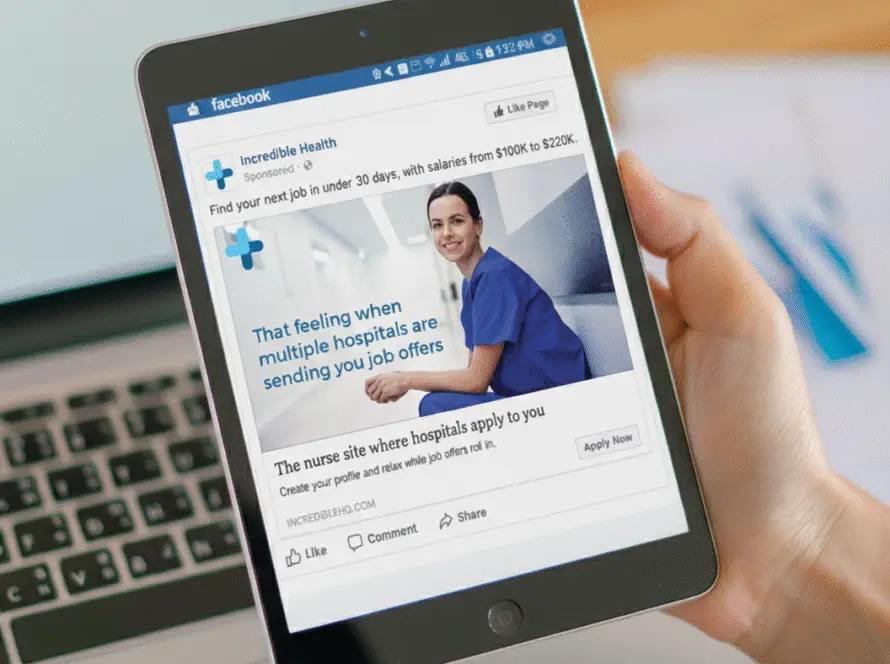 Website developmentSecure, maintainable builds with compliant cookie handling, accessible code and protected enquiry forms, so your team can update content and meet data protection duties without fuss.
 Healthcare and local SEOTreatment and consultant pages, district-level listings and Google Business Profile support that help Dublin practices appear in the searches patients actually make before they book.
 PPC advertisingGoogle Ads and Meta campaigns written to the ASAI Code and Medical Council guidance, with landing pages matched to each search and tracked calls and forms.
 Social mediaInformative, restrained content that introduces clinicians and explains care, planned in advance and checked against advertising rules, with HPRA requirements observed on any medicines content.
 Integrated strategyA single plan joining search, ads and website work around the services you most want to grow, with reporting that shows enquiries by source and by Dublin area.
 Analytics and trackingTracking set up with GDPR and ePrivacy in mind, including consent banners, minimal data collection and clear retention, so you can measure enquiries while respecting Data Protection Commission expectations.
Public data
Dublin healthcare market: what the public data shows
Dublin practices serve a growing and changing population within a health service that was reorganised into regions. These points come from the Central Statistics Office and the HSE.
Population
The CSO's Census 2022 results for Dublin give a population of 1,458,154, up 110,795 (8%) since April 2016. There were 195,664 people aged 65 and over, an increase of 19% since 2016.
Languages spoken at home
The CSO's Census 2022 migration and diversity results show that 751,507 people usually resident in Ireland spoke a language other than English or Irish at home, up 23% from 612,018 in 2016. Polish was reported by 123,968 people. These are national figures, not Dublin only.
HSE health regions
The HSE now organises services into health regions, and Dublin falls across three: Dublin and North East (North Dublin), Dublin and Midlands (including Dublin South West, Dublin West and Dublin South City) and Dublin and South East (South East Dublin).
Regulator
The Medical Council states that it regulates medical doctors in Ireland, with the purpose of protecting the public by promoting and better ensuring high standards of professional conduct, education, training and competence among doctors. The page does not show a publication date.
Figures are quoted as each source gives them, with the period they cover, and we recheck them when the source is updated. A figure for the whole city does not describe every neighbourhood, so it is a starting point for planning rather than a forecast.
For a clinic website, a growing number of older patients and a wide range of home languages suggest keeping appointment details and key service pages simple to read, and considering plain-language or translated versions of the most important pages. This does not predict how any page will rank. Because the language figure is national, we would check local patient enquiries before deciding which languages to prioritise. Where a service has a clear local audience, we usually build one dedicated page for it, with the clinician's details, how to book and the questions patients ask most often, rather than a thin page for every suburb.
How we work
What a Dublin clinic website project covers, from brief to review
A Dublin clinic website project usually starts with a short brief that names the clinicians, the services offered, the patients the practice wants to reach and the wording that needs a regulatory check before it goes live. Our healthcare website design team then maps the pages a patient needs in order to understand a treatment, see who will treat them and book, before any layout or copy is written.
The steps we normally follow are a review of the existing site, a page plan, drafting with clinician sign-off, build and testing on phones and desktops, and a launch checklist covering redirects, forms, contact details and clinician profiles. Each step has a named reviewer, so a consultant can approve clinical wording while the practice manager checks booking details and opening hours.
The deliverables are a page map, the finished page copy, the built site and a short handover note explaining how the practice can update clinician profiles and service pages. Once the site is live, progress is tracked in Search Console. Google's own guidance says the tool helps website owners monitor and optimise Search performance. We report impressions, clicks and indexing status each month, as set out in our performance reporting service.
A typical timeline for a single site runs to several weeks, but it depends on how quickly clinicians approve copy and how many services the site covers. We do not promise a launch date, a ranking position or any number of enquiries.
The usual problems are slow clinician review, out-of-date fees or booking links, and profiles that do not match the public record. The Medical Council regulates medical doctors in Ireland, and patients can search its Doctor's Register. For that reason each clinician profile is checked against the register before launch, and our compliance guidance sets out the wording checks we apply.
Answers About Healthcare Marketing in Dublin
Frequently Asked Questions About Healthcare Marketing in Dublin
The questions clinics in Dublin ask us before starting a marketing engagement. Anything we have not covered? Send us a note.
Do you have an office in Dublin?
Pulse Digital Health is based in London and works with Irish clinics remotely, using video calls and online dashboards. We do not have a Dublin team or a list of Dublin clients to quote.
The short distance and shared working hours make collaboration easy, and your staff supply the local knowledge of patients, consultants and referrers.
What does a healthcare marketing agency Dublin practices hire need to know about Irish rules?
It should understand the Medical Council's Guide to Professional Conduct and Ethics on advertising, the ASAI Code, HPRA rules on medicines advertising and GDPR. It should also know that UK frameworks such as the CAP Code are not the ones to rely on in Ireland.
We tailor wording to Irish requirements, and recommend you confirm details with your regulator.
Can UK advertising rules be used for an Irish clinic?
Not directly. UK bodies such as the ASA are not the reference point for Irish advertising, which looks to the ASAI Code and, for doctors, the Medical Council's guidance. Many principles overlap, such as honesty and avoiding misleading claims, but details differ.
We write for Irish rules and ask you to confirm specifics with your regulator or legal adviser.
How do health insurers affect how Dublin patients search?
Patients with private cover often look for clinics and consultants recognised by their insurer, while others look for faster access or self-pay options. We make this visible on your site by stating accurately which insurers or payment routes you work with, without implying endorsement.
That can help patients with cover find you and understand what to ask.
Can you help us attract medical travellers from Northern Ireland or Britain?
Possibly, for services where people travel. We can create pages that explain what to expect, how to reach Dublin and what follow-up looks like, then run ads aimed at those regions.
Cross-border patients raise extra points on aftercare and data handling, so we advise you to check your regulator's guidance before promoting.
Which Dublin areas should a clinic target?
It depends on your patients. A consultant near Ballsbridge may draw from across the city and beyond, while a dental practice in Swords or Tallaght mainly serves nearby residents.
We review your booking data, then set SEO and ad areas by district and commuter belt, and adjust after a few weeks.
What does GDPR mean for our website and ads?
GDPR requires a lawful basis and transparency for personal data, and health data is a special category needing extra care. We use consent banners, keep health details out of ad platforms and analytics, and minimise form fields.
The Data Protection Commission oversees this in Ireland, and your adviser should confirm what applies to you.
Do ePrivacy rules affect email and SMS marketing?
Irish ePrivacy rules generally require consent for electronic marketing messages and for non-essential cookies, alongside GDPR duties. We configure sign-up forms, consent records and unsubscribe routes accordingly. Appointment reminders may be treated differently from promotions, so ask your legal adviser to review your exact practice before launching.
How quickly will we see enquiries?
Paid search may bring enquiries within days, though early weeks are spent learning which searches convert. SEO builds over several months, and we cannot guarantee rankings.
In a busy capital, competition for common treatments is strong, so we often start with specific services and districts, then expand as the data supports it.
What happens in the first call?
We hold a free video call to understand your services, patient mix and current marketing. Afterwards we review your website, listings and any live ads, and propose a short list of priorities. You are not obliged to continue, and you keep our notes either way.
Can a Dublin clinic advertise a prescription-only treatment?
Prescription-only medicines cannot be advertised to the public in Ireland, and the HPRA enforces that. Clinics offering treatments that rely on them, such as some injectables or weight-management medicines, usually promote the consultation and the clinician instead.
We write those pages carefully and suggest you confirm specifics with the HPRA or your adviser.
Which edition of the Medical Council guide applies to Irish doctors?
The ninth edition of the Guide to Professional Conduct and Ethics, published by the Medical Council, is the current one, and chapter 5 covers fees, advertising and practice information. We check copy against it rather than against UK guidance, which differs in places.
Across Ireland