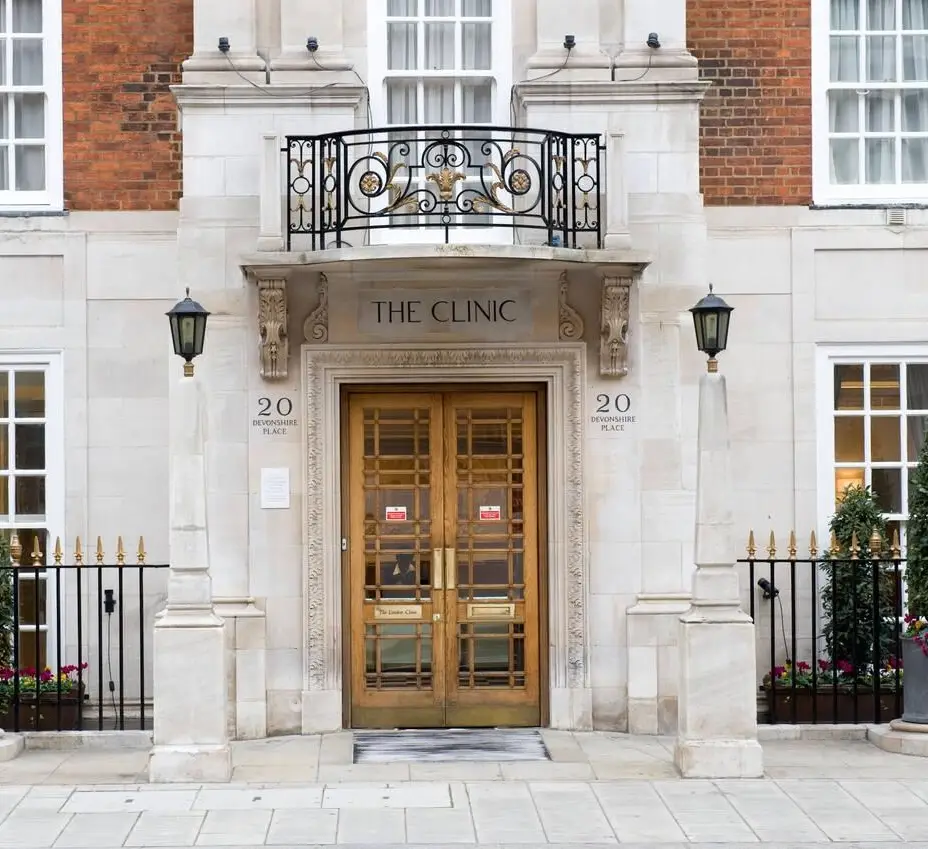


For most private clinics in the UK, the hardest part of growth is not getting people to the website. Paid media, search and referrals can all bring visitors. The hard part is turning those visitors into booked, paying patients. A clinic can spend thousands of pounds a month driving traffic and still see a thin trickle of enquiries, simply because the website was built to look professional rather than to convert. This guide explains, in practical terms, how to close that gap.
Conversion rate optimisation is the discipline of systematically improving the percentage of visitors who take a meaningful action, whether that is booking a consultation, requesting a callback or completing an enquiry form. For a private clinic, even a small lift in conversion can be transformational. If your site receives two thousand visitors a month and converts at one per cent, you generate twenty enquiries. Lift that to three per cent and you have sixty enquiries from exactly the same traffic and the same ad spend. Nothing else in marketing offers that kind of leverage.
Why conversion matters more than traffic for private clinics
Healthcare is a considered decision. A prospective patient choosing a private consultant, a specialist clinic or an elective procedure is weighing cost, trust, convenience and outcome all at once. They rarely book on the first visit. They research, compare and hesitate. This means the job of your website is not simply to present information but to reduce anxiety, answer unspoken questions and make the next step feel safe and easy.
When clinics focus only on traffic, they pour money into the top of the funnel while ignoring the leaks further down. A well structured clinic website turns the same number of visitors into far more patients, which lowers your effective cost per acquisition and improves the return on every marketing pound. That is why conversion rate optimisation should sit at the centre of your strategy rather than as an afterthought.
Understand your patient journey before you change anything
Before adjusting a single button or headline, map the journey a typical patient takes. Most private healthcare journeys move through a few distinct stages: becoming aware of a problem or need, researching possible solutions and providers, evaluating a shortlist, and finally making contact. Each stage carries its own questions and its own anxieties, and your website needs to meet the visitor wherever they happen to land.
Someone arriving on a treatment page from a Google search is often further along than someone landing on your homepage from a brand advert. The page they see should reflect that. A common mistake is to treat every visitor identically, sending them all to a generic homepage and hoping they find their own way. Strong clinics instead design specific pages for specific intents, so the message always matches the moment.
- Awareness stage visitors want clear, reassuring explanations of symptoms, conditions and options.
- Research stage visitors want to compare approaches, understand what is involved and see evidence of expertise.
- Evaluation stage visitors want pricing guidance, credentials, reviews and a sense of what happens next.
- Decision stage visitors want a fast, frictionless way to book or speak to someone.
The trust signals that turn hesitation into action
Trust is the currency of private healthcare. Patients are handing over their health, their time and often a significant sum of money. If your website fails to establish credibility within seconds, visitors quietly leave and book elsewhere. The good news is that trust can be engineered deliberately through visible, specific signals rather than vague claims.
Display the names, photographs and genuine qualifications of your clinicians, including their professional registrations and memberships. Show real patient reviews with enough detail to feel authentic, and respond to them publicly where the platform allows. Feature recognisable accreditations, regulator registrations and any hospital or insurer affiliations. Where you can, use real outcome data and clear, honest explanations of what a treatment can and cannot achieve. Authenticity converts far better than glossy stock imagery.
It is also worth remembering that trust is cumulative. A single award badge does little on its own, but a consistent pattern of credentials, transparency and social proof across every page builds a quiet confidence that makes booking feel like the obvious choice.
Designing pages that convert
A high converting clinic page has a clear job and removes everything that distracts from it. The headline should immediately confirm the visitor is in the right place by naming the condition, treatment or service in plain language. Within the first screen, a prospective patient should understand what you offer, who it is for and how to take the next step.
Strong user experience is central here. Pages should load quickly, read comfortably on a phone, and guide the eye naturally towards the action you want. Long walls of text bury the message, so break content into scannable sections with descriptive subheadings, short paragraphs and the occasional list. Every page should answer the practical questions a patient actually asks: how much does it cost, how long does it take, what does recovery involve, and what happens at the first appointment.
Calls to action deserve particular attention. A vague button labelled submit does far less than one that says book your consultation or request a callback. Place these prompts at natural decision points throughout the page rather than hiding a single one at the very bottom. The goal is to make the next step feel small, obvious and low risk.
Fixing the booking and enquiry flow
Many clinics lose patients at the final hurdle because the booking or enquiry process is harder than it needs to be. Every additional form field, every confusing step and every moment of uncertainty gives a hesitant visitor a reason to abandon. Audit your enquiry flow as if you were a nervous first time patient and look for friction at every step.
- Ask only for the information you genuinely need at this stage, and gather the rest later.
- Offer more than one way to make contact, including phone, form and online booking, because different patients prefer different channels.
- Confirm clearly what happens next so the patient is reassured rather than left wondering.
- Make sure forms work flawlessly on mobile, where a large share of healthcare enquiries now begin.
If you use online scheduling, ensure it shows genuine availability and does not force people to create an account before they can book. Each unnecessary obstacle quietly reduces your conversion rate, and the cumulative effect across thousands of visitors is substantial.
How paid traffic and conversion work together
Conversion improvements and traffic generation are not competing priorities. They multiply each other. When you run paid campaigns to a website that converts poorly, you effectively subsidise your competitors, because the patients who bounce from your site often book with the clinic whose page answered their questions. By contrast, a well optimised website lowers your cost per booked patient, which means you can afford to bid more aggressively, reach more people and still maintain a healthy return. The clinics that grow fastest treat acquisition and conversion as a single connected system rather than two separate departments.
This connection also changes how you should read your numbers. A campaign that looks expensive on a cost per click basis may be highly profitable once the landing page converts well, while a cheap campaign sending traffic to a weak page can quietly lose money. Always judge marketing performance by booked patients and revenue, not by surface metrics like clicks or impressions, which tell you very little about whether your clinic is actually growing.
Writing copy that reassures and persuades
The words on your pages do an enormous amount of the persuasive work, yet copy is often the most neglected part of a clinic website. Effective healthcare copy speaks to the patient rather than about the clinic. Instead of listing features and equipment, it acknowledges the worry that brought the person to your page, explains how you help in plain language, and sets clear expectations about the process and the outcome.
Avoid clinical jargon wherever a simpler phrase will do, because unfamiliar terminology increases anxiety and erodes trust. Where technical terms are unavoidable, define them gently. Use a warm, confident and human tone that mirrors how a caring clinician would speak in person. Above all, be specific. Concrete details about what happens, how long it takes and what support a patient receives are far more reassuring than generic promises of excellent care.
Measuring the right outcomes
You cannot improve what you do not measure, but measuring the wrong things is just as dangerous as measuring nothing. Many clinics obsess over visitor numbers while ignoring the metrics that actually predict revenue. Focus your tracking on the moments that matter: how many visitors reach a treatment page, how many begin an enquiry, how many complete it, and how many of those enquiries become booked appointments.
- Track form submissions and phone calls as distinct conversion events so you understand which channels patients prefer.
- Follow the journey from first visit through to booked appointment, not just the initial enquiry.
- Watch where visitors abandon the process, because that is where your next improvement lies.
- Review performance regularly so small problems are caught before they cost you months of lost patients.
When you connect website behaviour to real booking outcomes, marketing stops being a guessing game. You can see precisely which pages and changes generate patients, and you can invest with confidence rather than hope.
Using evidence to keep improving
Conversion rate optimisation is not a one off project but a continuous habit. The clinics that win are those that treat their website as a living asset, testing changes and learning from real visitor behaviour rather than relying on opinion. Set up analytics that track not just visits but the specific actions that matter, such as form completions, calls and bookings, so you can see exactly where patients drop off.
From there, you can form hypotheses and test them. Perhaps a clearer pricing section reduces hesitation, or a revised headline lifts engagement on a key treatment page. Test one meaningful change at a time so you can attribute results accurately. Over months, these incremental gains compound into a website that converts far better than the one you started with, without spending a penny more on traffic.
Common conversion mistakes private clinics make
Several recurring mistakes hold clinics back. Hiding prices entirely often increases anxiety rather than enquiries, because patients fear the unknown more than the number. Burying contact details makes the clinic feel unreachable. Overusing jargon alienates the very people you are trying to reassure. And treating the website as a brochure that is built once and forgotten means it never improves while competitors steadily refine theirs.
Another frequent error is ignoring mobile users. A growing majority of healthcare research now happens on phones, often late at night when someone is worried about a symptom. If your forms are fiddly, your text is tiny or your booking flow breaks on a small screen, you are turning away patients at the exact moment they are ready to act.
How long does conversion optimisation take to show results
One of the most common questions clinics ask is how quickly they will see a return from improving their website. The honest answer is that some changes work almost immediately while others take time to prove themselves. Fixing a broken mobile booking form or clarifying a confusing pricing section can lift enquiries within days, because you are removing an obvious obstacle that was actively costing you patients. Larger structural changes, such as redesigning a key treatment page or rebuilding the enquiry journey, usually need a few weeks of data before the impact becomes clear.
The important shift is to think in terms of momentum rather than a single fix. Clinics that commit to a steady programme of testing and refinement see their conversion rate climb month after month, with each improvement building on the last. That compounding effect is exactly why conversion work delivers such a strong return over time, and why it rewards patience and consistency far more than one off bursts of effort.
Strengthening your search visibility
To make sure this page is found by the right audience, it is worth weaving in the terms people actually search for. Strong online appointment booking depends on clear, relevant content that answers real questions. Investing in patient acquisition helps the right patients discover the practice at the moment they are looking.
What the search data tells us
Live search data shows real UK demand worth targeting on this page. Many people search for healthcare marketing agency near me, and ranking well for that intent depends on content that matches what they are looking for.
Bringing it together
Turning visitors into booked patients is rarely about a single dramatic change. It is the result of many deliberate decisions: matching pages to intent, building visible trust, writing clearly, removing friction from the booking flow and measuring what actually happens. Each improvement is modest on its own, but together they transform the economics of your clinic, letting you grow without simply spending more on advertising.
At Pulse Digital Health we help private clinics across the UK identify exactly where their websites leak patients and put structured improvements in place. If you are driving traffic but not seeing the enquiries you expect, a focused conversion review is often the fastest, most cost effective way to grow. The patients are already arriving. The opportunity is in making it effortless for them to take the next step.