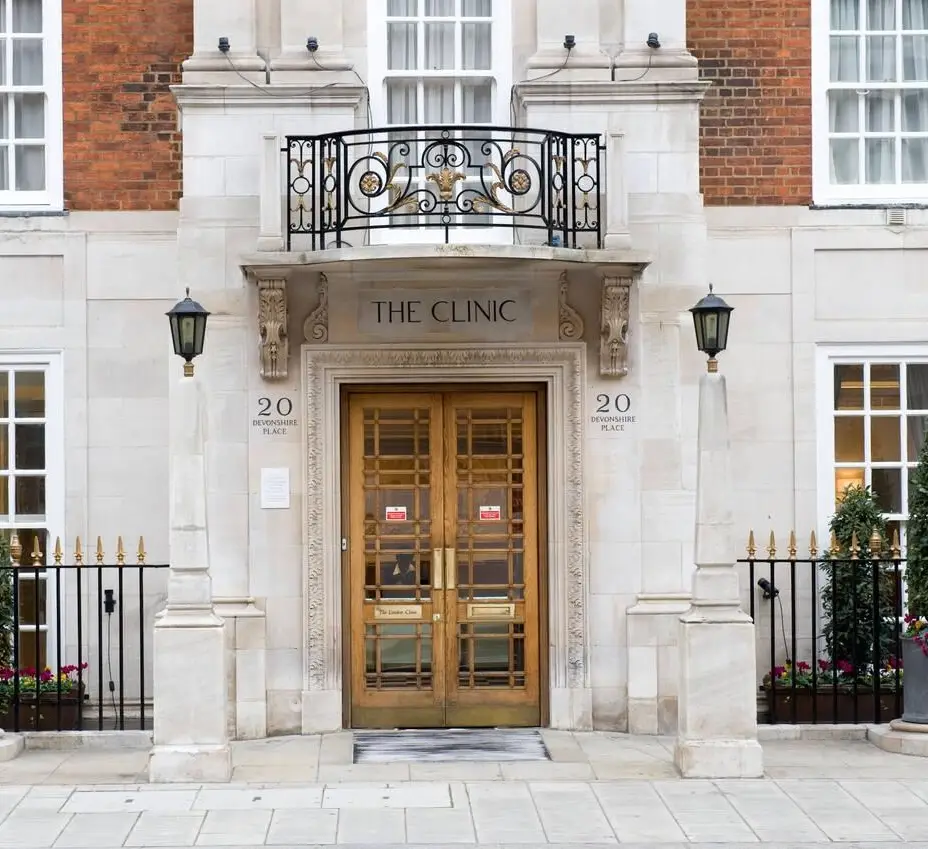


Marketing a rheumatology clinic, or any specialist consultant practice, presents a particular set of challenges. The conditions involved are often complex and long term, patients frequently arrive through referral, and the value of the clinic rests heavily on the expertise and reputation of individual consultants. Generic healthcare marketing rarely does justice to this. What works is an approach built around consultant authority, clear patient education, and strong relationships with the referrers who send patients your way. This guide explains how to market a rheumatology or specialist consultant clinic effectively in the UK.
The thread running through everything is credibility. Specialist patients and the professionals who refer them are discerning, and they respond to genuine expertise rather than marketing gloss. The clinics that grow are those that make their consultants authority visible and trustworthy, and that support patients through conditions which are often confusing and frightening to live with.
Understand the specialist patient
Patients seeking rheumatology or other specialist care are usually dealing with something significant. They may have lived with troubling symptoms for a long time, seen several other professionals, and grown anxious or frustrated by the lack of answers. By the time they reach a specialist clinic, they often want two things above all: a clear explanation of what is happening to them, and confidence that they are in genuinely expert hands.
This shapes how the clinic should communicate. Patients need information that helps them understand complex conditions in accessible language, reassurance that the clinic deeply understands their particular problem, and a sense that they will be listened to as individuals. Marketing that leads with empathy and clarity, rather than slogans, speaks directly to what these patients are looking for and sets the clinic apart from less thoughtful competitors.
Build visible consultant authority
In specialist care, the reputation of the individual consultant is often the single most powerful marketing asset a clinic has. Patients and referrers alike want to know who will be treating them, what their expertise is, and why they can be trusted. Making each consultant authority visible and verifiable is therefore central. Detailed profiles setting out qualifications, specialist interests, research, professional roles and experience help patients and referrers feel confident in the clinic.
This authority can be extended through content. Articles, explanations and insights authored or reviewed by your consultants demonstrate expertise at scale, reassure patients, and support the trust signals that search engines and AI tools increasingly reward. When a patient researching a complex condition finds clear, authoritative material from a named expert, the clinic immediately stands out as a credible and serious choice.
Nurture the referral relationship
For many specialist clinics, referrals from GPs and other consultants are the lifeblood of the practice. Marketing in this context is as much about reassuring fellow professionals as it is about reaching patients directly. Referrers stake their own credibility on every recommendation, so they need to be confident that your clinic is expert, responsive and reliable. Making it easy to refer, communicating clearly about patients, and being a dependable partner all strengthen these vital relationships.
A strong online presence supports referral too. A referrer who looks up your clinic should find a credible website, detailed consultant profiles and authoritative content that confirms their confidence in sending a patient to you. In this sense, the work you do to reach patients directly also serves the professionals who refer, because both audiences are reassured by the same signals of genuine expertise and care.
Search visibility for complex conditions
Patients with complex or chronic conditions are often highly motivated researchers. They search at length, using both medical terms they have picked up and plain language descriptions of their symptoms. This creates a real opportunity for a specialist clinic that publishes clear, authoritative content answering the questions these patients ask. Ranking well for the specific conditions and treatments you handle puts your clinic in front of exactly the patients you are best placed to help.
Because search engines apply especially high standards to health information, demonstrating genuine expertise and trustworthiness is essential. Content attributed to named, qualified consultants, a credible and well structured website, and consistent information across the web all help a specialist clinic perform in search. Investing in this kind of considered visibility tends to attract better matched patients than broad, generic advertising ever could, because it reaches people actively seeking help with the precise problems you specialise in.
Education as the heart of specialist marketing
For specialist clinics, patient education is not a marketing add on but the core of how trust is built. Complex conditions are frightening precisely because they are poorly understood, and a clinic that explains them clearly and compassionately offers genuine relief alongside genuine information. Content that describes what a condition is, how it is diagnosed, what treatment involves and what patients can realistically expect serves patients while quietly demonstrating the clinic depth of expertise.
This educational material works hardest when it speaks in a human voice. Specialist knowledge expressed in dense, technical language can intimidate the very patients it is meant to help. The most effective clinics translate their expertise into clear, reassuring explanations that respect the reader intelligence without overwhelming them. This combination of authority and accessibility is rare, and patients notice and value it when they find it.
A website that reflects specialist standing
A specialist clinic website carries a particular burden: it must convey serious clinical authority while remaining welcoming and easy to use for anxious patients. Detailed, well organised information about conditions and treatments signals depth, while clear navigation and a warm tone keep the experience human. Prominent, credible consultant profiles reassure both patients and referrers that the clinic is led by genuine experts.
The website should also make the practical steps simple. Patients and referrers alike benefit from clear information on how to arrange a consultation, what to expect, and how to get in touch. For a clinic whose value rests on expertise, a website that looks and feels authoritative, current and considered does important reputational work, while one that appears dated or thin can undercut even the most distinguished consultants.
Measuring specialist clinic marketing
Specialist clinics should measure marketing in a way that reflects the realities of their practice. Enquiries and booked consultations matter, but so does the source and quality of those enquiries, including the balance between direct patient enquiries and professional referrals. Understanding which channels and which content bring well matched patients allows a clinic to concentrate its effort where it genuinely pays off.
It is also worth taking a longer view. Specialist patients often have ongoing relationships with a clinic, returning over time and recommending it to others facing similar conditions. The value of a satisfied patient therefore extends well beyond a single appointment, through continued care, referrals and word of mouth. Marketing judged only on immediate results can miss this, so the clinics that think in terms of reputation and long term relationships tend to make wiser decisions.
Beyond rheumatology: applying the approach across specialties
Although rheumatology illustrates these principles well, the same approach applies across specialist consultant clinics, from endocrinology and gastroenterology to neurology and beyond. In each case the marketing rests on the same foundations: visible consultant authority, clear education about complex conditions, strong referral relationships, and search visibility for the specific problems the clinic handles. What changes is the detail of the conditions and the patient concerns, not the underlying strategy.
This is reassuring for any specialist clinic, because it means the path to effective marketing is well understood even where the clinical territory is highly particular. The work is to translate these general principles into the specific language, questions and concerns of your specialty, so that patients searching for help with their exact situation find a clinic that clearly and credibly understands it. The clinics that do this carefully tend to become the obvious choice within their niche.
Positioning against larger providers
Specialist consultant clinics often compete with larger hospital groups and well known institutions. Rather than trying to match these competitors on scale or budget, the strongest independents lean into the advantages that come with being focused and consultant led: deep expertise in a narrow area, continuity of care with the same trusted specialist, personal attention, and the absence of the bureaucracy that can frustrate patients in larger settings. These are precisely the qualities that discerning patients and referrers value.
Your marketing should make this distinct positioning clear. Help patients understand why a focused, consultant led clinic may serve their particular condition better than a large general provider, and why the personal relationship with a named expert matters in conditions that are managed over months and years. When patients grasp this difference, the decision shifts away from brand recognition and towards genuine clinical fit, which is where a focused specialist clinic competes most effectively.
Reputation and reviews in specialist care
Reputation carries enormous weight in specialist care, where patients are entrusting complex and often distressing conditions to a clinic. Genuine reviews and, with appropriate consent, patient experiences can reassure prospective patients that they will be understood and well cared for. Feedback that speaks to a consultant willingness to listen, to explain clearly and to manage a difficult condition with skill addresses exactly the concerns specialist patients carry.
As in all healthcare marketing, reviews must be gathered ethically and handled with strict regard for confidentiality. Responses should be warm but discreet, never confirming clinical details in public. Over time, a strong body of authentic feedback becomes both a powerful reassurance to future patients and a meaningful signal to the search and AI systems that help patients find expert care. Reputation, carefully tended, becomes one of a specialist clinic most valuable and durable assets.
Common mistakes specialist clinics make
A frequent mistake is hiding the very expertise that makes a specialist clinic valuable, with thin consultant profiles and little authoritative content, so that patients and referrers cannot easily see why the clinic should be trusted. Another is communicating in dense, technical language that alienates anxious patients rather than reassuring them. A third is neglecting referral relationships, treating fellow professionals as an afterthought rather than a vital audience.
Perhaps the most damaging error is applying generic, high volume marketing tactics to a specialist practice, chasing broad traffic and quick conversions rather than building the considered authority that specialist patients and referrers respond to. Specialist care is a field where credibility and trust are everything, and marketing that prioritises noise over substance tends to attract poorly matched enquiries while failing to win the confidence of the discerning audiences that matter most.
Turning the strategy into a practical plan
Bringing these elements together does not require an overwhelming effort, only a deliberate sequence. A sensible starting point is to get the foundations right: complete, credible consultant profiles, a website that reflects the clinic standing, and accurate, consistent information across the web. With those in place, the focus can move to building authoritative content around the conditions and treatments the clinic specialises in, and to strengthening the referral relationships that bring in well matched patients.
From there, marketing becomes a matter of consistency. Keep publishing clear, expert content, maintain warm and reliable communication with referrers, gather and respond to reviews with care, and measure the channels that bring genuinely suitable patients. A specialist clinic that commits to this steady, credibility led approach will find that its reputation compounds over time, attracting both patients and referrers on the strength of demonstrable expertise rather than marketing noise.
Above all, it helps to remember what specialist patients and referrers are really looking for: confidence that they are dealing with genuine experts who will listen, explain and care. Every element of the marketing, from a consultant profile to an educational article to a thoughtful reply to a review, is ultimately an opportunity to demonstrate that confidence is well placed. The clinics that keep this firmly in mind, and let real expertise and genuine care shine through everything they publish, are the ones that build lasting reputations and thriving, sustainable practices.
Strengthening your search visibility
To make sure this page is found by the right audience, it is worth weaving in the terms people actually search for. Strong private clinic marketing depends on clear, relevant content that answers real questions. Investing in medical practice marketing helps the right patients discover the practice at the moment they are looking.
What the search data tells us
Live search data shows real UK demand worth targeting on this page. Many people search for physiotherapy marketing agency, and ranking well for that intent depends on content that matches what they are looking for.
Bringing it together
Marketing a rheumatology or specialist consultant clinic is fundamentally about making real expertise visible and trustworthy to the patients and referrers who depend on it. Understand the anxious, often long suffering specialist patient, build and showcase the authority of your individual consultants, educate through clear and credible content, and nurture the referral relationships that sustain the practice. A clinic that does these things consistently earns the confidence of both patients and professionals, and grows on the strength of its reputation. If you would like help marketing your specialist clinic, our team works exclusively with UK private clinics and would be glad to help.