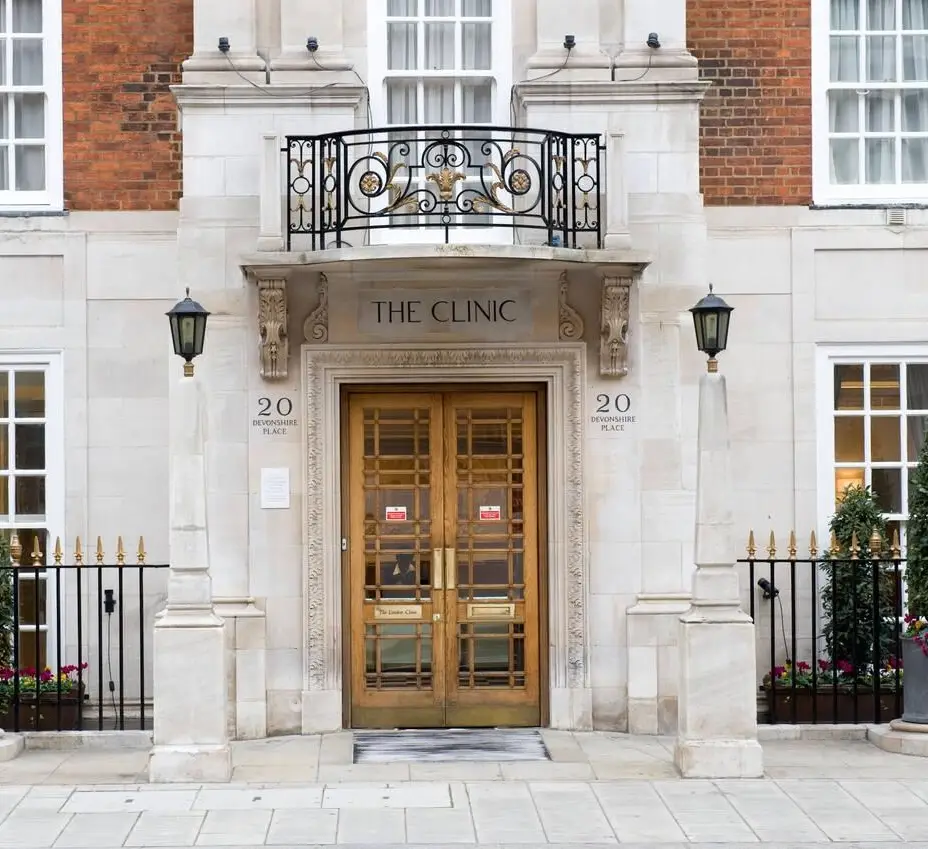


This article explores how private clinics can strengthen their foundations: SEO as “card catalogue”, better site search, practical wayfinding and streamlined booking – all focused on the real journeys patients take, not what looks clever in a wireframe.
AI is here – but foundations still matter
AI is reshaping search and discovery, and every healthcare leader is asking how to use it safely. But amid the buzz, one theme stands out:
You cannot safely “layer AI” on top of a broken website.
Patients still use Google and your site as primary tools.
Solid foundations – structure, content, UX – are what let you adapt to AI changes without panic.
Before chasing AI features, private clinics should:
Ensure their content is clearly labelled and indexable.
Fix obvious UX friction points on key journeys.
Make sure their data (addresses, contacts, clinician details) is correct everywhere.
AI might change how patients reach your front door. It does not change what they need when they get there.
SEO as your clinical “card catalogue”
Label everything so people – and machines – can find it
Think of SEO less as a dark art and more as a card catalogue for your clinic:
Every page should have a clear purpose and be properly titled.
Important services, consultants and locations must be easy to search, both on Google and on your own site.
Internal search queries can reveal what patients are actually trying to find.
Private clinics should:
Monitor on‑site search terms regularly.
Ask: “If I search this term myself, do I see the right page first?”
Create or improve pages where obvious needs are not met.
“If it’s easier to Google your clinic than to find anything through your own site search, you have a digital front door problem.”
Build content around real needs, not assumptions
On‑site search data often surfaces “unexpected” needs:
Parking, directions, facilities (cafés, toilets, accessibility).
Practical details about processes (how to prepare, how to pay, what to bring).
Creating simple, focused pages for these topics:
Reduces pressure on reception and switchboards.
Improves patient experience immediately.
Signals to search engines and AI tools that you are a useful, complete resource.
Turning your website into a useful tool, not a brochure
FAQs driven by patient questions
Rather than guessing what to include on your site:
Gather repetitive questions from front‑of‑house teams.
Combine them with top internal search queries.
Turn them into clear FAQs and help pages.
Key tips:
Put the direct answer in the first sentence.
Use the rest of the paragraph to add nuance and caveats.
Keep language plain and concrete.
This approach:
Helps humans quickly.
Aligns with how AI systems look for concise answers to specific questions.
Keep information centralised and up to date
If you operate multiple locations or service lines:
Avoid duplicating the same content on dozens of pages.
Use central pages for shared information (e.g. “Private MRI: indications, preparation, risks”) and then clearly signpost where it is offered.
Ensure updates happen in one place and propagate across your site.
Out‑of‑date information frustrates patients and undermines trust. Centralising content reduces the risk of missed updates.
Wayfinding: online and on the ground
Navigation that actually matches how patients think
Your digital front door needs digital wayfinding as much as buildings need physical signage:
Clear routes from home page and entry pages to the most common tasks.
Multiple entry points (top navigation, prominent buttons, contextual links).
Obvious paths back if patients “get lost”.
Design around:
Purpose or intent – “Book an appointment”, “Find a consultant”, “Pay a bill”, “How to get here”.
Information – “Conditions we treat”, “What to expect”, “Costs and finance”.
Patients should not need more than a handful of clicks to:
Find the right service or clinician.
Understand how to prepare.
Reach you in person.
“Booking with a specialist should be at least as easy as reserving a table at a decent restaurant.”
Fixing maps and real‑world wayfinding
Digital experience extends beyond your domain:
Google Maps and Apple Maps entries must be correct.
Pins and drop‑off points should lead to the right entrance, not a back alley.
Route descriptions and parking details need to match reality.
Simple steps:
Ask staff to use navigation apps and report mis‑directions.
Correct map listings and add clear, visual directions on your site.
For larger sites, consider digital wayfinding tools that guide patients from car park to clinic.
Every unnecessary detour adds stress and can cause missed appointments – which wastes your capacity and delays care.
Reviews, real clinicians and trust in an AI world
Authentic voices beat generic content
As AI‑generated content proliferates, patients are increasingly looking for:
Named clinicians behind information.
Local, human voices rather than faceless “experts”.
Clear signals that advice is grounded in real practice and research.
You can support this by:
Attributing clinical content to specific consultants, with brief bios.
Including quotes, viewpoints and explanations from your team.
Keeping “generic” material to a minimum in key decision‑making pages.
Reviews as a core digital front door asset
Reviews have always influenced choice; in an AI‑mediated environment they:
Provide machine‑readable sentiment for LLMs.
Offer the social proof patients expect before committing.
Help distinguish your clinic from others with similar services.
Strengthen your review strategy by:
Proactively asking satisfied patients to leave feedback on key platforms (Google, specialist healthcare review sites).
Monitoring patterns and responding appropriately to concerns.
Aligning internal patient‑survey insights with public review profiles (use the good stories, fix the recurring issues).
Breaking silos: marketing, operations and IT together
Many digital front‑door problems are not purely “marketing issues”:
Who answers the phone when a campaign launches?
How quickly are email enquiries handled?
How are online bookings triaged across multiple clinicians and sites?
Improving the digital front door requires:
Marketers, operations and clinical leaders in the same conversations.
Shared understanding of common problems (missed calls, clunky forms, long waits).
Joint decisions about priorities and resourcing.
Start small:
Pick one or two high‑impact journeys (e.g. initial private consultation requests, self‑pay procedures).
Map every step from search to arrival.
Fix the worst friction points first, then iterate.
“All the marketing in the world cannot compensate for a broken front desk or a three‑month wait with no communication.”
Designing your next website project for the real world
If you are planning a redesign or new build:
Put the patient at the centre of the whiteboard
Map out what they come to the site to do today, not what you wish they did.
Prioritise purpose and information
Make key tasks (book, contact, find, pay) obvious and fast.
Organise content around patient language, not internal structures.
Aim for simplicity over clever personalisation
Fancy behavioural targeting is worthless if basic navigation is confusing.
Get the fundamentals right, then layer on more sophisticated features carefully.
Plan for ongoing testing and improvement
Use analytics and, where possible, usability testing.
Gather feedback from less tech‑savvy patients and carers – if they can use it, most people can.
FAQ: digital front door healthcare for private clinics
1. What is a digital front door in healthcare?
It is the combination of your website, search presence, maps, reviews and online booking – the entry points through which patients first interact with your clinic.
2. How is this different from just having a “nice website”?
A digital front door is built around tasks and journeys. It must be easy to navigate, accurate and connected to real operational processes, not just visually appealing.
3. Where should we start if our current site is confusing?
Start with high‑impact journeys: finding the clinic, reading about key services, contacting you and booking. Fix searchability, navigation and content clarity there first.
4. How does AI search affect the digital front door?
AI may change how patients arrive, but they still need clear information, booking and wayfinding once they reach you. Solid SEO, content and UX are prerequisites.
5. Do we need special tools for digital wayfinding?
Not always. For smaller clinics, accurate map listings and clear on‑site directions may be enough. Larger sites may benefit from dedicated wayfinding apps.
How Pulse Digital Health can help
At Pulse Digital Health, we help private doctors and clinics turn their websites into truly useful digital front doors – easy to find, easy to use and closely aligned with real‑world operations. From SEO structure and site search to wayfinding, appointment flows and clinician‑led content, we design experiences that reduce friction for patients and free up your team to focus on care.
If you are a doctor or run a private clinic and want a trusted digital partner to fix and optimise your digital front door end‑to‑end, we’d be happy to talk. Get in touch to explore how we can support the digital success of your practice.