
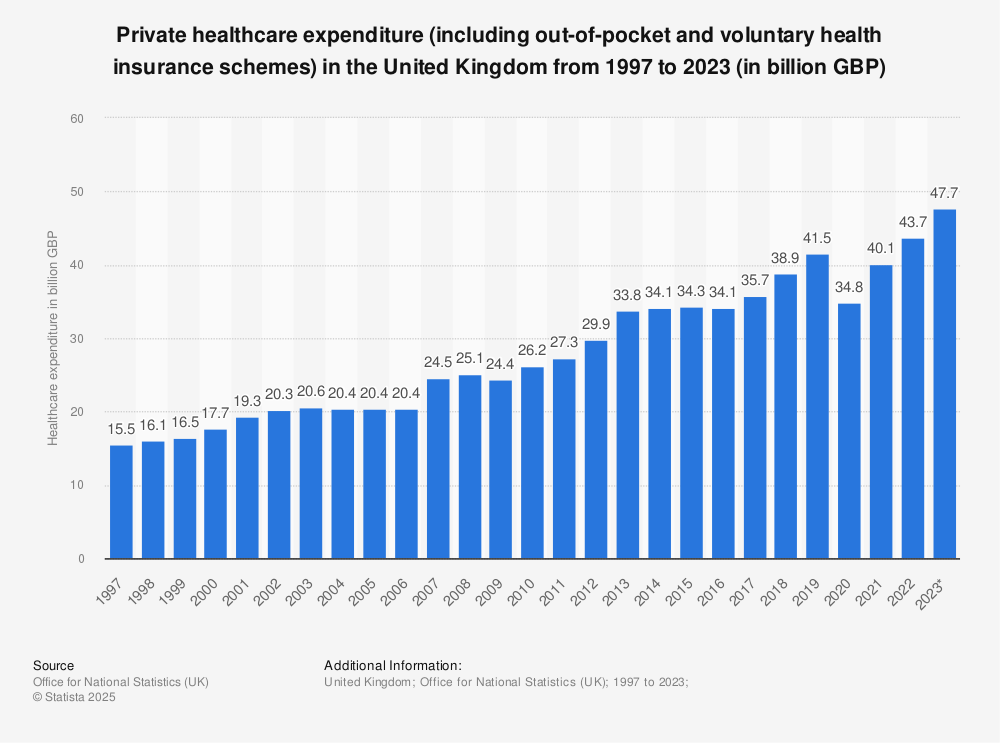
In today’s competitive healthcare landscape, understanding your patient acquisition cost has become the cornerstone of sustainable practice growth across the UK. With private healthcare spending reaching unprecedented levels and digital marketing transforming patient behaviour, medical professionals can no longer afford to operate without precise acquisition metrics.
At the heart of successful private practice management lies a fundamental question: how much does it actually cost to acquire a new patient, and how can this investment drive long-term practice success? The answer is far more complex than most healthcare professionals realise, particularly when navigating the unique challenges of the UK healthcare market.
Why Patient Acquisition Cost Matters More Than Ever
The healthcare landscape has fundamentally shifted since 2020. Research indicates that 30% of patients changed providers in 2021, up from 26% in 2017, primarily due to frustration with digital tools, communication difficulties, and service quality. This unprecedented patient mobility presents both challenges and opportunities for private healthcare providers.
Unlike general businesses, medical practices operate within a highly regulated environment where patient acquisition strategies must balance commercial effectiveness with strict professional standards. The average patient acquisition cost varies dramatically across specialties, ranging from £155 for pediatrics to £610 for cosmetic surgery, highlighting the importance of specialty-specific acquisition strategies.
Modern patients expect Amazon-level digital experiences from their healthcare providers. They research “knee replacement surgeon near me” at 11 PM, compare providers on their smartphones, and book appointments through online portals—all before their GP knows they’re considering treatment. This shift demands sophisticated attribution tracking and multi-channel marketing strategies that many practices struggle to implement effectively.
Patient Acquisition Cost Benchmarks by Specialty
Understanding industry benchmarks provides crucial context for evaluating your practice’s performance. Based on comprehensive data from UK healthcare marketing agencies, here are the current patient acquisition costs across major specialties:
High-Value Specialties:
- Cosmetic/Plastic Surgery: £610
- Neurology: £582
- Cardiology: £577
- Orthodontics: £520
Mid-Range Specialties:
- Dermatology: £441
- Allergy/Immunology: £412
- Endocrinology: £393
- Naturopathic: £390
Cost-Effective Specialties:
- Pediatrics: £155
- General Practice: £203
- Podiatry: £216
- Family Practice: £277
These variations reflect multiple factors including treatment complexity, patient lifetime value, market competition, and typical consultation fees. Practices charging £150 per consultation naturally face higher acquisition costs than those charging £50, following established marketing principles.
Channel-Specific Acquisition Costs: Where to Invest Your Budget
The choice of marketing channel dramatically impacts patient acquisition costs. Recent UK data reveals significant cost variations across different marketing approaches:
Digital Channels:
- Local SEO: £32
- Organic Search (SEO): £215
- Paid Search (PPC): £342
- Social Media: £289-£291
- Video/YouTube Marketing: £353
Traditional Channels:
- Direct Mail: £240
- Radio Advertising: £380
- Traditional Referrals: £394
- TV Advertising: £461
- Outdoor Advertising: £412
The data clearly demonstrates that digital strategies consistently outperform traditional approaches in terms of cost efficiency. Local SEO emerges as the most cost-effective channel, delivering new patients at just £32 per acquisition—nearly 12 times more efficient than traditional referrals.
UK Healthcare Marketing Budget Realities
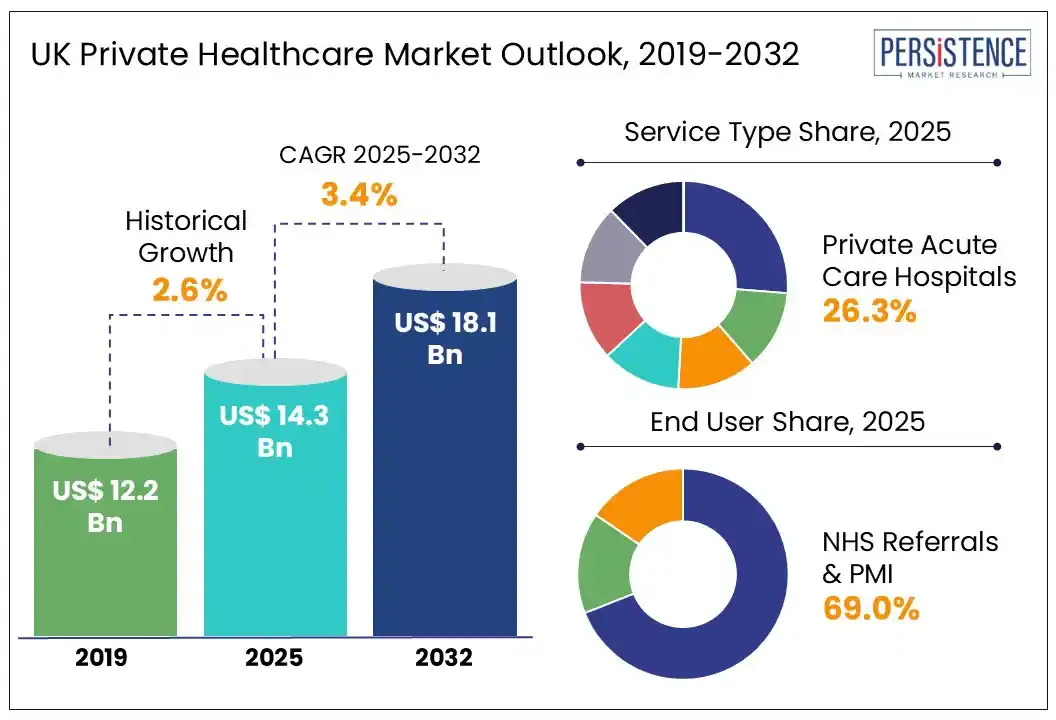
Private healthcare practices in the UK face unique budgetary constraints when planning their marketing investments. Recent survey data reveals that 62% of practices spend 1-5% of revenue on marketing, with spending patterns varying significantly by practice size and location.
Regional Variations: London-based practices consistently spend more than their counterparts in other regions, with consultation fees ranging from £1.20 to £15.00 for PPC advertising alone. Harley Street specialists command the highest acquisition costs at £15.00 per click, reflecting both premium positioning and intense competition.
Practice Size Impact:
- Solo practitioners: £2,000-£8,000 monthly (2-5% of revenue)
- Small groups (2-5 physicians): £5,000-£15,000 monthly (3-6% of revenue)
- Large medical groups: £15,000-£50,000+ monthly (4-8% of revenue)
Successful practices typically invest 6-12% of gross revenue in comprehensive digital marketing, while average practices spend only 2-4%, creating a significant investment gap that explains varying growth rates across the industry.
The Hidden Costs of Patient Acquisition
Beyond direct marketing spend, patient acquisition encompasses numerous hidden costs that practices often overlook:
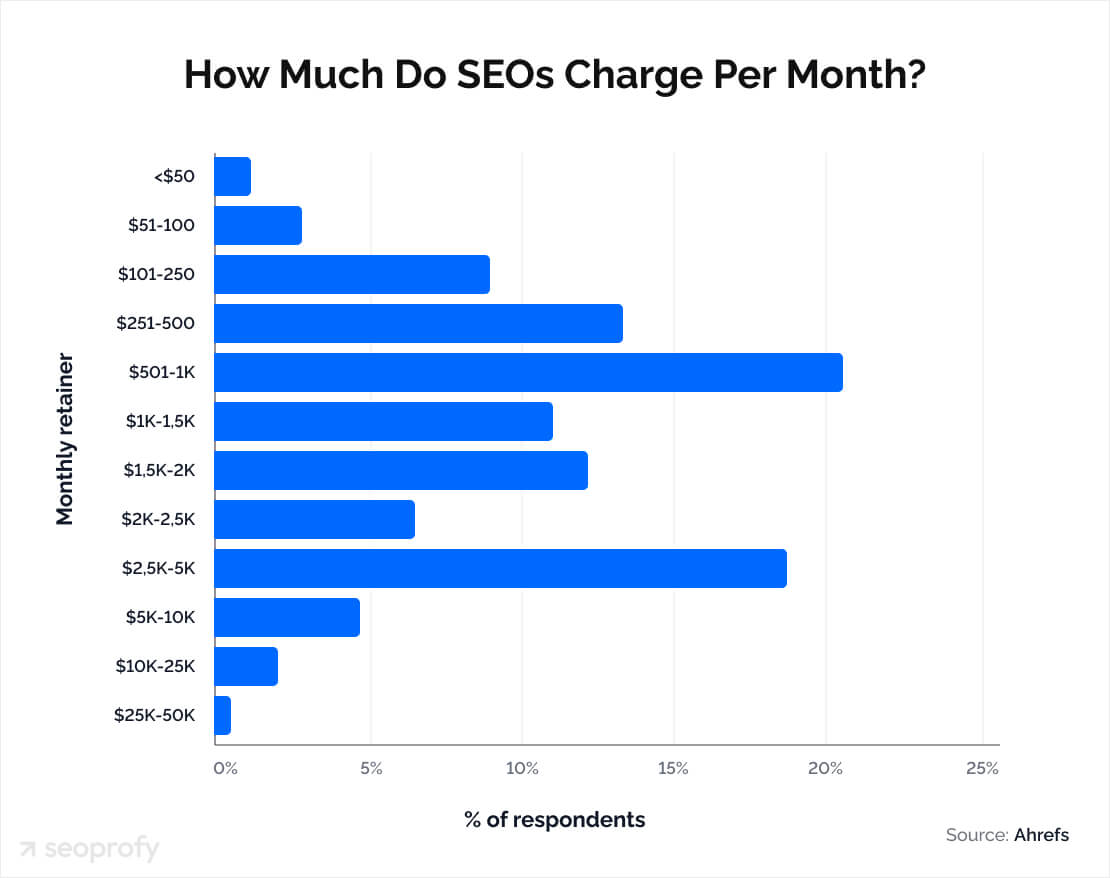
Technology Infrastructure: SEO tools and analytics platforms cost £500-£2,000 monthly, while CRM integration with Electronic Health Records creates additional setup and maintenance expenses.
Staff Time Investment: Administrative staff frequently complete marketing activities between other duties, making true acquisition costs difficult to track. Staff fees for marketing-related activities can add £20,000-£50,000 annually to the true cost of patient acquisition.
Content Creation: High-quality healthcare content costs £0.08-£0.20 per word or £100-£300 for a 1000-word article. Given Google’s YMYL (Your Money or Your Life) standards for medical content, practices must invest in expert-level content creation to achieve search visibility.
Compliance and Legal Requirements: Healthcare marketing operates under strict regulatory frameworks including CQC standards, GDPR regulations, and medical advertising guidelines. Compliance costs, while difficult to quantify, significantly impact overall acquisition expenses.
Private vs NHS: The Patient Decision Matrix
Understanding why patients choose private healthcare over NHS services provides crucial insights for acquisition strategy development. Recent research identifies key decision factors that private practices can leverage:
Service Delivery Factors:
- Speed of Access: Private patients can be seen immediately rather than waiting weeks or months for NHS appointments
- Consultation Time: Private consultations allow substantially more time with doctors, improving communication and patient satisfaction
- Continuity of Care: Private practices offer consistent relationships with the same healthcare professionals
Quality Perception: While treatment outcomes remain similar between NHS and private care, patients perceive private healthcare as offering:
- More personalised attention
- Better facilities and equipment
- Greater control over treatment decisions
- Enhanced customer service experience
Economic Considerations: Approximately 10-12% of the UK population has private medical insurance, but many patients self-pay for specific treatments to avoid NHS waiting times. This creates acquisition opportunities for practices that can clearly communicate value propositions beyond clinical outcomes.
Optimising Your Patient Acquisition Strategy
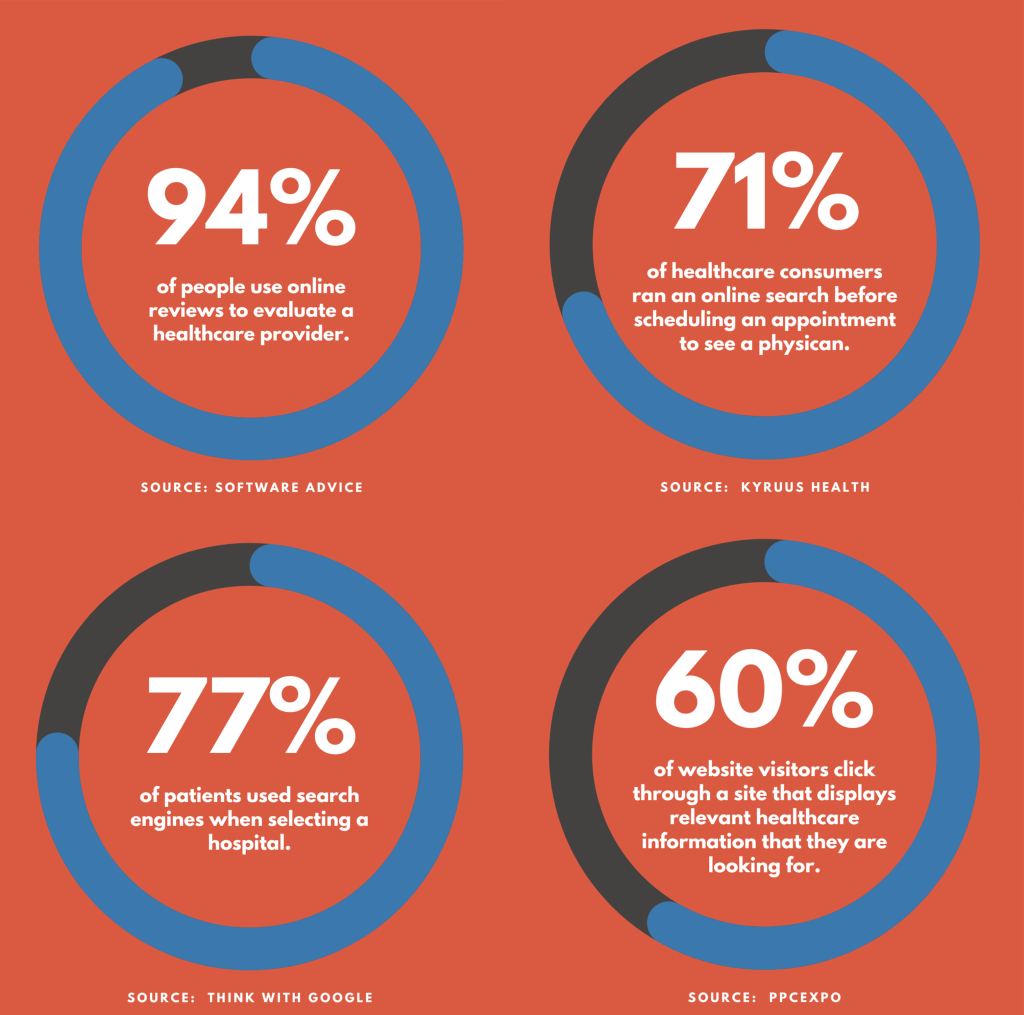
1. Digital-First Approach With 77% of patients beginning their healthcare research online, successful practices prioritise digital presence. This includes:
- Mobile-optimised websites with online booking
- Google Business Profile optimisation
- Local SEO targeting “near me” searches
- Patient review management systems
2. Multi-Channel Attribution Effective patient acquisition requires tracking patient journeys across multiple touchpoints. Modern patients may discover your practice through Google search, research you on social media, read reviews, and finally book through your website—all before their first appointment.
3. Lifetime Value Focus Rather than focusing solely on acquisition costs, successful practices optimise for patient lifetime value. A patient spending £200 per visit who returns quarterly for three years has a lifetime value of £2,400, justifying higher acquisition investments.
4. Conversion Rate Optimisation Small improvements in website conversion rates can dramatically impact acquisition costs. A/B testing landing pages, appointment booking processes, and contact forms often yields 10-30% improvements in lead conversion.
Technology and Tools for Cost Tracking

Accurate patient acquisition cost calculation requires sophisticated tracking systems:
Essential Tracking Components:
- Call tracking numbers for different marketing channels
- Form attribution through website analytics
- CRM integration with marketing platforms
- Multi-touch attribution software
Key Metrics to Monitor:
- Cost Per Lead (CPL): Average £25 for successful UK practices
- Lead-to-Patient Conversion Rate: 70% represents excellent performance
- Patient Lifetime Value: Critical for ROI calculations
- Channel Attribution: Understanding which touchpoints drive conversions
Future Trends in Healthcare Patient Acquisition
AI and Automation Integration Healthcare practices increasingly adopt AI-powered chatbots, automated appointment scheduling, and predictive analytics for patient acquisition. These technologies can reduce acquisition costs while improving patient experience.
Personalisation at Scale Advanced segmentation based on patient demographics, health conditions, and behaviour patterns enables highly targeted marketing campaigns with improved conversion rates and lower acquisition costs.
Video and Virtual Consultations The shift toward hybrid care models creates new acquisition opportunities, particularly for practices offering convenient virtual consultations alongside traditional in-person care.
Calculating Your True Patient Acquisition Cost
To determine your practice’s patient acquisition cost, use this formula:
Cost Per Lead ÷ Conversion Rate = Patient Acquisition Cost
For example, if your cost per lead is £25 and your lead-to-patient conversion rate is 70%, your patient acquisition cost equals £35.71. This means spending £700 on marketing should generate approximately 20 new patients.
Budget Planning Formula: If your average patient lifetime value is £500, those 20 new patients represent £10,000 in new business, delivering a 14:1 return on marketing investment—a healthy margin that supports sustainable practice growth.
Regulatory Considerations and Compliance
UK healthcare marketing operates within strict regulatory frameworks that impact acquisition strategies:
Professional Standards: GMC, GDC, and other professional bodies maintain specific guidelines for healthcare advertising. Non-compliance can result in professional sanctions and practice closure.
Data Protection: GDPR requirements add complexity to patient data collection and retention, affecting CRM systems and marketing automation platforms.
Advertising Standards: ASA regulations govern health claims in marketing materials, requiring practices to substantiate all promotional statements with clinical evidence.
Measuring ROI and Success Metrics
Successful patient acquisition extends beyond cost metrics to encompass:
Patient Satisfaction Scores: High satisfaction rates drive referrals and positive reviews, reducing future acquisition costs through organic growth.
Review Generation: With 72% of patients choosing doctors with 4-star reviews or higher, active review management significantly impacts acquisition effectiveness.
Referral Rate Tracking: While digital marketing drives new patient acquisition, referrals from existing patients remain cost-effective growth drivers. Successful practices balance both approaches.
Conclusion
Understanding and optimising patient acquisition costs represents a critical success factor for UK private healthcare practices in 2025. The data clearly demonstrates that digital-first strategies deliver superior cost efficiency compared to traditional approaches, while proper tracking and attribution enable data-driven investment decisions.
Practices that invest appropriately in patient acquisition—typically 6-12% of gross revenue—while implementing sophisticated tracking systems position themselves for sustainable growth in an increasingly competitive healthcare marketplace. The key lies not in minimising acquisition costs, but in optimising the relationship between acquisition investment and patient lifetime value to drive long-term practice success.
This guide is based on comprehensive research and industry data from leading healthcare marketing agencies and practices across the UK. For specific implementation strategies tailored to your practice, consider consulting with healthcare marketing specialists who understand the unique regulatory and competitive landscape of UK private healthcare.