Patient Acquisition Cost in Healthcare

Updated 20 September 2026: we have added a 2026 section on how the GLP-1 weight-loss clinic boom has reshaped patient acquisition cost benchmarks for private clinics in the UK.
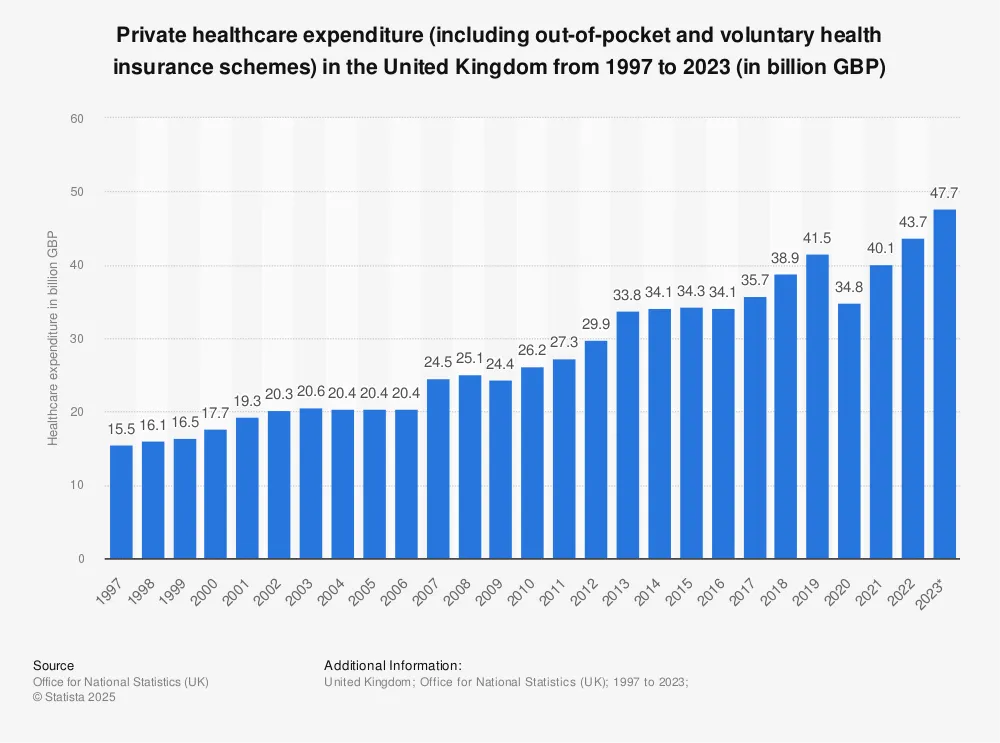
Every private practice needs to answer one question. How much does it cost to win a new patient, and how does that spend support long-term growth? This figure is your patient acquisition cost, sometimes called healthcare customer acquisition cost. The answer is more complex than most healthcare professionals realise, especially in the UK healthcare market.
Why Patient Acquisition Cost Matters More Than Ever
Healthcare has changed a great deal since 2020. Patients are more willing to switch providers when digital tools, communication or service quality fall short. This patient mobility brings both challenges and opportunities for private healthcare providers.
Unlike general businesses, medical practices work in a highly regulated environment. Patient acquisition must balance commercial results with strict professional standards. The average patient acquisition cost varies widely across specialties. It tends to be higher for complex, high-value specialties and lower for primary care, so your acquisition strategy needs to fit your specialty.
Modern patients expect Amazon-level digital experiences from their healthcare providers. They search “knee replacement surgeon near me” at 11 PM. They compare providers on their phones. They book through online portals, all before their GP knows they are considering treatment. This shift calls for solid attribution tracking and multi-channel marketing. Many practices struggle to put both in place.

Patient Acquisition Cost Benchmarks by Specialty
Benchmarks help you judge your own performance. In our experience, patient acquisition costs fall into broad bands across major specialties:
Higher-value, more complex specialties such as cosmetic and plastic surgery, neurology, cardiology and orthodontics usually cost more per new patient. Mid-range specialties such as dermatology, allergy and endocrinology sit in the middle. Primary care, family practice and paediatrics are usually the most cost-effective.
Several factors drive these variations. They include treatment complexity, patient lifetime value, market competition and typical consultation fees. Practices with higher consultation fees naturally face higher acquisition costs than those with lower fees. If enquiries for expensive treatments stall, read high price, low conversion.
Channel-Specific Acquisition Costs: Where to Invest Your Budget
Your choice of marketing channel has a large effect on patient acquisition cost. The cost differences between approaches are clear, although exact figures depend on your specialty and location:
Local SEO and patient referrals are usually the most cost-effective routes to new patients. Organic search, paid search and social media sit in the middle. Video, direct mail, radio, TV and outdoor advertising usually cost more per new patient and are harder to track.
The pattern is consistent: digital strategies usually outperform traditional approaches on cost efficiency. Local SEO is often the most cost-effective channel for private practices.
UK Healthcare Marketing Budget Realities
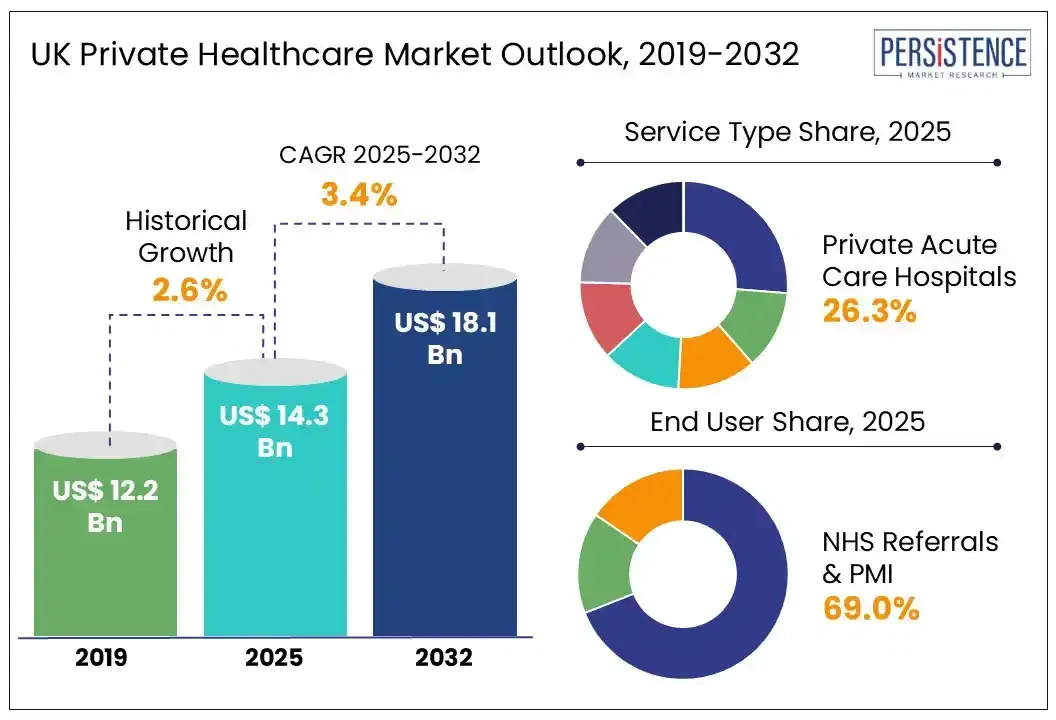
Private healthcare practices in the UK work within tight marketing budgets. Most spend only a small share of revenue on marketing. Spending varies a lot by practice size and location.
Regional Variations: London-based practices usually spend more than practices in other regions. PPC clicks in central London specialist categories tend to be expensive. This reflects both premium positioning and intense competition.
Practice Size Impact: Larger groups spend more in total. Smaller practices often spend a higher share of their revenue to get started.
Successful practices usually invest a higher share of revenue in comprehensive digital marketing than average practices do. This investment gap helps explain the different growth rates across the industry.
The Hidden Costs of Patient Acquisition
Patient acquisition also has hidden costs beyond direct marketing spend. Practices often overlook them:
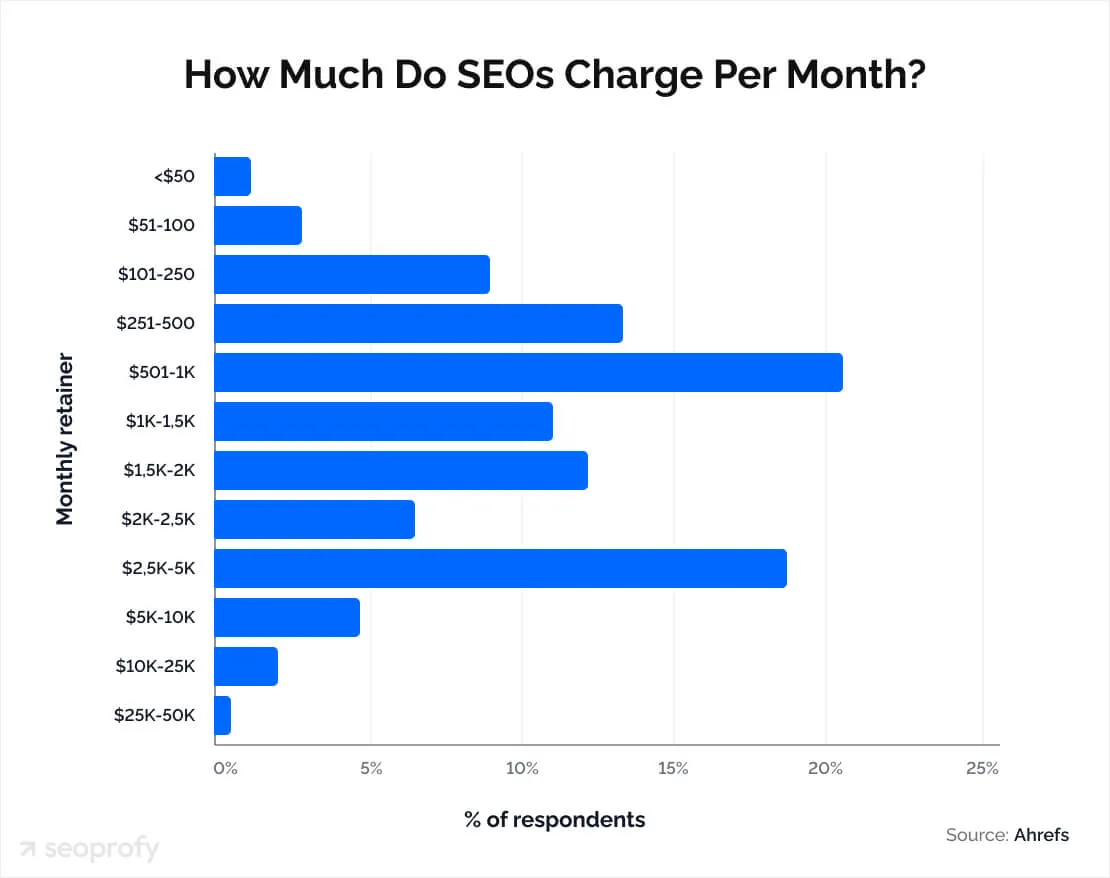
Technology Infrastructure: SEO tools and analytics platforms carry a monthly cost. Linking your CRM to Electronic Health Records adds setup and maintenance costs.
Staff Time Investment: Administrative staff often do marketing tasks between other duties. This makes true acquisition costs hard to track. Staff fees for marketing activities can add a meaningful amount to the true cost of patient acquisition.
Content Creation: High-quality healthcare content costs more than generic copy because it needs expert input and review. Google's guidance on creating helpful, reliable content applies YMYL (Your Money or Your Life) standards to health topics, which must be highly accurate and consistent with expert consensus. Practices must therefore invest in expert-level content to achieve search visibility.
Compliance and Legal Requirements: Healthcare marketing follows strict rules, including CQC standards, GDPR and medical advertising guidelines. Compliance costs are hard to quantify, but they add noticeably to overall acquisition expenses.
Private vs NHS: The Patient Decision Matrix
It helps to understand why patients choose private healthcare over NHS services. Common decision factors that private practices can build on include:
Service Delivery Factors:
- Speed of Access: Private patients can often be seen much sooner, while the NHS maximum for non-urgent consultant-led treatment is 18 weeks
- Consultation Time: Private consultations allow much more time with doctors, which improves communication and patient satisfaction
- Continuity of Care: Private practices offer a steady relationship with the same healthcare professionals
Quality Perception: Patients often perceive private healthcare as offering:
- More personalised attention
- Better facilities and equipment
- Greater control over treatment decisions
- Enhanced customer service experience
Economic Considerations: Only a minority of people in the UK have private medical insurance, and many other patients self-pay for specific treatments to avoid NHS waiting times. This creates opportunities for practices that clearly explain their value beyond clinical outcomes.
Optimising Your Patient Acquisition Strategy
1. Digital-First Approach With many patients beginning their healthcare research online, successful practices put their digital presence first. This includes:
- Mobile-optimised websites with online booking
- Google Business Profile optimisation
- Local SEO targeting “near me” searches
- Patient review management systems
2. Multi-Channel Attribution Effective patient acquisition means tracking patient journeys across several touchpoints. A patient may find you through Google, research you on social media and read your reviews. They then book through your website, all before their first appointment.
3. Lifetime Value Focus Successful practices look beyond acquisition costs and optimise for patient lifetime value. For example, a patient who spends £200 per visit and returns quarterly for three years has a lifetime value of £2,400 (an illustrative figure). That justifies a higher acquisition investment.
4. Conversion Rate Optimisation Small gains in website conversion rates can change acquisition costs a great deal. A/B testing landing pages, booking processes and contact forms often improves lead conversion.
Technology and Tools for Cost Tracking

Accurate patient acquisition cost calculation needs good tracking systems:
Essential Tracking Components:
- Call tracking numbers for different marketing channels
- Form attribution through website analytics
- CRM integration with marketing platforms
- Multi-touch attribution software
Key Metrics to Monitor:
- Cost Per Lead (CPL): the average cost of each enquiry, tracked by channel
- Lead-to-Patient Conversion Rate: the share of enquiries that become booked patients
- Patient Lifetime Value: Critical for ROI calculations
- Channel Attribution: Understanding which touchpoints drive conversions
Future Trends in Healthcare Patient Acquisition
AI and Automation Integration More practices now use AI-powered chatbots, automated appointment scheduling and predictive analytics for patient acquisition. These tools can reduce acquisition costs while improving patient experience.
Personalisation at Scale Segmenting by patient demographics, health conditions and behaviour lets you target campaigns closely. This can improve conversion rates and lower acquisition costs.
Video and Virtual Consultations The move to hybrid care creates new acquisition opportunities. This is especially true for practices that offer virtual consultations alongside in-person care.
Calculating Your True Patient Acquisition Cost
To determine your practice’s patient acquisition cost, use this formula:
Cost Per Lead ÷ Conversion Rate = Patient Acquisition Cost
As an illustration only, if your cost per lead is £25 and your lead-to-patient conversion rate is 70%, your patient acquisition cost equals £35.71. This means spending £700 on marketing should generate approximately 20 new patients.
Budget Planning Formula: Say, for illustration, your average patient lifetime value is £500. Those 20 new patients then represent £10,000 in new business. That is a 14:1 return on marketing investment, a healthy margin that supports sustainable practice growth. To run the same sum with your own numbers, use our healthcare marketing ROI calculator.
Regulatory Considerations and Compliance
UK healthcare marketing follows strict regulations, and these shape your acquisition strategy:
Professional Standards: GMC, GDC and other professional bodies set specific guidelines for healthcare advertising. Non-compliance can lead to professional sanctions and practice closure.
Data Protection: GDPR makes patient data collection and retention more complex. This affects CRM systems and marketing automation platforms.
Advertising Standards: ASA rules govern health claims in marketing materials. The CAP Code's rules on health and medical claims require objective claims to be backed by evidence, so practices must be able to substantiate what they promote.
Measuring ROI and Success Metrics
Successful patient acquisition goes beyond cost metrics. Also track:
Patient Satisfaction Scores: High satisfaction drives referrals and positive reviews. Both reduce future acquisition costs through organic growth.
Review Generation: With many patients preferring providers with strong reviews, active review management has a real effect on acquisition.
Referral Rate Tracking: Digital marketing drives new patient acquisition. Referrals from existing patients remain a cost-effective source of growth. Successful practices balance both.
Conclusion
Understanding and optimising patient acquisition cost is critical for UK private healthcare practices in 2025. Experience shows that digital-first strategies are usually more cost-efficient than traditional approaches. Good tracking and attribution then let you make investment decisions based on evidence.
Practices that invest appropriately in patient acquisition are set up for steady growth. That means investing a sensible share of revenue, plus good tracking. The aim is not to minimise your patient acquisition cost. The aim is to get the balance right between acquisition spend and patient lifetime value.
This guide reflects general experience from healthcare marketing agencies and practices across the UK. Costs vary by specialty, location and market. For a strategy tailored to your practice, speak to healthcare marketing specialists. Choose people who understand UK private healthcare regulation and competition.
2026 update: how the GLP-1 clinic boom has moved patient acquisition cost
The biggest shift in UK private clinic patient acquisition since we first published this article is the GLP-1 weight-loss category. Semaglutide and tirzepatide clinics have entered the market at pace. That has changed the economics of paid acquisition for neighbouring categories too. We are not going to invent numbers here, but the direction of travel is clear.
Auction pressure has risen. GLP-1 clinics compete for a narrow set of high-intent Google and Meta keywords. Their willingness to bid aggressively has pulled cost-per-click higher across weight, endocrinology, women's health and general practice terms. Many clinics we speak to have watched their cost-per-lead climb even though their creative and landing pages have not changed. That is auction inflation, not a broken funnel.
Consent and privacy rules have tightened too. The ASA and MHRA have both been active on GLP-1 advertising, and platforms are enforcing more carefully. Paid social campaigns now need clinician review, disclaimers and evidence-led copy. All of this slows launch and raises the true cost of a compliant lead.
The clinics we see winning are doing three things. They are building organic and AI-search visibility so they do not depend entirely on paid auctions. They treat the initial consultation as the real conversion, not a form fill. They measure cost per consultation attended. And they segment by lifetime value. That way a repeat GLP-1 patient is not compared with a one-off aesthetic patient. See our related guide on patient acquisition beyond PPC for how to build that mix.
Frequently asked questions
How do you calculate patient acquisition cost?
Divide your cost per lead by your lead-to-patient conversion rate. As an illustration only, a cost per lead of £25 with a 70% conversion rate gives a patient acquisition cost of £35.71. Use your own figures, tracked by channel, to get a reliable number.
Which marketing channels usually give the lowest patient acquisition cost?
Local SEO and patient referrals are usually the most cost-effective routes to new patients. Organic search, paid search and social media sit in the middle. Video, direct mail, radio, TV and outdoor advertising usually cost more per new patient and are harder to track.
Exact figures depend on your specialty and location.
Why does patient acquisition cost vary between specialties?
Treatment complexity, patient lifetime value, market competition and typical consultation fees all play a part. Higher-value specialties such as cosmetic and plastic surgery usually cost more per new patient, mid-range specialties such as dermatology sit in the middle, and primary care is usually the most cost-effective.
What hidden costs should be included in patient acquisition cost?
Technology such as SEO tools, analytics and CRM integration, staff time spent on marketing between other duties, expert content creation and review, and compliance with CQC standards, GDPR and medical advertising guidelines. These are easy to overlook but add to the true cost.



Further reading
Related guides from Pulse Digital Health
- 10 Ways to Attract New Patients to Your Practice GuideConsulting
- A Private Equity Group Just Opened Nearby: Now What?Consulting
- AI for Private Clinics: Hype vs RealityConsulting
- See our healthcare consulting serviceService
- Healthcare SEO services for private clinicsService
- Healthcare website designService