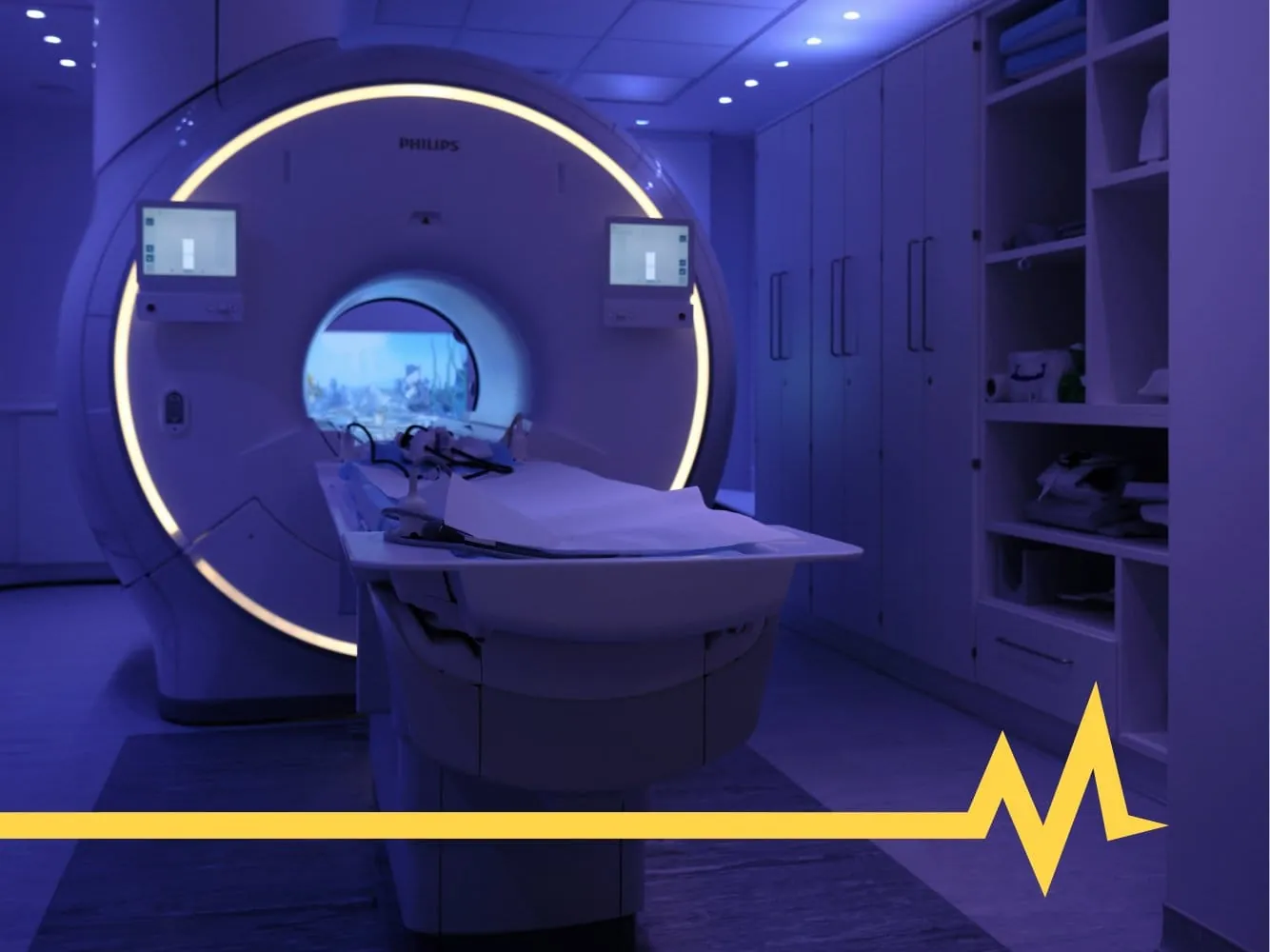
Cardiac diagnostics centre marketing has to explain tests that sound frightening: echocardiograms, stress tests, CT calcium scoring and heart rhythm monitoring. We help UK centres describe what each test involves, who refers and how results are explained, so patients book calmly.
Each has very different needs and levels of urgency. Some services are newly established and building their first referral base. Others are established centres managing high investigation volumes. For both, we build marketing that meets patients and cardiologists with clinical accuracy, reassurance and a clear path to booking.
Trusted by
About Us
Specialist Marketing Partners for Cardiac Diagnostics Centres
People search for a heart test for different reasons. Some have symptoms and a GP letter, some have a family history, some are athletes, and some want a health check after a worrying news story. Each wants to know what the test is, whether it hurts, how long it takes, who reads the result and when they will hear. We organise your site test by test, with these answers first.
Care is needed with screening language. The ASA and CAP Code require honest claims, and implying that a scan can rule out heart disease may mislead. Tests that use ionising radiation fall under specific safety regulations, and centres should show CQC registration and cardiologist qualifications. Prescription-only medicines used in stress testing are not advertised to the public. We design healthcare SEO, local profiles and website design and development to match. Check specifics with your regulator or legal adviser.
Referral is mixed. Cardiologists and GPs refer patients for tests, insurers authorise many diagnostics, and self-referral screening appeals to people who prefer to act early. Wait times for some NHS diagnostics can push people towards private options. Pulse Digital Health builds one route for referrers and one for self-referrers, so neither sees irrelevant instructions, and so both understand how reports reach their own doctor.
Marin BarganFounder
Case Study
Our closest published work in this specialty.
We only show work we have done. This study is the nearest match to this page from our published case studies, with the data source and date range for every figure.
Harley Street · Diagnostics centre
UME Health
Client
Private outpatient and diagnostics centre with dozens of visiting consultants
Specialty
Diagnostic imaging, cardiology, ENT, orthopaedics, gastroenterology and health assessments
Result
Harley Street diagnostics centre SEO: 119 pages in Google's top 10 and average position from 20.0 to 9.9 (Google Search Console, March 2025 to July 2026).
These are search visibility figures, not patient numbers.
How We Help Cardiac Diagnostic Centres Turn Symptom Searches Into Booked Tests
Discover
We list every test and who orders it
We catalogue each diagnostic you offer, who performs and reports it, how long it takes, how results are returned and what referral each needs. We then review how patients and referrers find these tests.
We check wording about screening and risk against ASA and CAP expectations, and note gaps such as missing reporting times or unclear preparation instructions.
Build
We build a page for each test and each audience
Each test page says what it measures in plain terms, how to prepare, what happens during the appointment, how long results take and who explains them. Cardiologist and physiologist profiles show qualifications. A referrer page lists forms, turnaround times and report formats.
A self-referral page explains what a screening result can and cannot tell a person.
Grow
We bring in bookings and referrals together
We build local and service search, tune Google Business Profile and use paid search for test and location terms with calm copy. Referrer outreach supports GP and consultant relationships. We track bookings by test, referral route and source, and monitor appointment utilisation so promotion follows spare capacity, not guesswork.
Cardiac diagnostics marketing guide
Last updated 1 November 2026
Cardiac Diagnostics Advertising Rules: CQC Scope, Radiation and Screening Claims
Echocardiograms, ambulatory ECG monitoring, exercise tests and cardiac CT all fall under CQC's diagnostic and screening procedures regulated activity in England. CT coronary angiography and calcium scoring also involve ionising radiation, so the Ionising Radiation (Medical Exposure) Regulations 2017 require each exposure to be referred by an entitled referrer and justified by a practitioner. A "book your heart scan" button cannot bypass that step; the site has to explain how justification happens.
Physiologists performing and reporting tests often hold registration through the professional bodies in the field, and echocardiographers may hold British Society of Echocardiography accreditation. Show these credentials. Under CAP Code rule 12.1, any suggestion that a test will rule out heart disease needs evidence; describe what each test measures and its limits instead. Home monitors and wearables are medical devices, so the ASA's guidance on medical devices applies to claims about them.
How People Search for Private Heart Tests
Cardiac diagnostic searches start with a symptom, a smartwatch alert or a GP's suggestion:
"heart palpitations test private" and "24 hour ECG near me"
"echocardiogram private cost"
"smartwatch says irregular heartbeat"
"CT calcium score UK" and "CT coronary angiogram private"
"chest pain when exercising test"
Symptom pages must include safety netting: chest pain at rest, collapse or breathlessness at rest need emergency care, not a booked test.
What a Cardiac Diagnostics Website Should Publish
People booking heart tests want clarity and speed:
Each test explained: what it shows, how long it takes, preparation and when results arrive.
Who reports the test, such as a consultant cardiologist or accredited physiologist.
Whether a referral is needed and whether the centre can arrange one.
Prices including the report, and the cost of a follow-up consultation if findings need discussion.
How results are shared with the patient's GP or consultant.
Sports clubs and endurance athletes also search for heart screening, and a page explaining what screening can and cannot show for active people serves that audience responsibly.
Common Mistakes on Cardiac Diagnostic Websites
Reviews of heart testing sites tend to find the same gaps:
Selling "complete heart checks" without saying which tests are included or what they cannot detect.
Offering CT-based tests for direct booking without explaining referral and justification under IR(ME)R.
No explanation of what happens if a result is abnormal, or how quickly a cardiologist will review it.
Symptom pages without clear advice on when to call 999.
Referral and Self-Pay Routes Into Cardiac Testing
GPs with long NHS waits, private cardiologists without their own equipment, insurers and occupational health providers all buy cardiac tests. A referrer portal or simple form, with turnaround times, is often worth more than consumer advertising.
Self-pay patients need a clinician-led triage step to choose the right test. If a test shows signs of heart failure or cardiomyopathy, explain the onward route, for example to a specialist heart failure clinic.
Worked Example: Growing GP Referrals for Ambulatory ECG Monitoring
Illustration only, not a client result. Imagine a centre with spare capacity for Holter and event monitoring.
Create a GP referral page listing monitoring durations, how devices are fitted and returned, and report turnaround.
Publish a palpitations guide for patients, reviewed by a cardiologist, that explains which monitor suits which pattern of symptoms.
Add online booking for self-pay patients that includes a short clinical questionnaire reviewed before the appointment.
Measure referrals by practice each month to see where awareness is growing.
Cardiac Diagnostics Marketing Services: SEO, Referrer Pages and Booking
Support for standalone cardiac diagnostic centres, hospital cardiology departments offering private testing, mobile screening services and cardiology practices that run in-house echo, ECG and imaging.
Real clinics, consultants and healthcare groups trust us with their growth. Here is what they say about working with the Pulse Digital Health team.
Marin and the team at Pulse Digital Health have been instrumental in supporting Gentle Procedures UK as we establish and grow the brand in the UK market. From the outset, Marin has demonstrated a clear understanding of our vision and has worked collaboratively with us to bring this to life. His approach is proactive, structured, and highly knowledgeable, particularly in areas such as SEO, digital strategy, and brand positioning within healthcare. He communicates clearly, keeps projects moving forward, and consistently provides practical guidance that adds real value. What stands out most is his ability to translate complex digital concepts into clear, actionable steps, making the process straightforward and efficient. The quality of work delivered has been excellent, and we feel confident in the direction and growth of our brand as a result. We would highly recommend Marin and Pulse Digital Health to any healthcare organisation looking to build or scale their digital presence.
I just want to say a massive thank you to Marin and his team at Pulse Digital Health. I've worked with multiple marketing agencies in the past, and I can confidently say that Marin is the most responsive, expert and generally fun person to work with that I have experienced. In particular, he is a complete expert at developing websites that actually work rather than just look pretty. He is also extremely organised in his approach to SEO and it is already getting results. I never have to chase him as he delivers on time, which in itself is a godsend. I look forward to our meetings each time, always interesting, always moving forward, always positive. I have no hesitation in recommending his services. An expert, always on time, fun to work with.
Working with Marin and his team has been a pleasure. Marin took the time to understand our brand, goals, and audience, to help deliver content to bring awareness to our clinic and strengthen trust in our services. Since working with them, we've seen a noticeable increase in overall online visibility. The team's professionalism, creativity, and responsiveness set them apart.
Marin and his team have been fantastic from the start. They completely understand my vision for my professional website and proactively anticipate the next steps to ensure its success. Their professionalism and accuracy are exceptional, and I highly recommend their services.
Frequently Asked Questions About Healthcare Marketing for Cardiac Diagnostics Centres
Don't hesitate to reach out if you have any questions. Contact us today.
01Can we offer heart screening to people without symptoms?
Many centres do, but wording needs care. Explain what the test looks for, its limits, and that a normal result does not guarantee future health. The ASA and CAP Code require claims to be honest and substantiated, and screening can lead to incidental findings and follow-up.
Clinical sign-off and legal advice are sensible before publication.
02How should we describe tests that use radiation?
Say plainly that the test uses a low level of radiation, where applicable, who decides it is justified and how safety is managed. Do not downplay or alarm. Such tests fall under specific regulations, and your radiation protection adviser should approve the wording.
Clear explanations also help patients who are anxious about scans.
03Do GPs and consultants refer to private diagnostic centres?
Yes, for faster access or when a patient has insurance or chooses to pay. Referrers want clear forms, quick turnaround and reports they can use. A dedicated page with contacts and sample report layouts helps. We track which referrers book and adjust outreach accordingly. Include your typical reporting time.
04What do patients ask most before a stress test?
They ask what it feels like, whether they must exercise, what to wear and eat and whether it is safe. Answer these on the page in plain language, with a note that the team will tailor the test to the person. Avoid naming medicines for promotion.
A calm, practical tone reduces cancellations.
05How do insurers affect diagnostic bookings?
Insurers often authorise tests when a doctor refers and the policy covers it. Patients should check with their insurer first. Provide an insurer information page, list the codes or details your team can supply and avoid promising cover. This reduces billing disputes and phone queries.
06Is there seasonality in heart test enquiries?
Interest often rises after new year, around awareness campaigns and after high-profile news about heart events. We plan content ahead of these peaks, but we avoid exploiting fear. Capacity is checked first, so promotion never creates a queue the centre cannot serve. We also avoid fear-based campaign wording.
07How do you measure success for a diagnostic centre?
We track bookings by test, referral source, attendance and appointment utilisation, plus how long reports take to reach referrers. We report monthly in plain English, with notes on which pages are driving appointments. If a test is under-used, we look at both the page and the referral route.
We use strictly necessary cookies to make the site work. With your permission we also use analytics cookies to improve it and marketing cookies to measure our own advertising. Read our Cookie Policy.