Low Vision and Vision Rehabilitation Clinics Marketing Agency
Marketing Built For Low Vision and Vision Rehabilitation Clinics
We help low vision and vision rehabilitation clinics turn condition-specific patient searches into booked assessments and long-term care relationships. Low vision assessment, magnifiers and assistive technology, rehabilitation and independence training, support for macular degeneration, glaucoma and diabetic eye disease each bring patients with profoundly different needs and frustrations. From newly established low vision services building their first private patient pipeline to established clinics managing complex sight loss caseloads, we build the marketing infrastructure that meets these patients with clinical precision, reassurance and a clear path to booking.
Trusted by
About Us
Specialist Marketing Partners for Low Vision and Vision Rehabilitation Clinics
At Pulse Digital Health, we work exclusively in healthcare, and within that, we understand that low vision and vision rehabilitation is a highly specialist and life-changing field, too often misrepresented by generalist marketing agencies that lack the clinical knowledge to communicate your services with the accuracy they demand. Low vision and vision rehabilitation clinics occupy a precise and trust-sensitive patient landscape. You are simultaneously reaching people adjusting to sight loss, families supporting a relative who is losing their vision, patients referred from ophthalmology, and those weighing the difference between being told nothing more can be done and practical rehabilitation.
Our team has deep experience in healthcare SEO for specialist clinical services, Google Ads for low vision and sight loss, Meta advertising within healthcare platform policies, and healthcare web design and development built specifically to convert patients adjusting to sight loss into booked assessments, with accessibility at the core. We understand the Health and Care Professions Council and General Optical Council registration requirements for low vision specialists and the ASA and CAP guidelines governing private healthcare advertising.
Every campaign we run and every page we build reflects that clinical understanding. Pulse Digital Health works with low vision and vision rehabilitation clinics across the UK and beyond, from solo specialists to multidisciplinary sight loss services and specialist rehabilitation practices, building digital strategies that deliver consistent and measurable growth.
Marin BarganFounder
Case Studies
Recent projects built for growing private clinics.
At Pulse Digital, we're proud to partner with clinics and healthcare brands that trust us with their digital journey. Every project shows how smart, patient-focused strategies drive real growth, real patients and real results.
Rebuild + healthcare SEO; enquiries up 3× in six months.
How We Help Low Vision and Vision Rehabilitation Clinics Grow
Discover
We map your services and patient pathways
Before any campaign goes live, we audit your clinical scope across low vision assessment, magnifiers and assistive technology, rehabilitation and independence training, support for macular degeneration, glaucoma and diabetic eye disease, lighting and home adaptation advice, emotional support and onward referral, and ongoing review. We pull data on condition and service-level search demand, the private versus NHS and charity provision in your area, competitor positioning from optical and sight loss services, and the trust signals that drive enquiries.
Build
We build the digital infrastructure
Accessible service pages with clear descriptions of how low vision is assessed and what rehabilitation offers, the difference between treatment and practical support to live well with sight loss, what patients should expect, and reassuring information for those told nothing more can be done. Separate content tracks for newly diagnosed patients and for those living with long-term sight loss, with the appropriate tone and call to action for each. Specialist authority pages with HCPC or GOC registration details and areas of expertise.
Grow
We turn patient searches into booked assessments
We scale acquisition through Google Ads built around condition and service queries, with separate campaigns for high-intent searches such as private low vision assessment and magnifiers, high-value services like comprehensive rehabilitation, and longer-consideration pathways such as ongoing support. We add Meta advertising for families earlier in their awareness and research phase, retargeting across the typical decision cycle, and reputation management work that surfaces specialist credibility and patient outcomes at the moment a booking decision is made.
Services That
Make Healthcare Click for Low Vision and Vision Rehabilitation Clinics
Pulse Digital Health provides a full suite of digital marketing services tailored to the unique needs of dermatology practices. Our services are designed to work together, creating a seamless patient journey from online search to appointment.
We build the same rigorous, compliant marketing programmes across adjacent specialties. Whether you run a group or work alongside these disciplines, our approach scales.
Trusted by leading clinics and consultants across the UK and beyond
Real clinics, consultants and healthcare groups trust us with their growth. Here is what they say about working with the Pulse Digital Health team.
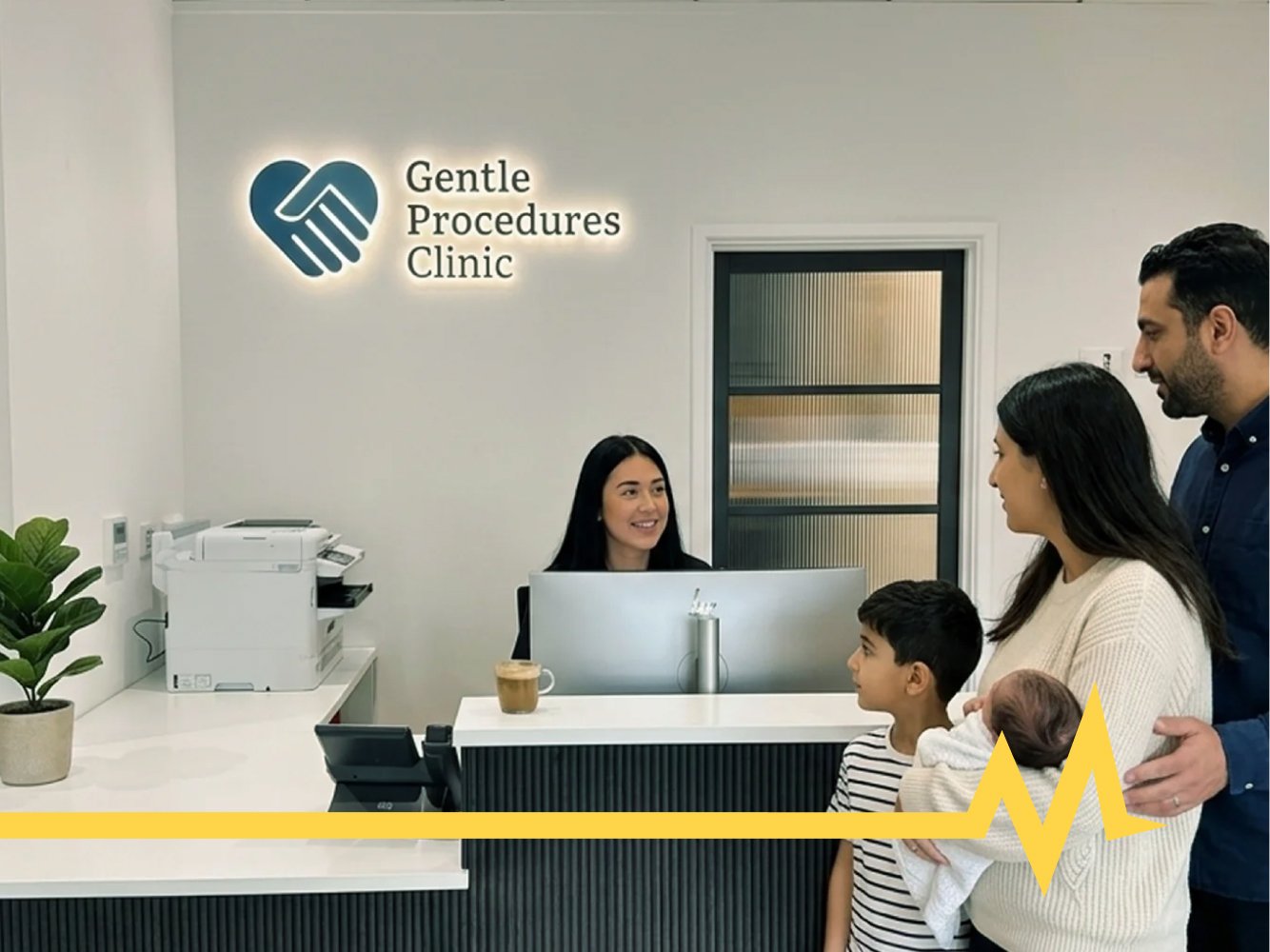
Marin and the team at Pulse Digital have been instrumental in supporting Gentle Procedures UK as we establish and grow the brand in the UK market. From the outset, Marin has demonstrated a clear understanding of our vision and has worked collaboratively with us to bring this to life. His approach is proactive, structured, and highly knowledgeable, particularly in areas such as SEO, digital strategy, and brand positioning within healthcare. He communicates clearly, keeps projects moving forward, and consistently provides practical guidance that adds real value. What stands out most is his ability to translate complex digital concepts into clear, actionable steps, making the process straightforward and efficient. The quality of work delivered has been excellent, and we feel confident in the direction and growth of our brand as a result. We would highly recommend Marin and Pulse Digital to any healthcare organisation looking to build or scale their digital presence.
Emma FitzsimmonsCEO · Gentle Procedures UK
I just want to say a massive thank you to Marin and his team at Pulse Design. I've worked with multiple marketing agencies in the past, and I can confidently say that Marin is the most responsive, expert and generally fun person to work with that I have experienced. In particular, he is a complete expert at developing websites that actually work rather than just look pretty. He is also extremely organised in his approach to SEO and it is already getting results. I never have to chase him as he delivers on time, which in itself is a godsend. I look forward to our meetings each time, always interesting, always moving forward, always positive. I have no hesitation in recommending his services. An expert, always on time, fun to work with.
Dr Richard ShafferOwner · Dupuytren's UK
Working with Marin and his team has been a pleasure. Marin took the time to understand our brand, goals, and audience, to help deliver content to bring awareness to our clinic and strengthen trust in our services. Since working with them, we've seen a noticeable increase in overall online visibility. The team's professionalism, creativity, and responsiveness set them apart.
Katie McMillanMarketing Manager · UME Health
Marin and his team have been fantastic from the start. They completely understand my vision for my professional website and proactively anticipate the next steps to ensure its success. Their professionalism and accuracy are exceptional, and I highly recommend their services.
Dr Carla PernaClinical Oncologist · Genesis Healthcare
Marin and Pulse Digital was a pleasure to work with on improving our website's SEO. Marin communicated clearly throughout the process and made everything easy for us to understand. He not only delivered excellent results but also guided us through areas that were well outside our expertise. We're really grateful for his support and the quality of work he provided.
Geoff ScottOwner · Reload Clinics
I was first introduced to Pulse Digital in January 2025. What struck me immediately was that Marin was very personable and very knowledgeable and was able to guide us step by step to building our website. Pulse Digital thought about things that, quite honestly, we hadn't thought of. They are clearly a leading expert in this field, and we couldn't have done without them. Our meetings are always fun, and they never let us down. If Marin says he is going to do something, he does it.
Julie BuesnelPractice Manager · Spectrum Healthcare, Jersey
Exceptional service with seamless online delivery, a professional approach, and outstanding customer support.
Dr Christos MikropoulosClinical Oncologist · GenesisCare
Pulse for Good
Charities We Support to Build Healthier and Fairer Communities
As a digital agency working exclusively in healthcare, we partner with charities that improve access to care for the world’s most underserved communities.
TLMTI is the largest leprosy-focused NGO in India, working since 1874. In 2024 alone, their teams delivered nearly 100,000 consultations and thousands of reconstructive surgeries for people affected by leprosy and other neglected tropical diseases.
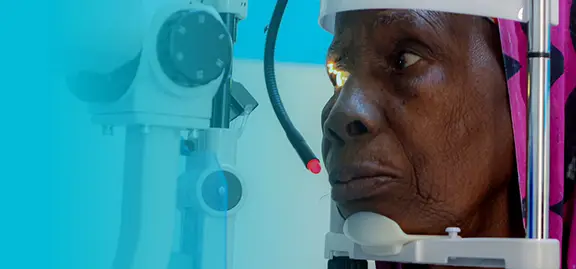
Embrace Relief’s Cataract Africa initiative delivers eye care to underserved communities across sub-Saharan Africa. Over 60,000 checkups and 3,700 cataract surgeries performed to date – restoring sight and changing lives.
AMF has funded over 283 million insecticidal nets, protecting around 450 million people and preventing an estimated 210,000 deaths – primarily protecting children under five and pregnant women.
Low Vision and Vision Rehabilitation Clinics Marketing FAQs
Frequently Asked Questions About Healthcare Marketing for Low Vision and Vision Rehabilitation Clinics
Don't hesitate to reach out if you have any questions. Contact us today.
01Do you work with newly launched low vision and vision rehabilitation clinics?
Yes, and we support new clinics through accessible brand identity, website build with comprehensive service and specialist content, opening paid campaigns and referrer outreach across ophthalmology, optometry and sight loss charities. The first six to nine months are critical for establishing specialist credibility, building visibility against NHS and charity provision and creating a reliable private patient pipeline for low vision care.
02How is low vision marketing different from general healthcare marketing?
Low vision and vision rehabilitation clinics face a unique competitive environment where specialist providers must position themselves clearly against limited NHS and charity provision, while reaching patients adjusting to sight loss and the families who support them. Accessibility, reassurance and the message that practical help is available matter enormously, especially for those told nothing more can be done. Effective low vision marketing requires a different tone, an accessible content architecture and a different paid media strategy to most other healthcare specialties, and the website itself must be usable for people with sight loss. We build strategies that address the newly diagnosed patient, the supportive family, the assistive-technology seeker and the long-term sight loss patient simultaneously.
03Can you help us promote both assessment and ongoing rehabilitation?
Yes. Low vision assessments are the most common entry point and, when marketed well, consistently bring new patients through the door who then go on to assistive technology and rehabilitation. We build dedicated content and paid campaigns for high-demand entry services like low vision assessments alongside longer-consideration pathways for rehabilitation, independence training and ongoing support, ensuring each service has its own appropriate messaging, accessible landing page and conversion pathway.
04How do you handle compliance and accessibility for low vision advertising?
We work within ASA and CAP guidelines for healthcare advertising and manage all Meta and Google Ads campaigns in line with their respective healthcare content policies, and we build websites to accessibility standards so people with sight loss can use them. We never overstate results or use messaging that cannot be substantiated. All content is written in line with Health and Care Professions Council and General Optical Council professional standards and the regulatory frameworks governing private healthcare advertising in the UK. Responsible, accurate and accessible patient communication is central to everything we produce.
05Can you help us compete with NHS and charity sight loss services?
Yes. Specialist private low vision clinics consistently outperform limited NHS and charity provision on speed of access, time spent with patients, breadth of assistive technology and a personalised relationship, but they are often invisible online. We build local and national SEO strategies, Google Business Profile optimisation and targeted paid campaigns that allow specialist clinics to rank and convert for the highest-intent searches. We position your clinical expertise, professional credentials and practical, hopeful approach as the clear differentiator for patients who want to live well with sight loss.
06Can you market individual specialists as well as the clinic brand?
Yes. In a field where trust, reassurance and the specialist relationship are central to a patient's choice and long-term retention, the individual specialist's qualifications, experience and areas of expertise are as commercially important as the clinic brand itself. We build specialist authority pages, manage their professional digital presence and integrate their HCPC or GOC registration, certifications and care philosophy into the clinic's wider SEO and paid media strategy, ensuring specialist credibility and clinic brand reinforce each other at every patient touchpoint.
07How long before we see results from low vision clinic marketing?
Google Ads campaigns targeting high-intent searches such as "private low vision assessment" or "low vision clinic near me" can generate qualified enquiries within the first two to four weeks of going live, provided the website and landing pages are accessible and well optimised for conversion. SEO across condition and service pages typically begins delivering meaningful organic enquiry growth within three to six months. Campaigns targeting longer-consideration families researching rehabilitation build momentum over four to six months and become a highly cost-effective acquisition channel over time.
08What does a typical engagement with Pulse Digital Health look like?
Most clients begin with an audit of their current digital presence across website, accessibility, SEO, paid advertising and content. From there we build a phased plan aligned to your clinical capacity and growth objectives, whether that is establishing a new patient pipeline for low vision assessments, scaling rehabilitation and assistive technology, growing referrals or managing growth across a multi-site sight loss service. We provide monthly reporting on the metrics that matter to a low vision clinic, from cost per booking through to service pathway conversion and patient lifetime value across all care streams.
Accelerate your clinic's growth.
Cookies on pulsedigital.health
We use strictly necessary cookies to make the site work. With your permission we also use analytics cookies to improve it and marketing cookies to measure our own advertising. Read our Cookie Policy.