New Clinic Marketing: What to Do Before You Open Your Doors
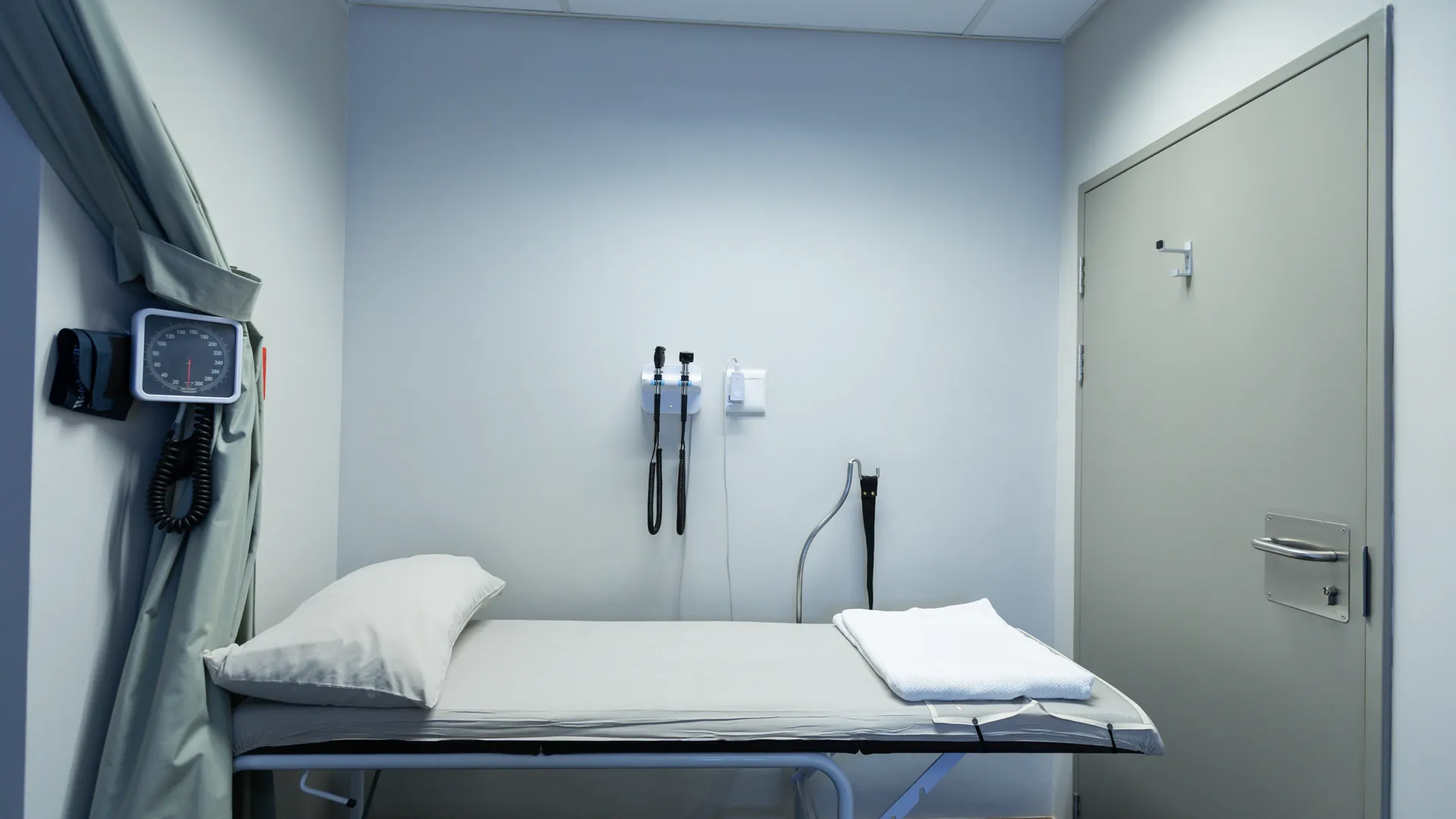
A team of consultant doctors was preparing to open a new clinic. Approvals were still coming through, the launch date was close, and the in-house marketing manager was about to leave. They needed a plan quickly, and they wanted patients booking from the first week.
New clinic marketing has a tricky feature: you must start before you can open. Here is the plan we suggested, and the order in which we would do things.
Start new clinic marketing earlier than you think
Marketing takes time to bear fruit. A website needs to be indexed by Google, ads need testing, and patients need to find you. If you wait until opening day to begin, the first weeks will be quiet. Start several weeks earlier, even if you cannot yet take bookings, so the groundwork is ready.
Put the website first
Your website is the base for everything else. Before spending a pound on ads, make sure it explains each service clearly, shows who the doctors are and gives patients an easy way to enquire. If it is not ready, ads will send people to a page that does not convince them. Our article on fixing your website before you advertise covers why this matters.
Use real photographs
Stock photos and computer-generated images can feel cold or fake. Patients want to see the real clinic, the real rooms and the real team. If the building is not finished, plan a photo session as soon as it is. Until then, use simple, honest images of the doctors rather than generic ones.
Set up Google Ads for immediate enquiries
Google Ads is the fastest way to start filling a new diary. Target each service within a sensible radius of the clinic, and keep the budget modest until you see results. Typical costs and returns vary, so measure your own, and adjust as you learn. Start with specific searches that match what you offer, and add negative keywords to avoid waste.
Build SEO for the long term
SEO takes months to show real results, so start early. Build a dedicated page for each service, with clear answers to patient questions. Write helpful articles, and complete your Google Business Profile as soon as you can. The sooner these are in place, the sooner Google begins to trust the site.
Keep social media in proportion
For medical services, social media rarely brings in patients directly. It works best as a way to keep the brand visible and share helpful information. A steady, modest presence is enough. Put the bulk of your effort and budget where patients actually look for care, which is search.
Plan around approvals
Final approvals from regulators and building teams can shift dates. Build some flexibility into your plan. Have ads and pages ready to switch on, and avoid promising an exact opening date until you are sure. If the date moves, you lose little. If you have promised something and cannot deliver, you lose trust.
Line up your team
If your marketing manager is leaving, agree who owns the plan and who answers enquiries. Patients expect quick, kind replies. Prepare a short script for common questions, agree opening hours for calls and set up a simple system to track every enquiry. A partner agency can take on the day-to-day work and free your team to run the clinic.
Prepare for the first weeks after opening
The first weeks are a test. Expect to learn which services get the most enquiries, which times patients prefer and which questions come up most. Review results weekly, adjust ads and pages quickly and ask early patients for honest feedback. Those lessons will shape your marketing far more than any pre-launch guess.
Do not neglect the patient experience
Marketing brings people to the door, but the experience decides whether they return and recommend you. Make sure phone answering, booking, reception and follow-up are ready and warm. A smooth first visit is your best advertisement. Word of mouth and reviews will do more for a new clinic than any ad.
Build a simple waiting list
Before opening, collect the names of people who want to hear when you launch, with clear consent. A short form on your website and a friendly message on your profile is enough. A waiting list gives you early patients, proves demand and lets you test your messages before you spend on ads.
Keep records from day one
Log every enquiry, its source and the result from the first week. Early records show which services attract interest, which messages work and where people drop out. They are far more useful than memory, and they make your first review meeting a conversation about facts, not opinions.
Set your first month's goals
Decide what a good first month looks like: a number of enquiries, a number of booked appointments and a target cost per booking. Write them down. Small, realistic goals keep the team focused and stop early results feeling like a failure. Review at the end of the month, adjust the plan and set a slightly higher goal for the next.
A simple pre-launch checklist
- Website live with a page for every service.
- Real photographs of the clinic and team.
- Google Business Profile complete and verified.
- Ads ready to launch, with tracking in place.
- SEO content plan agreed and first pages written.
- Team briefed on how to handle enquiries.
Our companion article on premium health check marketing covers how to explain a higher price. If you would like help with your launch, we are glad at Pulse Digital Health to talk it through.
Frequently asked questions
When should a new clinic start marketing?
Several weeks before opening. That gives time to build the website, set up tracking and let Google begin to index your pages. Write the plan backwards from your opening date, listing what must be ready at four, three, two and one week before you open. Working backwards keeps the plan realistic and shows what is urgent.
Should a new clinic use Google Ads or SEO first?
Usually both. Ads bring early enquiries while SEO builds lasting visibility over months. Use ads for early enquiries and SEO for lasting visibility, and start both as soon as your website and profile are ready. Both channels need time to build, so start them early.
How much should a new clinic spend on Google Ads?
It depends on the services and area. Start modestly, measure your own results and increase as you learn what works. Set a small test budget with a review date, and decide in advance what result would make you spend more. A small, time-limited test protects your budget while you learn.
Do I need real photos of my clinic on the website?
Yes, where possible. Real photographs build trust in a way that stock or generated images do not. Book a photo session as soon as rooms and equipment are ready, and use simple, honest portraits of the doctors until then. Real photographs of the real space are worth waiting for.
Is social media important for a new medical clinic?
It helps keep your brand visible, but it rarely brings in patients directly for medical services. Keep it modest and focus on search. Keep social media light and useful, and put most of your effort into search and your website, where patients look for care. Effort on search usually returns more than effort on social for medical services.
What if my opening date changes?
Build flexibility into your plan, keep ads and pages ready to switch on and avoid promising an exact date until you are sure. Keep pages and ads prepared so you can switch them on quickly if approvals arrive early, and avoid announcing a firm date until you are certain. Flexibility protects you if approvals move.