1. Home
  2. Allergy Immunology Clinics

Marketing Built For Allergy Immunology Clinics That Want To Grow

Marketing for a private allergy clinic has to separate evidence-based diagnosis from the confusing world of home tests. We help UK allergy and immunology consultants explain assessment, testing and follow-up clearly, and be found when families need a specialist.

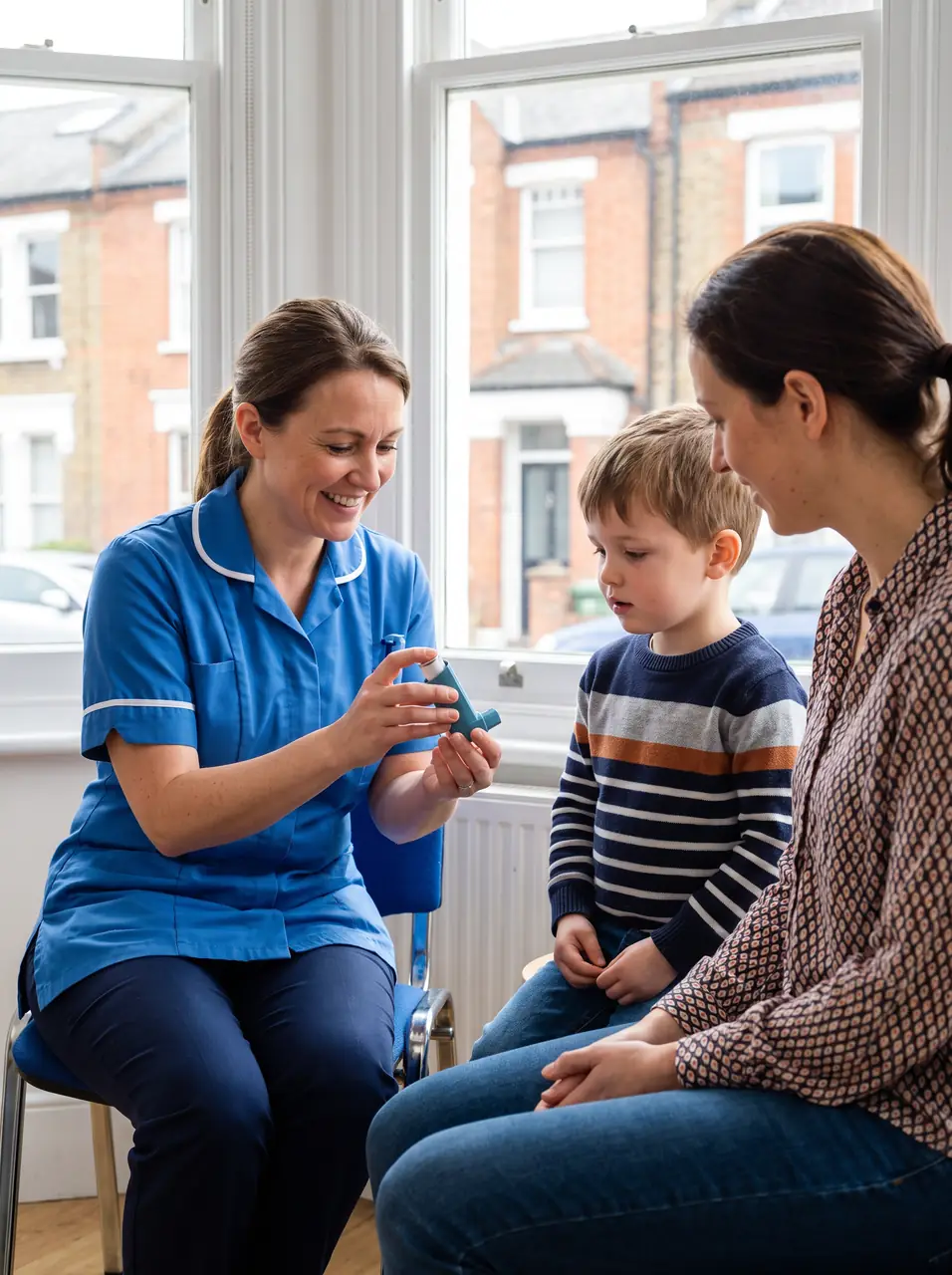
Nurse explaining an asthma inhaler to a patient and parent, allergy immunology

Trusted by

  • Dr Carla Perna
  • CheckPoint
  • Dupuytren's UK
  • Gentle Procedures UK
  • Harley Street Audiovestibular Clinic
  • Ergéa Clinics
  • UME Health

About Us

Specialist Marketing Partners for Allergy Immunology Clinics

Allergy searches come in waves. Hay fever questions rise in spring and summer, food allergy worries follow a reaction or a weaning milestone, and parents search after a school or nursery incident. Many patients arrive with a home test result they do not understand. The clinics that earn trust explain why a history comes before any test, what skin prick or blood testing involves and what the consultant will and will not conclude.

Claims need care. The ASA and CAP Code expect evidence, and some commercial food intolerance tests are widely criticised by allergy specialists, so wording must be accurate and not overstate what any test shows. Adrenaline auto-injectors and other prescription-only medicines cannot be advertised to the public under MHRA rules. Consultant registration and CQC registration belong on show. We build healthcare SEO, local profiles and website design and development accordingly. Check specifics with your regulator or legal adviser.

Referral patterns matter. Some patients come through a GP, some through insurers that require a referral letter, and many self-refer because NHS allergy services can be hard to reach in some areas. Immunology adds adult immune and recurrent infection work that has its own audience. Pulse Digital Health shapes your pages around these routes, so each visitor finds the right pathway without confusion.

Marin Bargan, founder of Pulse Digital Health
Marin BarganFounder

Case Studies

Our published case studies.

We have not published a case study in this specialty yet, so we do not show one here. Our published studies cover diagnostics, health assessments, oncology, audiovestibular medicine, men's health and specialist radiotherapy, each with its data source and date range.

Ask us on a free strategy call how the same approach would apply to your clinic.

Browse our healthcare marketing case studies

How We Help

How We Help Allergy and Clinical Immunology Clinics Reach Worried Parents and Adults

We map your services and the seasons that shape demand

Discover

We map your services and the seasons that shape demand

We list what you diagnose and manage, from food and drug allergy to hay fever, asthma overlap and immune conditions, and which tests you run in clinic. We then lay your calendar over search patterns: pollen season, back to school, holiday travel and weaning.

We also review claims and test descriptions for accuracy against CAP guidance and note where home-test confusion could be addressed in plain wording.

We build pages that explain testing honestly

Build

We build pages that explain testing honestly

Each condition page covers what a consultation involves, how history and examination guide testing, what skin prick or blood tests can and cannot show, and what follow-up looks like. A children's page explains how the clinic eases nerves. Consultant profiles show registration and experience.

A clear 'Do I need a test?' guide gives patients a sensible first step.

We keep the clinic visible all year

Grow

We keep the clinic visible all year

We plan content and local search around seasonal peaks, with paid search focused on assessment and location terms. Google Business Profile details are kept accurate. We track enquiries by condition, appointment type and referral route, and review which guides lead to booked consultations.

Capacity limits for challenge tests or paediatric slots are reflected on the site, so patients are not misled about waiting time.

Allergy clinic marketing guide

Last updated 1 November 2026

Allergy Testing Advertising: CAP Rules, NICE CG116 and BSACI

Allergy is a crowded market because unvalidated "intolerance" tests are sold online alongside genuine clinical allergy services. That makes accuracy the main competitive advantage. Under CAP Code rule 12.1 any claim that a test diagnoses an allergy must be supported by evidence, and the NHS explains that allergy tests are typically skin prick tests or blood tests, interpreted alongside the patient's history. A specialist clinic should say exactly which tests it uses and why history comes first.

NICE CG116 covers the assessment and diagnosis of food allergy in under 19s, and the British Society for Allergy and Clinical Immunology (BSACI) is the professional body for the specialty. Referring to the guidance your consultants follow, and naming whether they are GMC-registered allergists, immunologists or paediatricians, separates a clinical service from a kit seller.

How Parents and Adults Search for an Allergy Specialist

Queries are often triggered by a reaction or a long wait:

  • "private allergy clinic for children" and "paediatric allergist near me"
  • "food allergy testing private" and "skin prick test private"
  • "food challenge test" after an uncertain result
  • "hay fever immunotherapy" and "allergy desensitisation"
  • "anaphylaxis specialist" and "adrenaline auto-injector review"

Parents read every word. Long, plain explanations of what happens on the day of a skin test or food challenge, written by the clinician, earn more trust than short sales pages.

Allergy Clinic Website Checklist

A credible allergy site includes:

  • The tests offered, what each can show, and a clear statement that you do not offer unvalidated intolerance testing if that is true.
  • Who runs food challenges and what emergency equipment and staff are on site.
  • Separate journeys for children and adults.
  • Immunotherapy information that promotes the consultation, not a named prescription product.
  • A school letter or care plan service, if you provide one.

GP Referral, Insurance and Self-Pay Allergy Pathways

Many patients arrive self-pay after a long NHS wait; others use insurance with a GP referral letter. Spell out both routes and which insurers recognise your consultants. GPs and school nurses are useful referrers once they know your turnaround and how you report back.

Follow-up matters for retention: allergy is often managed over years, with re-testing as children grow. A clear review schedule turns a one-off test into an ongoing relationship. Asthma often travels with allergy, and our asthma clinic marketing page covers that neighbouring service.

Seasonal Demand and Content Planning for Allergy Clinics

Allergy demand follows the calendar: hay fever searches rise in spring and summer, food allergy questions peak around weaning and school starts, and anaphylaxis concerns follow news stories. Plan content and paid search budgets around those cycles. Publish clinician-written guides ahead of each season so pages have time to rank, and keep every guide factual, with clear advice on when to seek emergency care.

Worked Example: Positioning a Paediatric Allergy Service Against Online Test Kits

Illustration only, not a client result. Picture a consultant-led allergy clinic losing enquiries to cheap home intolerance kits.

  1. Publish a page explaining how clinical allergy diagnosis works: history, skin prick or blood tests, and food challenges where needed.
  2. Add a parent FAQ written by the consultant about what a food challenge day involves.
  3. Run search ads on "paediatric allergist" terms rather than broad "allergy test" terms.
  4. Offer local GPs a referral form and a summary letter template.

We put a price on this after a strategy call; read about healthcare marketing pricing first if helpful.

What Patients and Regulators Expect From Allergy Clinic Marketing

Allergy pages must put urgency first. The NHS allergies page says to call 999 if someone's lips, mouth, throat or tongue suddenly swell, or they breathe very fast or struggle to breathe, as these can signal anaphylaxis, which needs immediate treatment in hospital. The NHS anaphylaxis page advises calling 999, using an adrenaline auto-injector if one is available, and keeping the person lying down. A clinic page should give this emergency route before any booking prompt.

For non-urgent concerns, the NHS allergies page advises seeing a GP if you think you or your child may have an allergy, and says a GP may arrange tests or refer you to a specialist allergy clinic. The anaphylaxis page adds that, after hospital treatment, you may be referred to an allergy specialist for tests and advice. Private allergy clinics therefore sit alongside an NHS route that patients already know, so pages should explain what an assessment involves and how results are shared with the GP.

Testing claims are where advertising problems arise. The ASA advice on food allergy and intolerance testing says claims that kits can identify intolerances need a robust body of evidence under rule 12.1, and that the ASA and CAP have yet to see consistent evidence that IgG testing is accurate or useful. It also notes that home tests for food intolerances were not recommended by the NHS. Clinics offering any panel or IgG test should take compliance advice before describing it.

In practice, this means allergy pages should separate allergy from intolerance, describe diagnostic steps without implying a test is a verdict, and avoid cure language. This helps patients and fits the rules, but it does not guarantee search visibility.

Services That

Make Healthcare Click for Allergy and Immunology Clinics

Support for consultant-led allergy clinics, paediatric allergy services, adult immunology practices and clinics running drug allergy assessments and supervised food challenges.

Our Clients Are Our Pride

Trusted by UK private clinics and consultants

Real clinics, consultants and healthcare groups trust us with their growth. Here is what they say about working with the Pulse Digital Health team.

Allergy Immunology Clinics Marketing FAQs

Frequently Asked Questions About Healthcare Marketing for Allergy Immunology Clinics

Don't hesitate to reach out if you have any questions. Contact us today.

  1. How do we explain allergy testing without overstating what it shows?

    Say that tests are interpreted alongside a clinical history, and that a positive result alone does not always mean a clinical allergy. Describe skin prick and blood tests in simple terms, including why a consultant may choose one over the other.

    The ASA and CAP Code expect accurate claims, so we avoid wording that suggests a test can diagnose on its own.

  2. Should we comment on home allergy and food intolerance tests?

    Cautiously. Patients often bring results from these tests, and a calm, factual page explaining how a consultant assesses allergy can help. Avoid attacking named products, and do not make claims you cannot support.

    We help you write an explanation that is honest about the limits of tests and invites patients to discuss their results at a consultation.

  3. How do we plan marketing around hay fever season?

    Search interest rises as pollen levels climb, so we prepare guides and booking pages before spring, tidy local listings and test paid search on assessment terms early. We also plan content for other peaks, such as back-to-school and weaning.

    Seasonal work is scheduled with your clinic diary so you are not overwhelmed.

  4. Can we talk about adrenaline pens on the website?

    You can explain that anaphylaxis planning is part of care, but prescription-only medicines cannot be advertised to the public under MHRA rules. So avoid promoting a device or implying easy supply. Keep wording educational, point to an action plan discussed at consultation and have your consultant approve the page.

  5. Do parents and adults need separate journeys?

    Yes. Parents want reassurance about children's testing, food introduction and school plans, while adults ask about new allergies, drug reactions and immune concerns. Separate pages keep language and tone appropriate, and help search engines match each visitor to the right service. We also keep booking forms specific to each group.

  6. How should we show our team and referral options?

    Show consultant qualifications, registration and specialist interests, and explain whether patients can self-refer or need a GP or insurer referral. Insurer rules vary, so tell patients to check their policy. A short referral guide reduces unnecessary calls and sets expectations before the first appointment.

    Add a note on any minimum age you accept.

  7. What do you report on for an allergy clinic?

    We report enquiries, booked consultations, appointment types and where patients came from, including seasonal differences. We also review which guides lead to bookings and which questions your team hears most. Reports are monthly and plain, so you can see whether the clinic is attracting the right mix of patients.

  8. What should an allergy clinic website say about emergencies?

    It should say first that sudden swelling of the lips, mouth, throat or tongue, or fast or difficult breathing, needs a 999 call, as the NHS advises for possible anaphylaxis. Booking prompts and consultation details should come after that.

    This keeps the page safe for patients and consistent with NHS guidance.

Accelerate your clinic's growth.

Get a free website SEO report