Gastroenterology Marketing for Gut and Liver Clinics
People searching for private gastroenterology usually start with a symptom, not a clinic: bloating, a change in bowel habit, reflux or an abnormal liver test. We build condition pages, referral routes and search campaigns that lead each of them to the right consultant, with separate paths for gut and liver care.
Trusted by
About Us
Marketing for Clinics Where Symptoms Start the Search
Pulse Digital Health is a healthcare-only marketing agency. Most private gastroenterology enquiries begin with a symptom that has lasted weeks: persistent bloating, a change in bowel habit, heartburn or a blood test that came back abnormal. Patients read about causes first, then ask what a consultant appointment involves, how soon tests can happen and what it will cost.
Liver care is a different journey. Patients with abnormal liver tests or a fatty liver finding want calm, factual explanations and a clear next step, often after a GP referral. We keep gut and liver content on separate tracks, with enquiry forms that route to the right consultant, so nobody reads about the wrong condition.
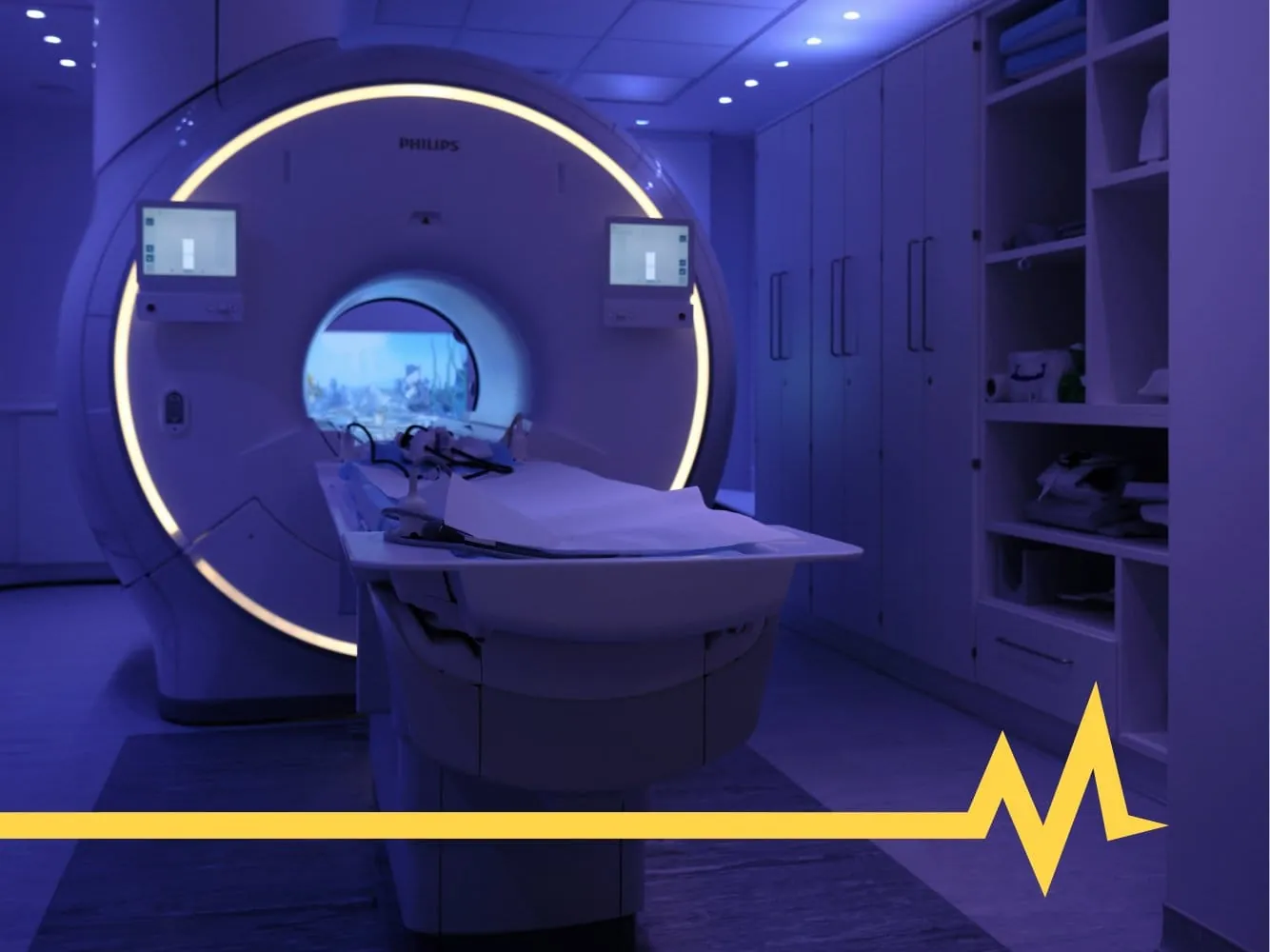
Diagnostics shape the decision. Patients want to know about endoscopy, scans and waiting times. We link to your endoscopy and colonoscopy centres pathway where relevant, and to hepatobiliary and pancreatic surgery for surgical referrals. Advertising follows ASA and CAP Code rules and GMC guidance. Check specifics with your regulator or legal adviser.
Marin BarganFounder
Case Study
Our closest published work in this specialty.
We only show work we have done. This study is the nearest match to this page from our published case studies, with the data source and date range for every figure.
Harley Street · Diagnostics centre
UME Health
Client
Private outpatient and diagnostics centre with dozens of visiting consultants
Specialty
Diagnostic imaging, cardiology, ENT, orthopaedics, gastroenterology and health assessments
Result
Harley Street diagnostics centre SEO: 119 pages in Google's top 10 and average position from 20.0 to 9.9 (Google Search Console, March 2025 to July 2026).
These are search visibility figures, not patient numbers.
How We Help Gastroenterology and Hepatology Clinics Grow
Discover
We map symptoms, referrers and service lines
We review how patients search for gut and liver problems, from bloating and reflux to abnormal liver tests, and which GPs and consultants refer into your service. We compare your pages with nearby independent hospitals and group providers, then check consultant profiles for GMC details and sub-specialty interests.
The output is a ranked list of gaps, split by luminal and hepatology streams.
Build
We build separate gut and liver journeys
Each condition area gets a plain-English page covering symptoms, tests, what a first appointment involves and when to seek urgent help. Consultant profiles state qualifications and interests. We add a GP referral page, a clear route to diagnostics such as endoscopy, and enquiry forms that send gut and liver questions to the right team.
Every claim is checked against CAP Code rules.
Grow
We follow symptom searches through to booked tests
Paid search is built around appointment and test queries, with calm landing pages and no alarmist wording. Local SEO supports each site. Review requests follow completed care. Reporting links each enquiry to a booked consultation or procedure where your systems allow. You see which searches lead to patients and which only produce page views.
Gastroenterology marketing guide
Last updated 1 November 2026
Gastroenterology Advertising Rules: JAG Accreditation, CQC and Symptom Claims
Endoscopy is the service most private gastroenterologists promote, and it carries its own quality mark. The Joint Advisory Group on GI Endoscopy (JAG) accredits endoscopy services against national standards. If the unit where your consultant operates is JAG accredited, say so and link to it; if it is not, do not imply it. Endoscopy units in England must be registered with the CQC for diagnostic and screening procedures, and the location's rating should be displayed online.
Symptom content is the second risk. CAP Code rule 12.2 says marketers must not discourage essential treatment for conditions where medical supervision is needed. Pages about blood in stool, weight loss or difficulty swallowing must advise prompt medical review and avoid implying that a private test is the only safe option. The NHS offers bowel cancer screening to people aged 50 to 74 every two years; acknowledging that programme makes private colonoscopy content more credible, not less.
How Patients Search for a Private Gastroenterologist
Search terms are symptom and test driven, and often anxious:
"private colonoscopy cost" and "gastroscopy without waiting"
"IBS specialist" and "bloating that won't go away"
"acid reflux specialist" and "Barrett's oesophagus surveillance"
"abnormal liver blood test" and "fatty liver consultant"
"coeliac test private" and "calprotectin test"
Reflux content should reflect NICE CG184, which covers investigation and management of reflux and dyspepsia, so your advice matches what GPs will tell the same patient.
What a Gastroenterology Clinic Website Should Publish
Gastroenterology patients are often embarrassed and anxious, so clear logistics reduce friction. Pages should include:
Bowel preparation instructions as a downloadable guide, with a contact for questions.
Sedation options for gastroscopy and colonoscopy, including recovery time and the need for an escort home.
Where procedures take place, with the unit's accreditation and CQC rating stated accurately.
How results and biopsy reports are delivered, and how long histology takes.
Separate symptom guides for reflux, IBS-type symptoms, bleeding and liver results, each with red flag advice.
Fees for consultation, each procedure and common add-ons such as biopsies.
Gastroenterology is also well suited to AI search answers, because patients ask detailed questions about preparation and recovery that a well-structured FAQ can answer directly.
Gastroenterology Pathways: Direct-Access Endoscopy, Consultant Review and Insurers
Private gastroenterology has two buying routes. In a consultant-first pathway, the patient sees a gastroenterologist who decides on tests. In a direct-access pathway, a GP refers straight to endoscopy. Insurers usually require a consultant pathway, while self-pay patients often prefer a bundled consultation and procedure price. Say which you offer, what sedation choices exist and how results reach the GP.
Hepatology deserves its own route. A fatty liver finding or raised liver enzymes on a routine blood test sends a different patient, usually calmer and older, who wants a clear explanation of fibrosis scanning and lifestyle advice before any procedure is mentioned.
Worked Example: A Self-Pay Colonoscopy Pathway
Illustration only, not a client result. Imagine a gastroenterology group with spare endoscopy lists on two afternoons a week.
Write a colonoscopy page covering preparation, sedation choices, what happens on the day, results and fees, with JAG status stated accurately.
Add a separate page for patients with symptoms explaining when to see a GP urgently and when private investigation may help.
Target search ads at "private colonoscopy" with the location and list days in ad extensions, adjusting bids to list availability.
Report booked procedures per list, not just enquiries, so spend tracks capacity.
What Patients and Regulators Expect From Gastroenterology Marketing
Bowel symptoms are a frequent reason people look for a private gastroenterologist, and some need a GP first. The NHS bowel cancer symptoms page lists blood in poo, bleeding from the bottom, a change in bowel habit that is not usual for you, tummy pain, a lump, bloating and weight loss without trying, and says to see a GP if you have any symptoms of bowel cancer. Symptom pages on your site should say this plainly and avoid reassurance.
Screening is part of the picture. The NHS bowel cancer screening page says people aged 50 to 74 are invited every 2 years and that those registered with a GP are mailed a home test kit. Your page can explain how a private endoscopy or consultation differs from screening without discouraging people from taking part.
For inflammatory bowel disease, the NHS Crohn's disease page lists symptoms including diarrhoea, blood or mucus in poo, stomach pain, tiredness and weight loss, and says to ask for an urgent GP appointment or contact NHS 111 if poo is black or dark red, or if there is bloody diarrhoea.
On advertising, CAP Code rule 12.2 sets limits on offering specific advice on, diagnosis of or treatment for conditions that need medical supervision, with the requirement for suitably qualified professional oversight. Pages should therefore describe assessments and procedures, not promise diagnoses online.
For your website, this means listing warning symptoms, explaining screening versus private care and keeping claims educational, which helps patients and referrers but does not guarantee search visibility.
Services That
Make Healthcare Click for Gastroenterology Clinics
Search, web design and paid media for gastroenterology and liver clinics, with symptom-led content, GP referral pages and enquiry tracking through to booked consultations.
Real clinics, consultants and healthcare groups trust us with their growth. Here is what they say about working with the Pulse Digital Health team.
Marin and the team at Pulse Digital Health have been instrumental in supporting Gentle Procedures UK as we establish and grow the brand in the UK market. From the outset, Marin has demonstrated a clear understanding of our vision and has worked collaboratively with us to bring this to life. His approach is proactive, structured, and highly knowledgeable, particularly in areas such as SEO, digital strategy, and brand positioning within healthcare. He communicates clearly, keeps projects moving forward, and consistently provides practical guidance that adds real value. What stands out most is his ability to translate complex digital concepts into clear, actionable steps, making the process straightforward and efficient. The quality of work delivered has been excellent, and we feel confident in the direction and growth of our brand as a result. We would highly recommend Marin and Pulse Digital Health to any healthcare organisation looking to build or scale their digital presence.
I just want to say a massive thank you to Marin and his team at Pulse Digital Health. I've worked with multiple marketing agencies in the past, and I can confidently say that Marin is the most responsive, expert and generally fun person to work with that I have experienced. In particular, he is a complete expert at developing websites that actually work rather than just look pretty. He is also extremely organised in his approach to SEO and it is already getting results. I never have to chase him as he delivers on time, which in itself is a godsend. I look forward to our meetings each time, always interesting, always moving forward, always positive. I have no hesitation in recommending his services. An expert, always on time, fun to work with.
Working with Marin and his team has been a pleasure. Marin took the time to understand our brand, goals, and audience, to help deliver content to bring awareness to our clinic and strengthen trust in our services. Since working with them, we've seen a noticeable increase in overall online visibility. The team's professionalism, creativity, and responsiveness set them apart.
Marin and his team have been fantastic from the start. They completely understand my vision for my professional website and proactively anticipate the next steps to ensure its success. Their professionalism and accuracy are exceptional, and I highly recommend their services.
Marin and Pulse Digital was a pleasure to work with on improving our website's SEO. Marin communicated clearly throughout the process and made everything easy for us to understand. He not only delivered excellent results but also guided us through areas that were well outside our expertise. We're really grateful for his support and the quality of work he provided.
I was first introduced to Pulse Digital in January 2025. What struck me immediately was that Marin was very personable and very knowledgeable and was able to guide us step by step to building our website. Pulse Digital thought about things that, quite honestly, we hadn't thought of. They are clearly a leading expert in this field, and we couldn't have done without them. Our meetings are always fun, and they never let us down. If Marin says he is going to do something, he does it.
Frequently Asked Questions About Healthcare Marketing for Gastroenterology and Hepatology Clinics
Don't hesitate to reach out if you have any questions. Contact us today.
01How do patients search for a private gastroenterologist?
Most begin with a symptom or a test result, such as persistent bloating, reflux, a change in bowel habit or abnormal liver tests. They read about causes, then look for waiting times, fees and who will see them.
Pages that name the consultant, explain the first appointment and state what tests may follow tend to earn enquiries.
02Do GP referrals matter for a private gastroenterology clinic?
Yes. Many patients are referred by a GP, and some insurers expect a referral before authorising a consultation. A short referral page, a named contact for practice managers and a summary of the pathway make referring simple. We build these alongside patient pages and report on which referrers send patients.
03Should gut and liver services have separate pages?
Usually, yes. Patients with reflux or bowel symptoms and patients with abnormal liver tests have different worries and different questions. Separate content tracks and enquiry routing help each group find the right consultant quickly. A shared brand and a shared consultant directory keep the whole service easy to understand.
04How should we write about symptoms without alarming people?
State plainly which symptoms need prompt medical assessment, and avoid language that implies a diagnosis. Pages should explain that a consultant will examine, test and advise, and point urgent or red-flag symptoms to a GP or emergency care.
We write cautiously and recommend your clinical lead signs off every condition page.
05What advertising rules apply to gastroenterology and hepatology?
The ASA and CAP Code cover health and medical claims, the GMC publishes guidance for doctors who advertise, and CQC registration applies to regulated activities. Prescription-only medicines cannot be advertised to the public. Avoid guaranteeing outcomes or cure. Check specifics with your regulator or legal adviser before publishing.
06Can you promote endoscopy and diagnostic services?
Yes, within the same rules. Patients want to know what a procedure involves, how to prepare, what sedation options exist, how long results take and what it costs.
We build clear service pages using consent and aftercare information supplied by your clinical team, and link them to your wider diagnostic pathway.
07How do you report on results?
We track enquiries from search, ads and referrers, then match them to booked consultations and procedures where your systems allow. The aim is cost per booked consultation by source, not clicks.
Results depend on capacity, fees and local competition, so we set realistic expectations in the first audit instead of promising numbers.
08What should a gastroenterology page say about blood in the stool?
It should tell people to see a GP, as the NHS advises for any symptoms of bowel cancer, and to seek urgent help where poo is black or dark red or there is bloody diarrhoea. Avoid reassuring wording.
Your consultant should approve the text, and booking prompts should come after the advice.
09Should a private gastroenterology clinic mention NHS bowel screening?
It helps to. The NHS says people aged 50 to 74 are invited for bowel cancer screening every 2 years, with a home test kit sent by post to those registered with a GP. Explain how a private consultation differs, and avoid suggesting that people skip screening.
Whether you want more enquiries, a fuller diary or more self-pay patients, tell us where you are now. We'll reply with honest next steps on patient acquisition for your specialty.
Thank you
Your inquiry has been received.
We'll be in touch within 48 hours to talk through how to grow your practice.
Cookies
We use Google Analytics to see which pages help visitors. With your permission we also use Microsoft Clarity and advertising tags from Microsoft and OpenAI to measure our ads. Cookie policy
Thanks for booking your free discovery call. A calendar invite and confirmation email are on their way. If you need a different time, use the link in that email.
Before we speak, you might like to look at the results we've published for other private clinics.