
Free SEO report
  1. Home
  2. Colorectal Surgery Clinics

Colorectal Surgery Marketing That Puts Patients at Ease

Colorectal surgery marketing must work for people who delay. Embarrassment keeps many patients searching privately for weeks. We help clinics publish discreet, accurate symptom pages, introduce the consultant team and make the first step feel manageable.

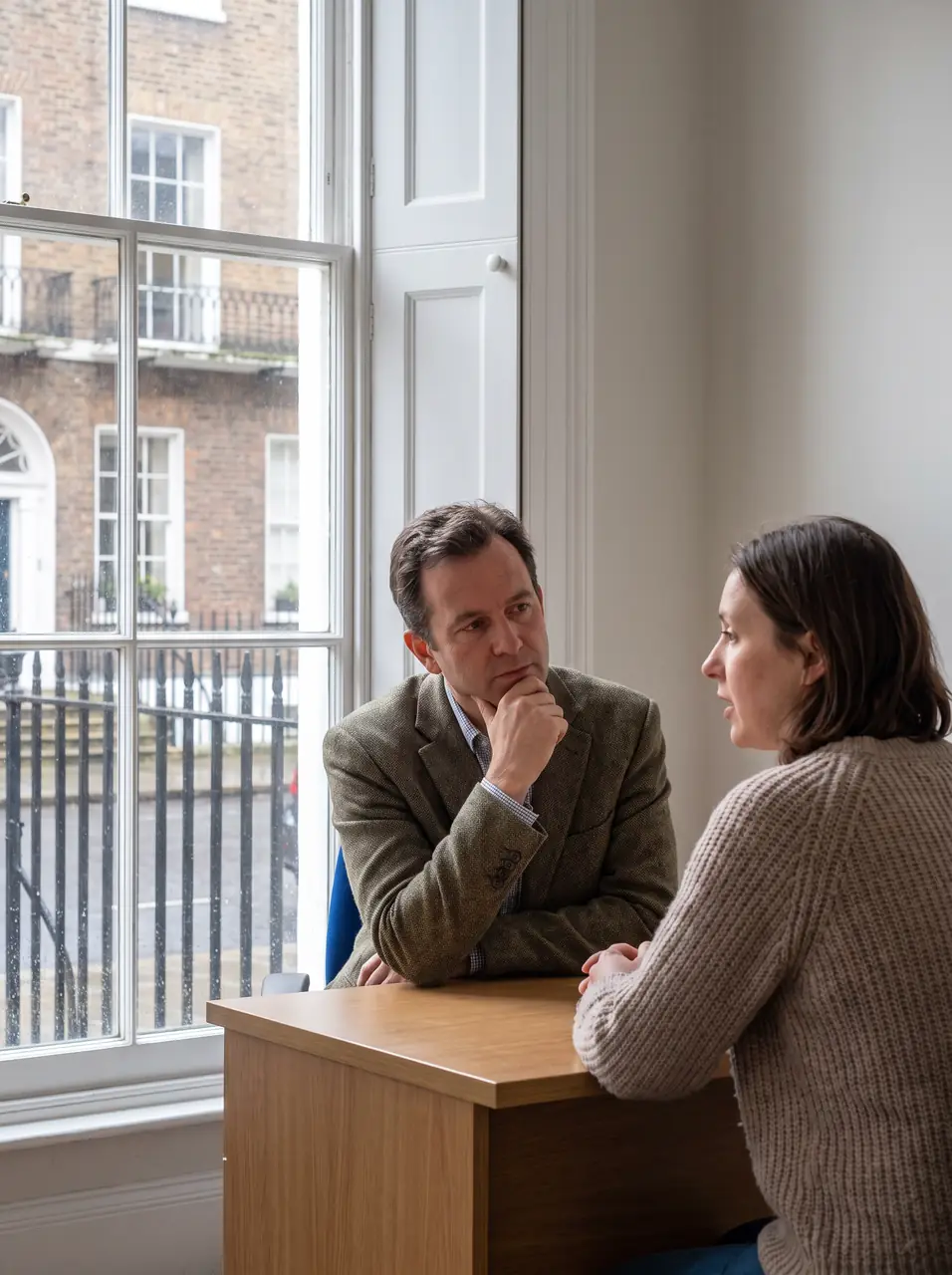
Gastroenterology nurse talking calmly with a patient at a desk, colorectal surgery

Trusted by

  • Dr Carla Perna
  • CheckPoint
  • Dupuytren's UK
  • Gentle Procedures UK
  • Harley Street Audiovestibular Clinic
  • Ergéa Clinics
  • UME Health

About Us

Marketing for Clinics Serving Patients Who Delay Seeking Help

Pulse Digital Health works only in healthcare. Colorectal patients often search late at night, on a phone, using plain words for symptoms they have not told anyone about. Your pages must be easy to read privately, calm in tone and clear that new or persistent symptoms should be checked, never self-managed. Related work on endoscopy and colonoscopy centres shows the diagnostic side of the same journey.

Referrals flow from GPs, gastroenterologists and insurers, and self-pay patients bring a different question: what will the first consultation involve, and what will it cost? We describe the consultation, possible tests and consultant specialisms openly, with surgeon names, GMC details and training visible. Procedure pages stay factual, with no graphic imagery.

Advertising must avoid fear and avoid false reassurance. The ASA and CAP Code apply to health claims, the GMC publishes guidance for doctors, and CQC registration covers regulated activities. Check specifics with your regulator or legal adviser.

Marin Bargan, founder of Pulse Digital Health
Marin BarganFounder

Case Studies

Our published case studies.

We have not published a case study in this specialty yet, so we do not show one here. Our published studies cover diagnostics, health assessments, oncology, audiovestibular medicine, men's health and specialist radiotherapy, each with its data source and date range.

Ask us on a free strategy call how the same approach would apply to your clinic.

Browse our healthcare marketing case studies

How We Help

How We Help Colorectal Surgeons Reach Patients With Embarrassing Symptoms

We find the questions patients hesitate to ask

Discover

We find the questions patients hesitate to ask

We study how patients phrase symptoms and procedures online, which consultants are visible locally, and how GPs and gastroenterologists refer. We review your current pages for tone, accuracy and calls to action. A key check is whether the site encourages people with worrying symptoms to seek assessment promptly, rather than hinting at home remedies.

Typical outputs include symptom-language research, consultant visibility review, referrer mapping, tone and safety review.

We build discreet, factual pages

Build

We build discreet, factual pages

The website gets clear pages for common conditions and procedures, written with clinical sign-off, plus a first consultation guide, investigation overview and consultant profiles. Booking works privately by phone, form or message. We add insurer guidance and a referral page for GPs. Imagery is neutral and respectful, with no explicit visuals.

Typical outputs include condition and procedure pages, consultation guide, private booking options, GP referral page.

We help the right patients take the first step

Grow

We help the right patients take the first step

Search campaigns focus on assessment and consultation, with careful wording that avoids alarm. Local listings highlight consultant names and sites. We encourage reviews that respect patient privacy and never reveal clinical detail. Reporting tracks consultations booked by source and by insurer or self-pay status, so you see where capacity is best used.

Typical outputs include consultation-focused search, listing optimisation, privacy-aware review requests, insurer and self-pay reporting.

Colorectal surgeon marketing guide

Last updated 1 November 2026

Colorectal Surgery Marketing Rules: NICE NG12, Bowel Screening and CQC

Colorectal surgeons treat conditions people delay mentioning, from piles and fissures to bowel cancer. NICE NG12 sets out which bowel symptoms should trigger urgent referral for suspected cancer, and NHS bowel cancer screening offers home testing kits to eligible age groups. Copy about rectal bleeding or a change in bowel habit should point to those routes, not suggest that a private appointment replaces them.

Surgeons are on the GMC Specialist Register, and many are members of the Association of Coloproctology of Great Britain and Ireland. Procedures need CQC surgical registration, and endoscopy units may hold JAG accreditation. Under CAP Code rule 12.1, claims of painless or scar-free surgery must be proven, and outcome numbers need a checkable source.

How Patients Search for a Colorectal Surgeon

Searches are often private and specific:

  • "piles treatment private" and "haemorrhoid banding cost"
  • "anal fissure won't heal"
  • "blood when wiping should I worry"
  • "pilonidal sinus surgery"
  • "hernia or bowel surgeon near me"

Discreet language, a fast booking form and an option to request a female surgeon where available can make the difference.

What a Colorectal Surgery Website Should Publish

Patients look for:

  • Condition pages for piles, fissures, fistula, pilonidal sinus, hernia and bowel cancer.
  • Procedure options with recovery times and what is done in clinic versus theatre.
  • Package prices for common procedures, with exclusions.
  • When symptoms need urgent NHS referral.
  • Surgeon profiles with sub-specialty interests and hospitals.
  • A discreet booking route that does not require describing symptoms on the phone.

Our endoscopy and colonoscopy marketing page covers the diagnostic step many colorectal patients need first.

Patients often want to know whether a procedure can be done in clinic or needs theatre, and whether they will need time off work, so put both on every procedure page.

Writing About Embarrassing Symptoms With Clinical Clarity

Colorectal patients often delay seeking help because of embarrassment, so the website's tone can affect how soon they book. Plain anatomical language, without euphemism or jokes, reassures people that the team has heard it all before.

Useful content for colorectal clinics includes:

  • A symptom guide explaining which changes need prompt review and which can usually wait.
  • What happens at a first appointment, including whether an examination is needed and how privacy is protected.
  • Clear descriptions of clinic procedures, such as banding, and theatre procedures, with recovery times.
  • Pelvic floor and bowel control information, which many patients are too embarrassed to ask about.

Female patients with bowel or pelvic floor problems may prefer a female surgeon or specialist nurse, so showing who is available helps. Links to NHS bowel cancer screening and to the Association of Coloproctology show that the clinic is part of the wider system, not a substitute for it.

GP Referral, Insurance and Self-Pay Routes Into Colorectal Surgery

Insured patients usually need a GP referral and authorisation; self-pay patients often want rapid assessment of bleeding or pain. GPs, gastroenterologists and endoscopists are the main professional referrers, so a clear referral page and same-week clinic slots are valuable.

Worked Example: A Discreet Haemorrhoid Treatment Page

Illustration only, not a client result. Picture a colorectal surgeon who wants more self-pay piles and fissure cases.

  1. Write separate pages for piles and fissures with plain explanations, options and prices.
  2. Add a symptom-free online booking form and a callback option.
  3. Include clear advice that bleeding should be assessed and when to use NHS urgent routes.
  4. Track bookings and conversion to treatment each month.

A plan like this is quoted after a free strategy call; see how our healthcare marketing pricing works.

What Patients and Regulators Expect From Colorectal Surgery Marketing

Patients often delay seeking help with bowel symptoms, so the NHS routes matter as much as private ones. The NHS bowel cancer screening page says screening is offered to people aged 50 to 74 every 2 years, that it uses a home test called a faecal immunochemical test (FIT) to look for blood in a stool sample, and that you will usually get the result within 2 weeks of sending the sample.

The same page says screening does not stop someone getting bowel cancer, but it is a way to find cancer at an early stage. It also tells people who think they are eligible but have not been invited, or have not had their kit, to call the bowel cancer screening helpline on 0800 707 6060. A colorectal surgery page should point people to that route rather than suggest that a private test replaces it.

The screening page also says that taking part is your choice. That is a useful reminder that a surgical service page should never present a private test as something people must have before they see a doctor.

Symptom questions deserve the same care. A page for a surgical service should say that people with new or changing bowel symptoms should contact their GP, and should avoid wording that could reassure someone who needs an appointment.

In practice, colorectal pages should direct people with concerns to their GP and the NHS screening routes first, describe the surgical pathway in general terms, and be checked by a consultant before publication. That serves patients and fits the rules, but it does not guarantee search visibility.

Services That

Make Healthcare Click for Colorectal Surgery Clinics

Digital marketing for colorectal surgery clinics: discreet symptom and procedure pages, consultant profiles, insurer information and local search that supports confident first contact.

Our Clients Are Our Pride

Trusted by UK private clinics and consultants

Real clinics, consultants and healthcare groups trust us with their growth. Here is what they say about working with the Pulse Digital Health team.

Colorectal Surgery Clinics Marketing FAQs

Frequently Asked Questions About Healthcare Marketing for Colorectal Surgery Clinics

Don't hesitate to reach out if you have any questions. Contact us today.

  1. Why is colorectal marketing different from other surgical specialties?

    Because many patients feel embarrassed and delay. They use search privately and look for reassurance that the clinic is discreet and professional. Clear language, named consultants and a calm first-consultation page matter more than promotional messaging. We build with that in mind.

    Mobile loading speed and a discreet look also matter, since much of this research happens on phones.

  2. How should we handle symptom information?

    Describe symptoms factually and state that new or persistent changes should be assessed by a doctor. Avoid suggesting that a page can substitute for diagnosis. Your consultants should approve every page, and we link to authoritative sources where useful rather than implying we offer medical advice.

  3. Can we advertise specific procedures?

    Yes, subject to ASA and CAP Code rules and GMC guidance. Keep descriptions accurate, avoid outcome guarantees and avoid inducements to book surgery. Prescription-only medicines cannot be advertised to the public under MHRA rules. Check specifics with your regulator or legal adviser.

    Have your clinical lead confirm that procedure descriptions match what each consultant actually offers.

  4. Do GPs and gastroenterologists matter for marketing?

    Yes. Many private patients arrive via referral, so a page for referrers that lists consultants, procedures, waiting times and contact routes supports that flow. We also help you present your relationship with endoscopy services where it applies, without implying endorsement.

    Introducing the consultants personally, with short videos if they are comfortable, can also ease referrer and patient concerns.

  5. How do we speak to insurers and self-pay patients on one site?

    Use separate sections: one that explains how to check cover and authorisation, one that explains self-pay consultation and procedure fees. Be clear about what is included. Patients value transparent pricing, and it reduces enquiries that stall at cost.

    Give each route its own contact method, so enquiries reach the right administrator first time and wait less.

  6. What is a sensible tracking setup for sensitive conditions?

    Minimal. We avoid recording sensitive form content, configure consent properly and avoid audience building from condition page visits. Reports show enquiries and bookings, not individuals. Your data protection officer should review the configuration.

    Reports show enquiries and bookings only, never named individuals or the symptoms behind them, and raw form data stays out of analytics.

  7. Should a colorectal surgery clinic mention NHS bowel screening?

    Yes, where it helps patients understand their options. The NHS says bowel cancer screening is offered to people aged 50 to 74 every 2 years, and that taking part is their choice.

    A clinic page can point people to the NHS screening helpline and to their GP for routine questions, and describe its own surgical pathway without suggesting that private testing replaces NHS screening. Ask the surgical team to check the wording.

Accelerate your clinic's growth.

Get a free website SEO report